Robert Nichols – författare
919 kr
Skickas inom 10-15 vardagar
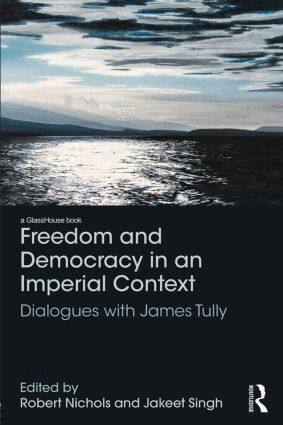
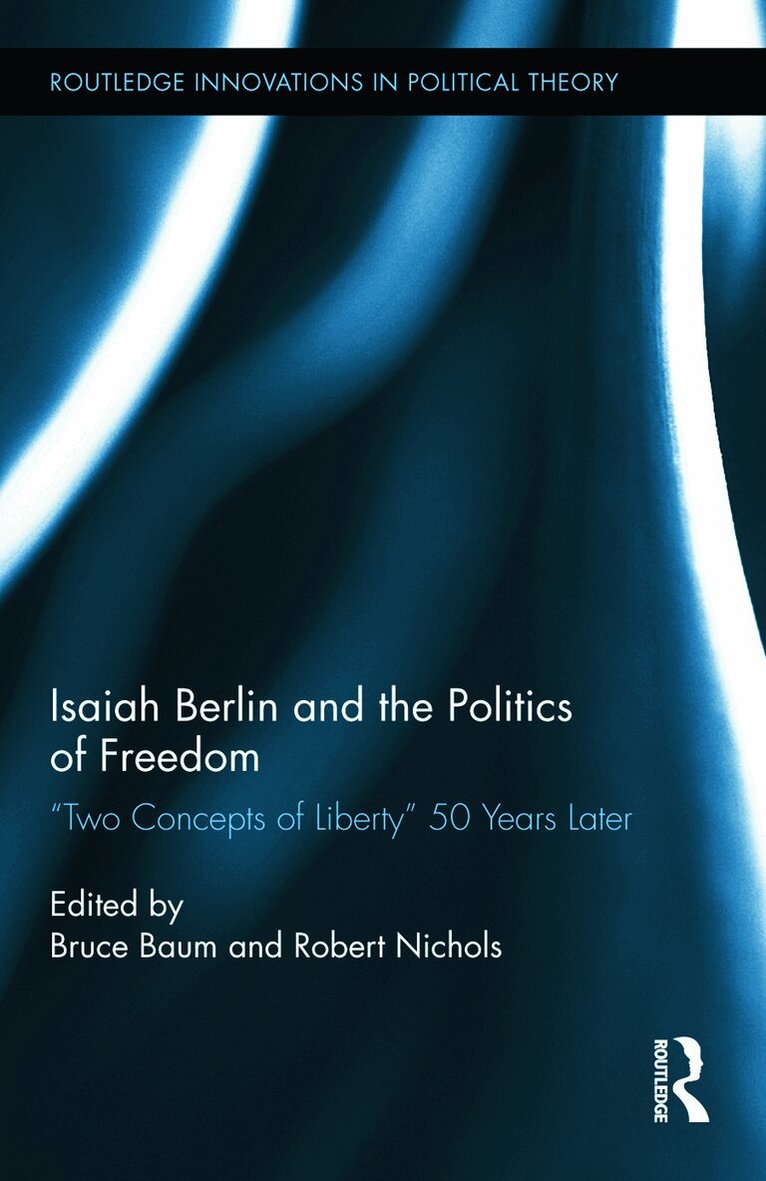
Isaiah Berlin and the Politics of Freedom
‘Two Concepts of Liberty’ 50 Years Later
2 193 kr
Skickas inom 10-15 vardagar
2 193 kr
Skickas inom 10-15 vardagar
385 kr
Skickas inom 10-15 vardagar
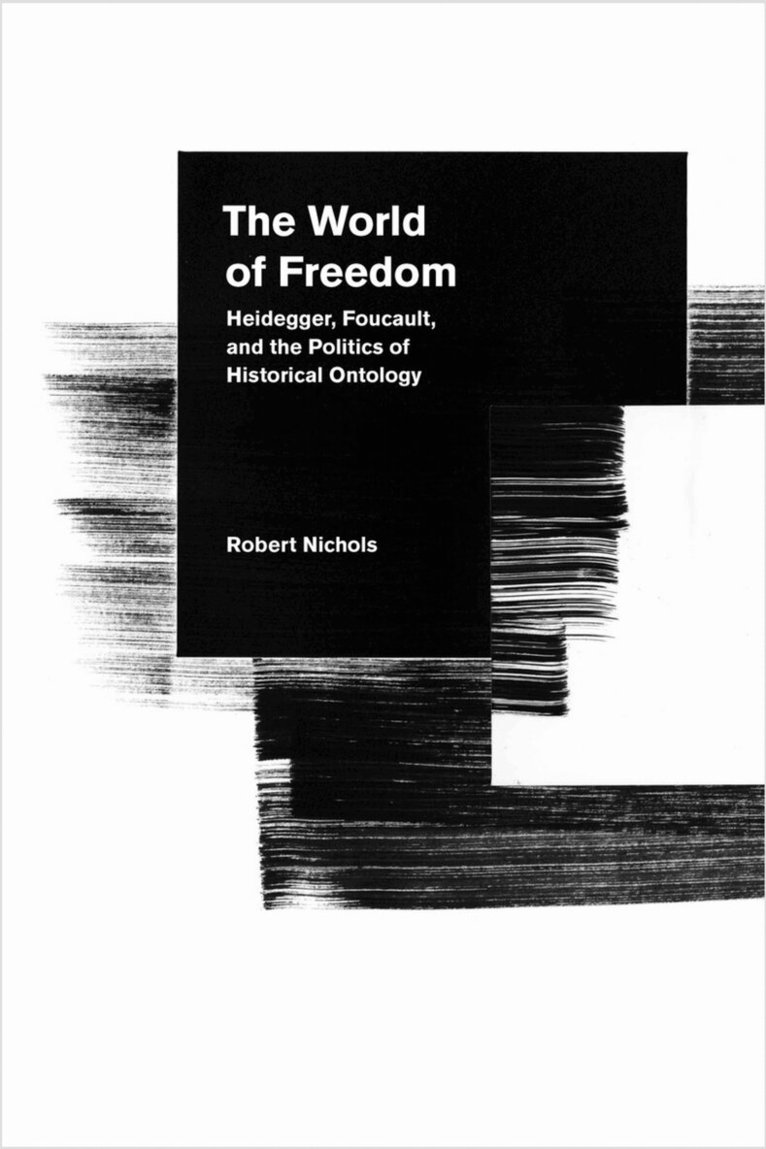
World of Freedom
Heidegger, Foucault, and the Politics of Historical Ontology
1 491 kr
Skickas inom 5-8 vardagar
370 kr
Skickas inom 10-15 vardagar
219 kr
Skickas inom 3-6 vardagar
182 kr
Skickas inom 3-6 vardagar
215 kr
Skickas inom 3-6 vardagar
228 kr
Skickas inom 3-6 vardagar
203 kr
Skickas inom 3-6 vardagar
240 kr
Skickas inom 3-6 vardagar
419 kr
Skickas inom 5-8 vardagar
264 kr
Skickas inom 5-8 vardagar
231 kr
Skickas inom 5-8 vardagar
400 kr
Skickas inom 5-8 vardagar
404 kr
Skickas inom 5-8 vardagar
233 kr
Skickas inom 5-8 vardagar
616 kr
Skickas inom 3-6 vardagar
459 kr
Skickas inom 3-6 vardagar
388 kr
Skickas inom 5-8 vardagar
218 kr
Skickas inom 5-8 vardagar
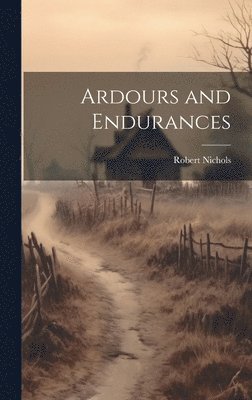
Ardours and Endurances
Also, A Faun's Holiday & Poems and Phantasies (Cram Edition)
295 kr
Skickas inom 5-8 vardagar
Isaiah Berlin and the Politics of Freedom
‘Two Concepts of Liberty’ 50 Years Later
622 kr
Skickas inom 10-15 vardagar
731 kr
Skickas inom 10-15 vardagar
1 126 kr
Skickas inom 5-8 vardagar
276 kr
Skickas
304 kr
Kommande
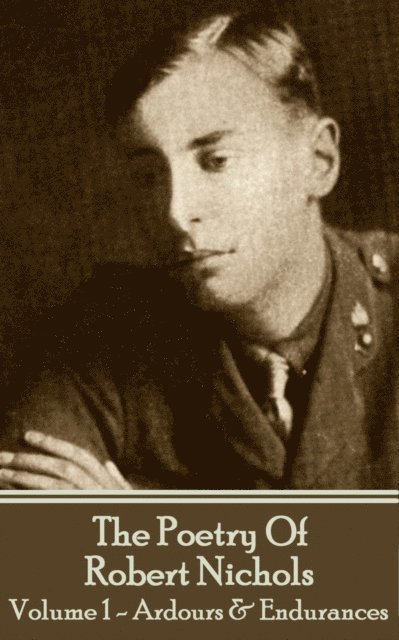
The Poetry Of Robert Nichols - Volume 1: Ardours & Endurances
Ardours & Endurances
218 kr
Skickas inom 3-6 vardagar
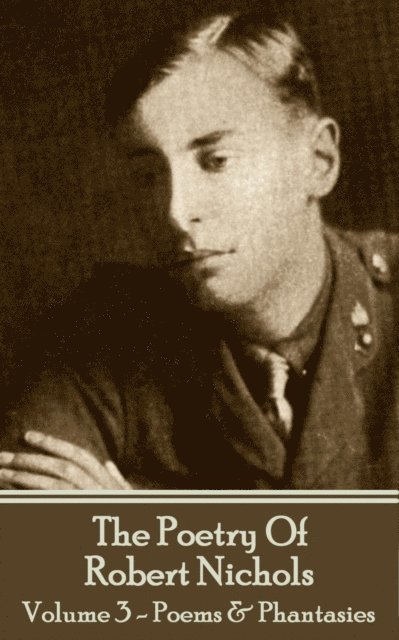
Robert Malise Bowyer Nichols was born in September 1893. Robert was educated at Winchester College and then Trinity College, Oxford. In September 1914 with the shadow of the Great War covering Europe he enlisted, despite poor health, with the Field Artillery. He trained for a year and reached the front line just before the beginning of the Battle of Loos in September 1915. He was also to serve at the Battle of the Somme as an artillery officer in 1916, after suffering from shell shock he was invalided back to England. Taking up service with The British Ministry of Labour and the Ministry of Information he began to write more avidly. As one of the War’s surviving poets he was able to also give his work a depth and reflection that many of his other fallen contemporaries were not able too. He also began to give readings of his poems as well as tours in America. Robert also wrote four plays and two novels as well as several further volumes of poetry. Now rightly regarded as one of the pre-eminent War Poets his poetry is richly rewarding, filled with vivid descriptions and emotions of the human suffering during war. It’s end brought him together with Nancy Cunard who was the inspiration for his next book Aurelia (1920). He was in Tokyo from 1921 to 1924 teaching English Literature and from 1924 to 1926 Hollywood beckoned. In 1928 his play, Wings Over Europe, foretelling the splitting of the atom was a success in New York. In 1933-4 he was in Austria and Germany, his long weekly letters to Henry Head, the neurologist under whose care he had been for shell-shock, give a graphic eye-witness account of the rise of Hitler. By the end of the 1930’s he was living in the South of France, his emotional and financial affairs in turmoil. With occupation of France by German and Vichy forces he was on the last ship to carry British refugees from the Cote d’Azur. Robert Nichols died on December 17th 1944. He is buried at St Mary''s, in Lawford, Essex. Here we publish ‘Ardours & Endurances’ together with some of his other of his remarkable war poems.
218 kr
Skickas inom 3-6 vardagar
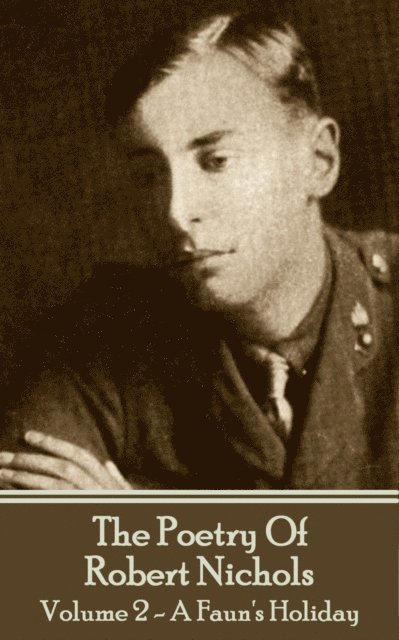
Robert Malise Bowyer Nichols was born in September 1893. Robert was educated at Winchester College and then Trinity College, Oxford. In September 1914 with the shadow of the Great War covering Europe he enlisted, despite poor health, with the Field Artillery. He trained for a year and reached the front line just before the beginning of the Battle of Loos in September 1915. He was also to serve at the Battle of the Somme as an artillery officer in 1916, after suffering from shell shock he was invalided back to England. Taking up service with The British Ministry of Labour and the Ministry of Information he began to write more avidly. As one of the War’s surviving poets he was able to also give his work a depth and reflection that many of his other fallen contemporaries were not able too. He also began to give readings of his poems as well as tours in America. Robert also wrote four plays and two novels as well as several further volumes of poetry. Now rightly regarded as one of the pre-eminent War Poets his poetry is richly rewarding, filled with vivid descriptions and emotions of the human suffering during war. It’s end brought him together with Nancy Cunard who was the inspiration for his next book Aurelia (1920). He was in Tokyo from 1921 to 1924 teaching English Literature and from 1924 to 1926 Hollywood beckoned. In 1928 his play, Wings Over Europe, foretelling the splitting of the atom was a success in New York. In 1933-4 he was in Austria and Germany, his long weekly letters to Henry Head, the neurologist under whose care he had been for shell-shock, give a graphic eye-witness account of the rise of Hitler. By the end of the 1930’s he was living in the South of France, his emotional and financial affairs in turmoil. With occupation of France by German and Vichy forces he was on the last ship to carry British refugees from the Cote d’Azur. Robert Nichols died on December 17th 1944. He is buried at St Mary''s, in Lawford, Essex. Here we publish ‘A Faun’s Holiday’.