Robert Pavlis – författare
295 kr
Skickas inom 3-6 vardagar
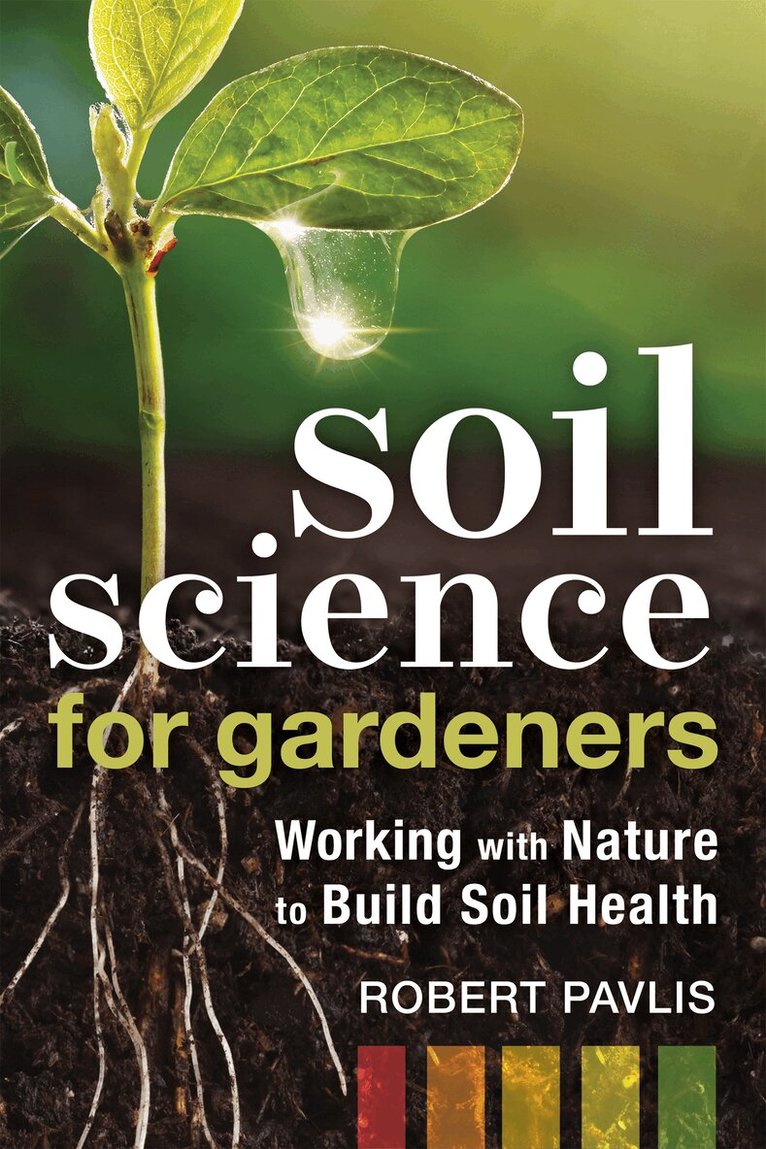
Soil Science for Gardeners
Working with Nature to Build Soil Health
200 kr
Skickas inom 5-8 vardagar
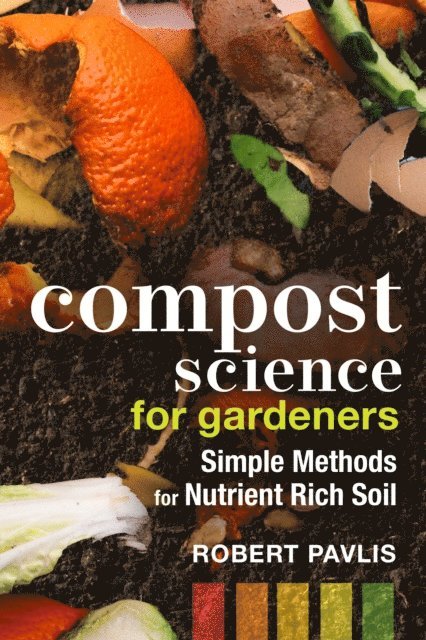
Compost Science for Gardeners
Simple Methods for Nutrient-Rich Soil
286 kr
Skickas inom 3-6 vardagar
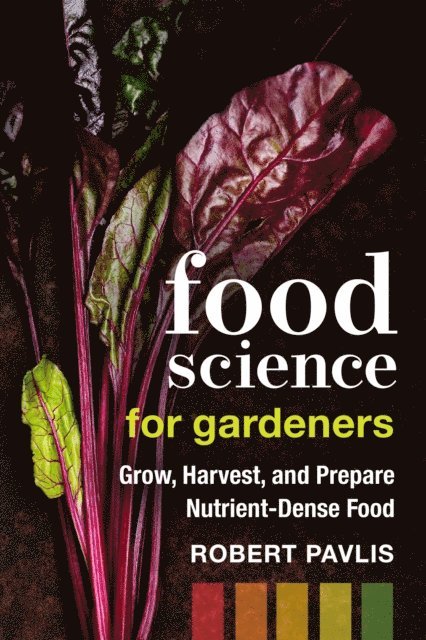
Food Science for Gardeners
Grow, Harvest, and Prepare Nutrient Dense Foods
205 kr
Skickas inom 5-8 vardagar
320 kr
Läs direkt efter köp
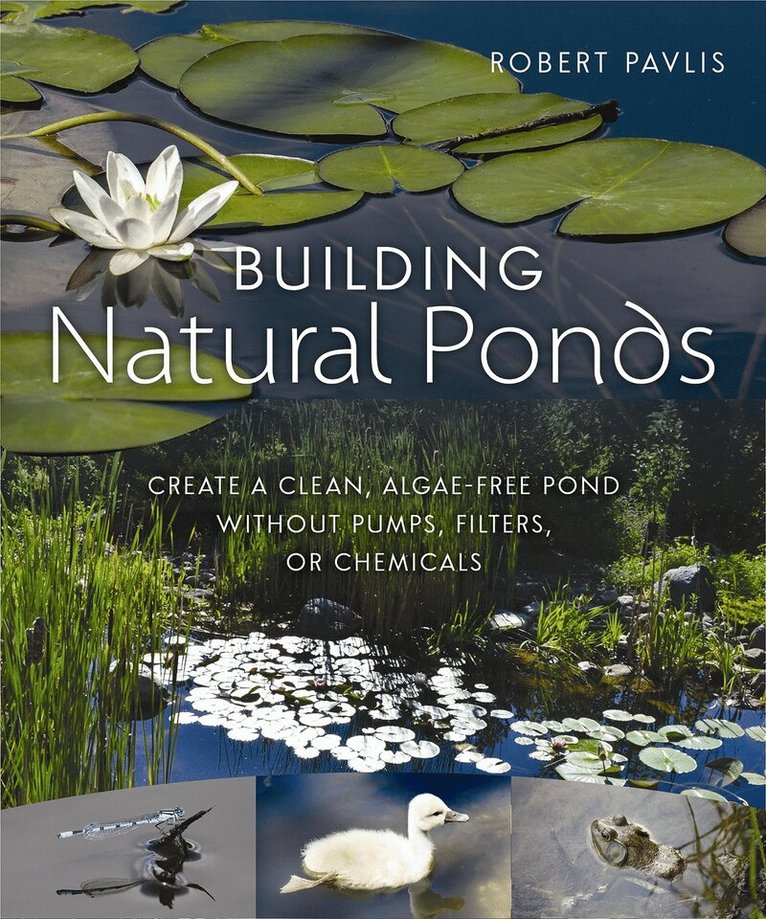
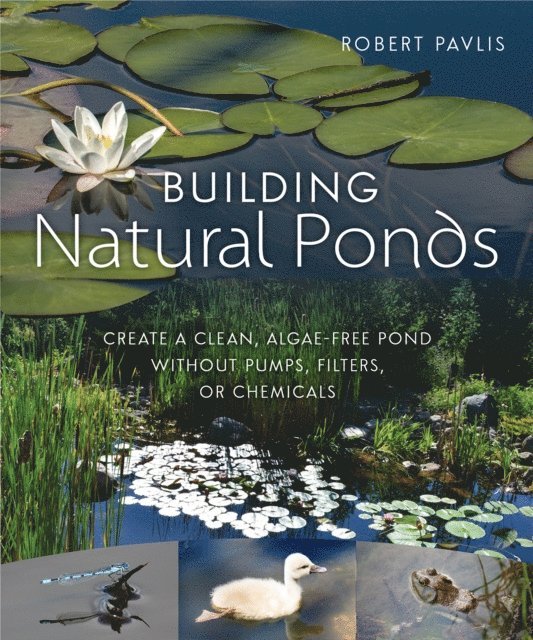
Build a natural pond for wildlife, beauty, and quiet contemplation
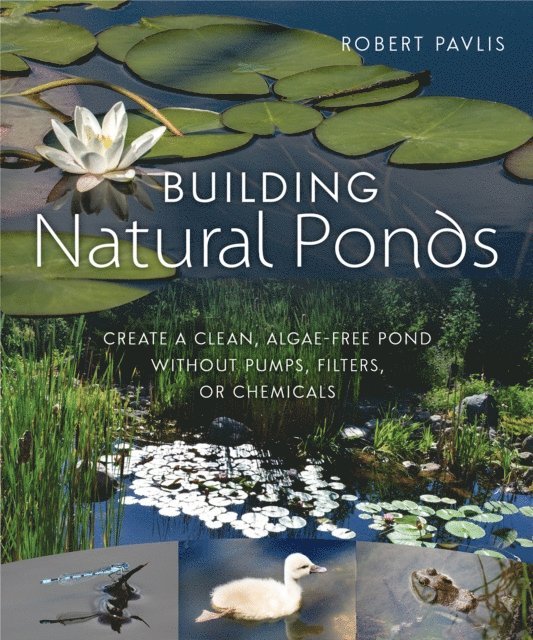
Typical backyard ponds are a complicated mess of pipes, pumps, filters, and nasty chemicals designed to adjust pH and keep algae at bay. Hardly the bucolic, natural ecosystem beloved by dragonflies, frogs, and songbirds.
The antidote is a natural pond, free of hassle, cost, and complexity and designed as a fully functional ecosystem, ideal for biodiversity, swimming, irrigation, and quiet contemplation.
Building Natural Ponds is the first step-by-step guide to designing and building natural ponds that use no pumps, filters, chemicals, or electricity and mimic native ponds in both aesthetics and functionality. Highly illustrated with how-to drawings and photographs, coverage includes:
Understanding pond ecosystems and natural algae control Planning, design, siting, and pond aesthetics Step-by-step guidance for construction, plants and fish, and maintenance and trouble shooting Scaling up to large ponds, pools, bogs, and rain gardens.Whether you''re a backyard gardener looking to add a small serene natural water feature or a homesteader with visions of a large pond for fish, swimming, and irrigation, Building Natural Ponds is the complete guide to building ponds in tune with nature, where plants, insects, and amphibians thrive in blissful serenity.
Robert Pavlis , a Master Gardener with over 40 years of gardening experience, is owner and developer of Aspen Grove Gardens, a six-acre botanical garden featuring over 2,500 varieties of plants. A well-respected speaker and teacher, Robert has published articles in Mother Earth News , Ontario Gardening magazine, the widely read blog GardenMyths.com, which explodes common gardening myths and gardening information site GardenFundamentals.com.
286 kr
Läs direkt efter köp
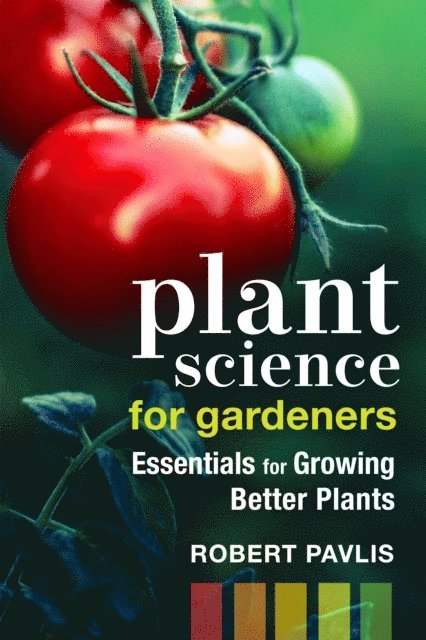
A little plant science grows a long way
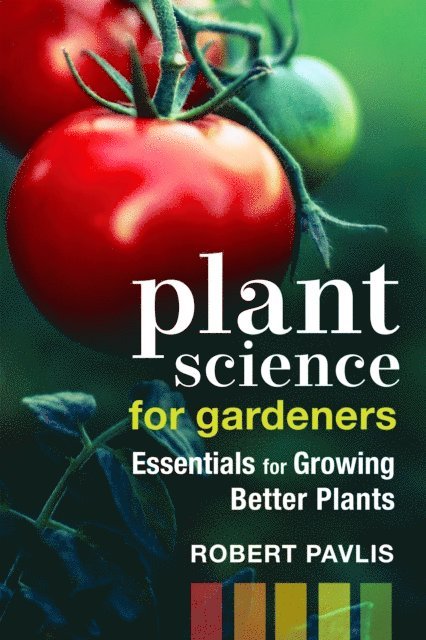
Plant Science for Gardeners empowers growers to analyze common problems, find solutions, and make better decisions in the garden for optimal plant health and productivity.
Most gardeners learn by accumulating rules – water once a week, never dry out snowdrop bulbs, prune lilacs after flowering, plant garlic in October—the list is endless.
Rules take years to learn and yet leave you floundering when the unexpected strikes and plants look unhealthy, produce poorly, or die.
There is a better way.
By understanding the basic biology of how plants grow, you can become a thinking gardener with the confidence to problem solve for optimized plant health and productivity. Learn the science and ditch the rules! Coverage includes:
The biology of roots, stems, leaves, and flowersUnderstanding how plants function as whole organismsThe role of nutrients and inputsVegetables, flowers, grasses, and trees and shrubsPropagation and geneticsSidebars that explode common gardening mythsTips for evaluating plant problems and finding solutions.Whether you''re a home gardener, micro-farmer, market gardener, or homesteader, this entertaining and accessible guide shortens the learning curve and gives you the knowledge to succeed no matter where you live.
AWARDS
SILVER (tie) | 2023 IPPY Awards: Science310 kr
Läs direkt efter köp
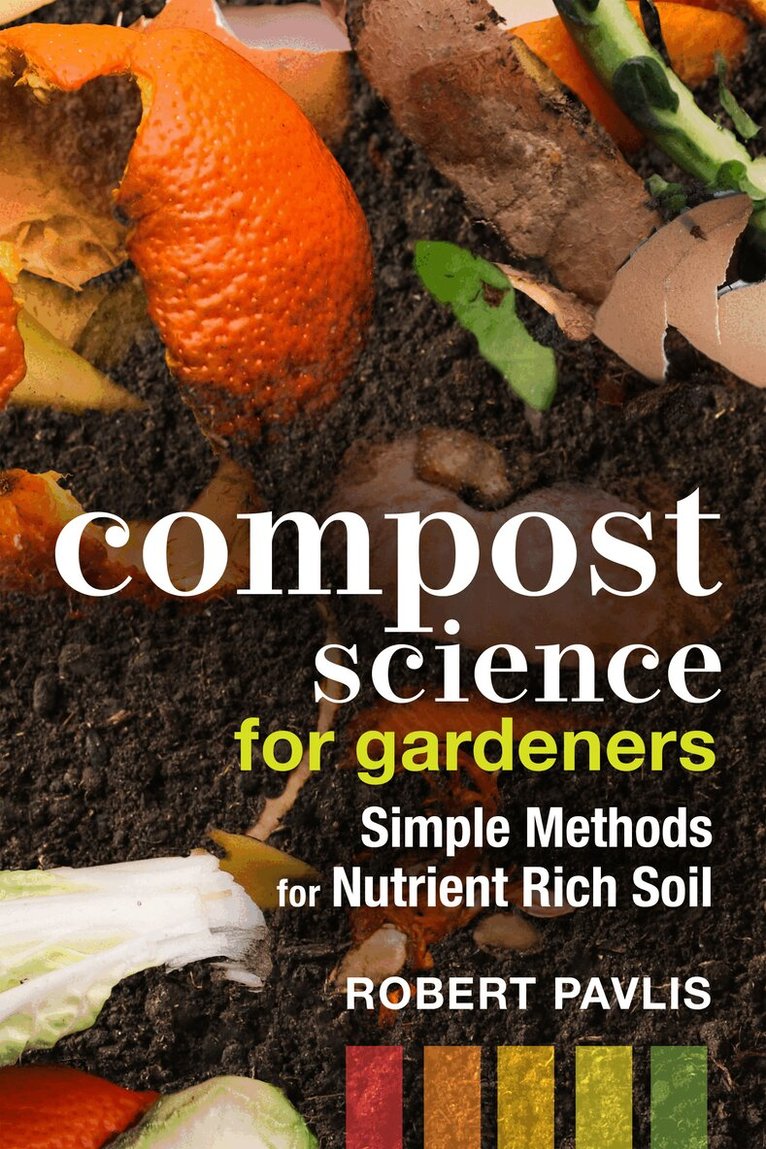
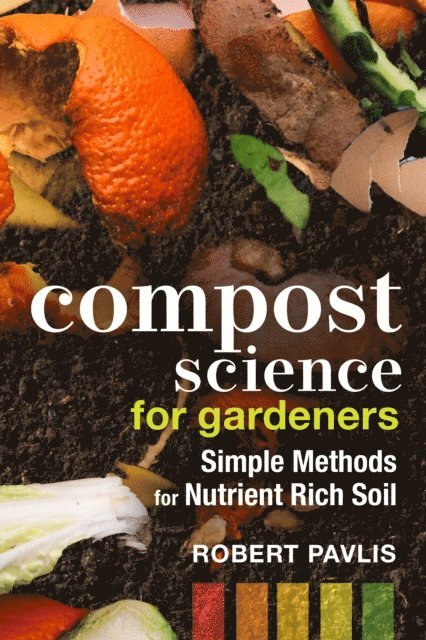
Create your own compost and grow better plants.
With breathtaking clarity, Compost Science for Gardeners demystifies composting practices and helps readers determine the best technique for their unique situation. This comprehensive science-based book is your key to building healthier soil and growing better plants.
Using plain language and easy-to-follow instructions, this essential resource distills and blends the latest scientific research with the author''s many decades of knowledge and experience into manageable form, debunking a host of common gardening myths along the way. Learn about:
The role of composting in the ecological cycleCompostable materials to incorporate and those to avoidBrowns and greens vs the carbon-to-nitrogen ratioThe full range of composting methods, including cold and hot composting; composting in piles, bins, and tumblers; and pit and trench compostingKeyhole gardening, food digesters, vermicomposting, bokashi, eco-enzyme fermentation, and moreThe relative merits and impact on the environment of each composting techniqueUsing finished compost to improve soil healthAnyone can compost. Whether you are a balcony or backyard gardener, market gardener, small-scale farmer, or homesteader, or even if you are simply looking for a way to keep organic matter out of the landfill, this book will show you how to do it simply, safely, and sensibly.
286 kr
Läs direkt efter köp
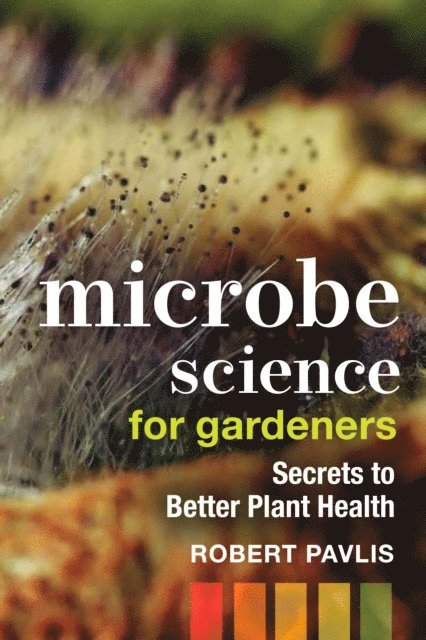
Useful and practical gardening advice. –Jeff Lowenfels, author, the Teaming Series and DIY Autoflowering Cannabis
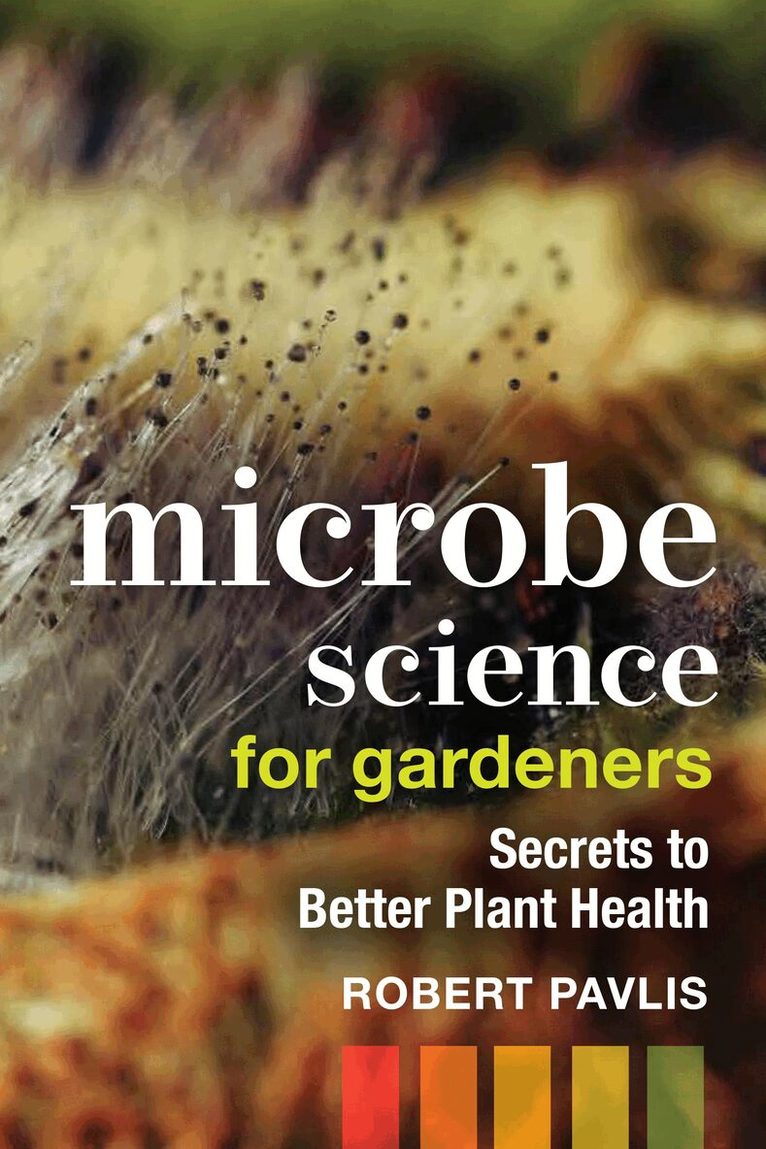
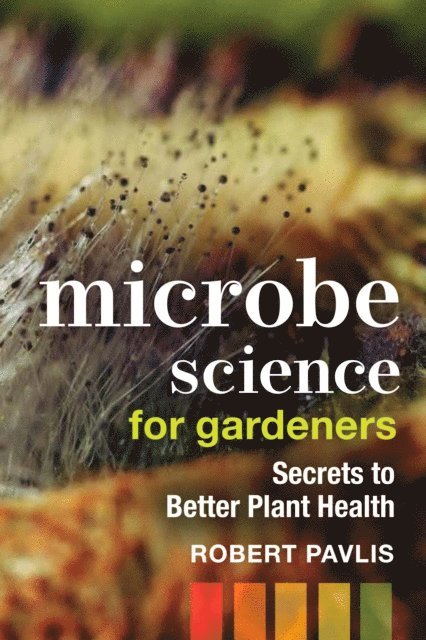
Microscopic organisms are as important to plant growth as water and light. Microbe Science for Gardeners highlights the essential role of microbes in plant biosystems and soil health, providing practical how-to gardening advice for enhancing plant microbiomes, and debunking common gardening myths.
Going beyond soil biology to examine the crucial role of microorganisms in cultivating a productive garden, this accessible guide covers:
The interrelationships in microbe populations and between microbes and plantsUnderstanding microbes such as bacteria, yeast, mycorrhizal fungi, and protozoa, both in the rhizosphere and above groundHow common practices such as tilling, crop rotation, and mulching affect the microbe communityHow the savvy gardener can encourage beneficial microorganisms while discouraging those that cause disease or other undesirable effectsAn objective analysis of popularized practices such as controlling fungal-to- bacterial ratios and applying biostimulants, compost tea, or plant probioticsPrevention and cures for dozens of bacterial, viral, and fungal plant diseases.Whether you''re a home gardener, market gardener, or micro-farmer, Microbe Science for Gardeners will help you leverage the incredible power of the mighty microbe to grow healthy, strong, thriving plants.
303 kr
Läs direkt efter köp
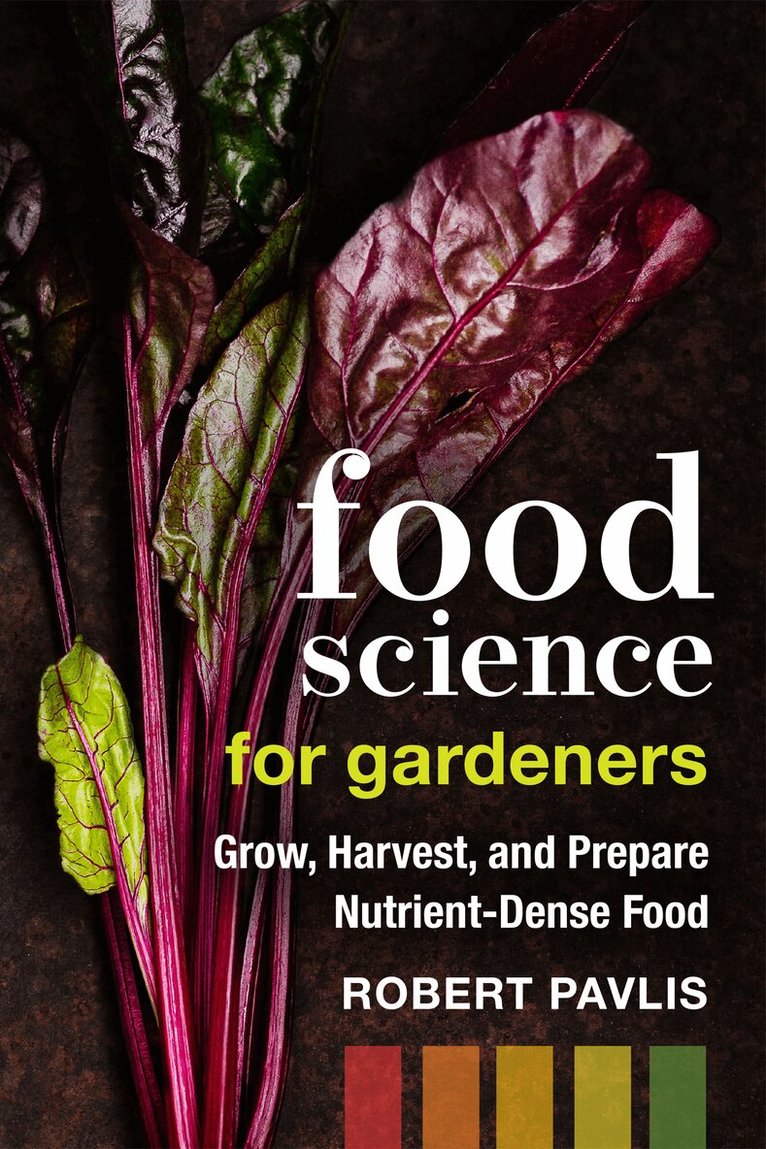
Everyone''s guide to using the power of science to produce healthier and tastier fruits and vegetables
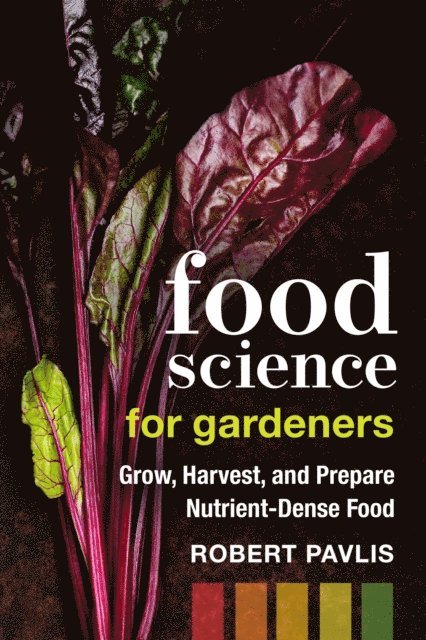
From garden to fork, Food Science for Gardeners is everyone''s guide to optimizing the quality of garden produce and preparing the most delicious and nutritious food possible.
Beginning with a high-level overview of food quality and nutrient density, this invaluable resource then takes a deep, but accessible, dive into:
The essential nutrient groups as well as phytonutrients and their anti-oxidant propertiesFactors affecting food safety such as pesticides, microplastics, bacteria, and other forms of chemical and biological contaminationThe pros and cons of a host of approaches to food storage and preservation, as well as an extensive variety of cooking methodsGardening techniques for growing nutritious foodA complete section dedicated to the best growing methods for common fruits and vegetables.Whether you''re a home gardener, local food enthusiast, or small-scale farmer, Food Science for Gardeners demystifies the science of food, enabling you to put the best quality vegetables and fruits on your plate.
AWARDS
WINNER | 2025 International Book Awards: Home & Garden320 kr
Läs direkt efter köp
Build a natural pond for wildlife, beauty, and quiet contemplation
Typical backyard ponds are a complicated mess of pipes, pumps, filters, and nasty chemicals designed to adjust pH and keep algae at bay. Hardly the bucolic, natural ecosystem beloved by dragonflies, frogs, and songbirds.
The antidote is a natural pond, free of hassle, cost, and complexity and designed as a fully functional ecosystem, ideal for biodiversity, swimming, irrigation, and quiet contemplation.
Building Natural Ponds is the first step-by-step guide to designing and building natural ponds that use no pumps, filters, chemicals, or electricity and mimic native ponds in both aesthetics and functionality. Highly illustrated with how-to drawings and photographs, coverage includes:
Understanding pond ecosystems and natural algae control Planning, design, siting, and pond aesthetics Step-by-step guidance for construction, plants and fish, and maintenance and trouble shooting Scaling up to large ponds, pools, bogs, and rain gardens.Whether you''re a backyard gardener looking to add a small serene natural water feature or a homesteader with visions of a large pond for fish, swimming, and irrigation, Building Natural Ponds is the complete guide to building ponds in tune with nature, where plants, insects, and amphibians thrive in blissful serenity.
Robert Pavlis , a Master Gardener with over 40 years of gardening experience, is owner and developer of Aspen Grove Gardens, a six-acre botanical garden featuring over 2,500 varieties of plants. A well-respected speaker and teacher, Robert has published articles in Mother Earth News , Ontario Gardening magazine, the widely read blog GardenMyths.com, which explodes common gardening myths and gardening information site GardenFundamentals.com.
286 kr
Läs direkt efter köp
A little plant science grows a long way
Plant Science for Gardeners empowers growers to analyze common problems, find solutions, and make better decisions in the garden for optimal plant health and productivity.
Most gardeners learn by accumulating rules – water once a week, never dry out snowdrop bulbs, prune lilacs after flowering, plant garlic in October—the list is endless.
Rules take years to learn and yet leave you floundering when the unexpected strikes and plants look unhealthy, produce poorly, or die.
There is a better way.
By understanding the basic biology of how plants grow, you can become a thinking gardener with the confidence to problem solve for optimized plant health and productivity. Learn the science and ditch the rules! Coverage includes:
The biology of roots, stems, leaves, and flowersUnderstanding how plants function as whole organismsThe role of nutrients and inputsVegetables, flowers, grasses, and trees and shrubsPropagation and geneticsSidebars that explode common gardening mythsTips for evaluating plant problems and finding solutions.Whether you''re a home gardener, micro-farmer, market gardener, or homesteader, this entertaining and accessible guide shortens the learning curve and gives you the knowledge to succeed no matter where you live.
AWARDS
SILVER (tie) | 2023 IPPY Awards: Science310 kr
Läs direkt efter köp
Create your own compost and grow better plants.
With breathtaking clarity, Compost Science for Gardeners demystifies composting practices and helps readers determine the best technique for their unique situation. This comprehensive science-based book is your key to building healthier soil and growing better plants.
Using plain language and easy-to-follow instructions, this essential resource distills and blends the latest scientific research with the author''s many decades of knowledge and experience into manageable form, debunking a host of common gardening myths along the way. Learn about:
The role of composting in the ecological cycleCompostable materials to incorporate and those to avoidBrowns and greens vs the carbon-to-nitrogen ratioThe full range of composting methods, including cold and hot composting; composting in piles, bins, and tumblers; and pit and trench compostingKeyhole gardening, food digesters, vermicomposting, bokashi, eco-enzyme fermentation, and moreThe relative merits and impact on the environment of each composting techniqueUsing finished compost to improve soil healthAnyone can compost. Whether you are a balcony or backyard gardener, market gardener, small-scale farmer, or homesteader, or even if you are simply looking for a way to keep organic matter out of the landfill, this book will show you how to do it simply, safely, and sensibly.
288 kr
Läs direkt efter köp
Useful and practical gardening advice. –Jeff Lowenfels, author, the Teaming Series and DIY Autoflowering Cannabis
Microscopic organisms are as important to plant growth as water and light. Microbe Science for Gardeners highlights the essential role of microbes in plant biosystems and soil health, providing practical how-to gardening advice for enhancing plant microbiomes, and debunking common gardening myths.
Going beyond soil biology to examine the crucial role of microorganisms in cultivating a productive garden, this accessible guide covers:
The interrelationships in microbe populations and between microbes and plantsUnderstanding microbes such as bacteria, yeast, mycorrhizal fungi, and protozoa, both in the rhizosphere and above groundHow common practices such as tilling, crop rotation, and mulching affect the microbe communityHow the savvy gardener can encourage beneficial microorganisms while discouraging those that cause disease or other undesirable effectsAn objective analysis of popularized practices such as controlling fungal-to- bacterial ratios and applying biostimulants, compost tea, or plant probioticsPrevention and cures for dozens of bacterial, viral, and fungal plant diseases.Whether you''re a home gardener, market gardener, or micro-farmer, Microbe Science for Gardeners will help you leverage the incredible power of the mighty microbe to grow healthy, strong, thriving plants.
303 kr
Läs direkt efter köp
Everyone''s guide to using the power of science to produce healthier and tastier fruits and vegetables
From garden to fork, Food Science for Gardeners is everyone''s guide to optimizing the quality of garden produce and preparing the most delicious and nutritious food possible.
Beginning with a high-level overview of food quality and nutrient density, this invaluable resource then takes a deep, but accessible, dive into:
The essential nutrient groups as well as phytonutrients and their anti-oxidant propertiesFactors affecting food safety such as pesticides, microplastics, bacteria, and other forms of chemical and biological contaminationThe pros and cons of a host of approaches to food storage and preservation, as well as an extensive variety of cooking methodsGardening techniques for growing nutritious foodA complete section dedicated to the best growing methods for common fruits and vegetables.Whether you''re a home gardener, local food enthusiast, or small-scale farmer, Food Science for Gardeners demystifies the science of food, enabling you to put the best quality vegetables and fruits on your plate.
AWARDS
WINNER | 2025 International Book Awards: Home & Garden289 kr
Skickas inom 3-6 vardagar
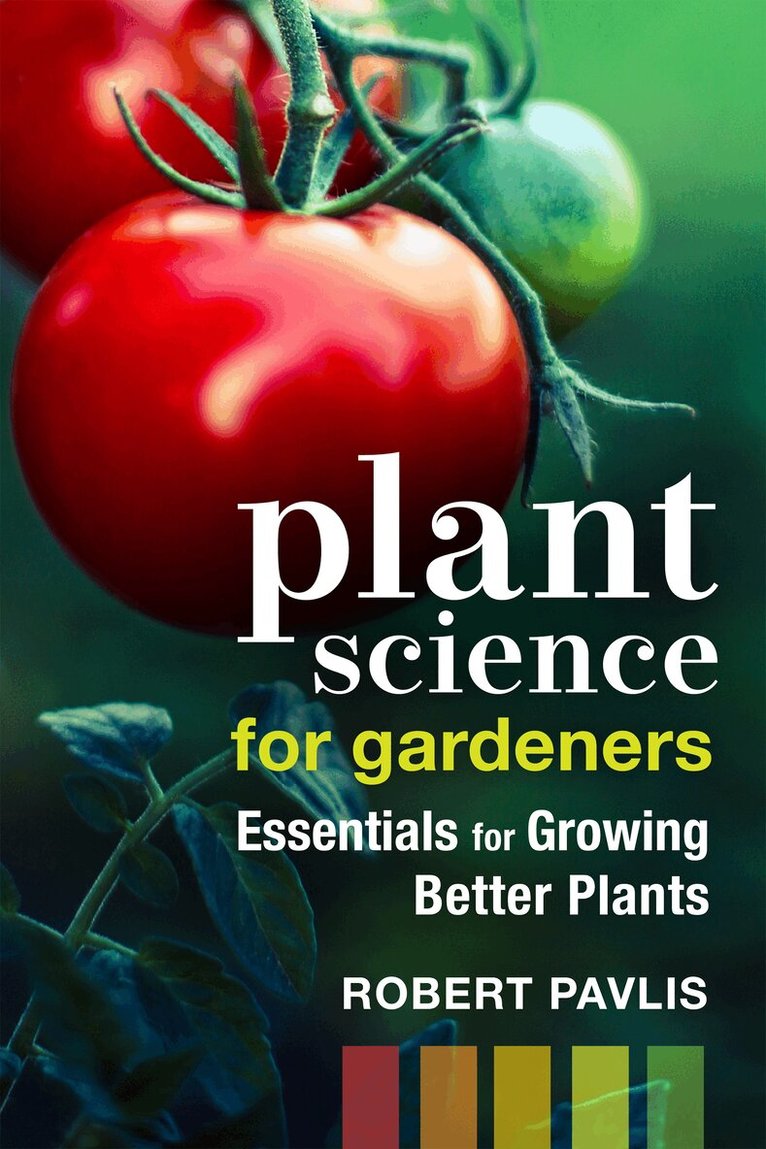
Plant Science for Gardeners
Essentials for Growing Better Plants
200 kr
Tillfälligt slut