Robert Pringle – författare
Visar alla böcker från författaren Robert Pringle. Handla med fri frakt och snabb leverans.
11 produkter
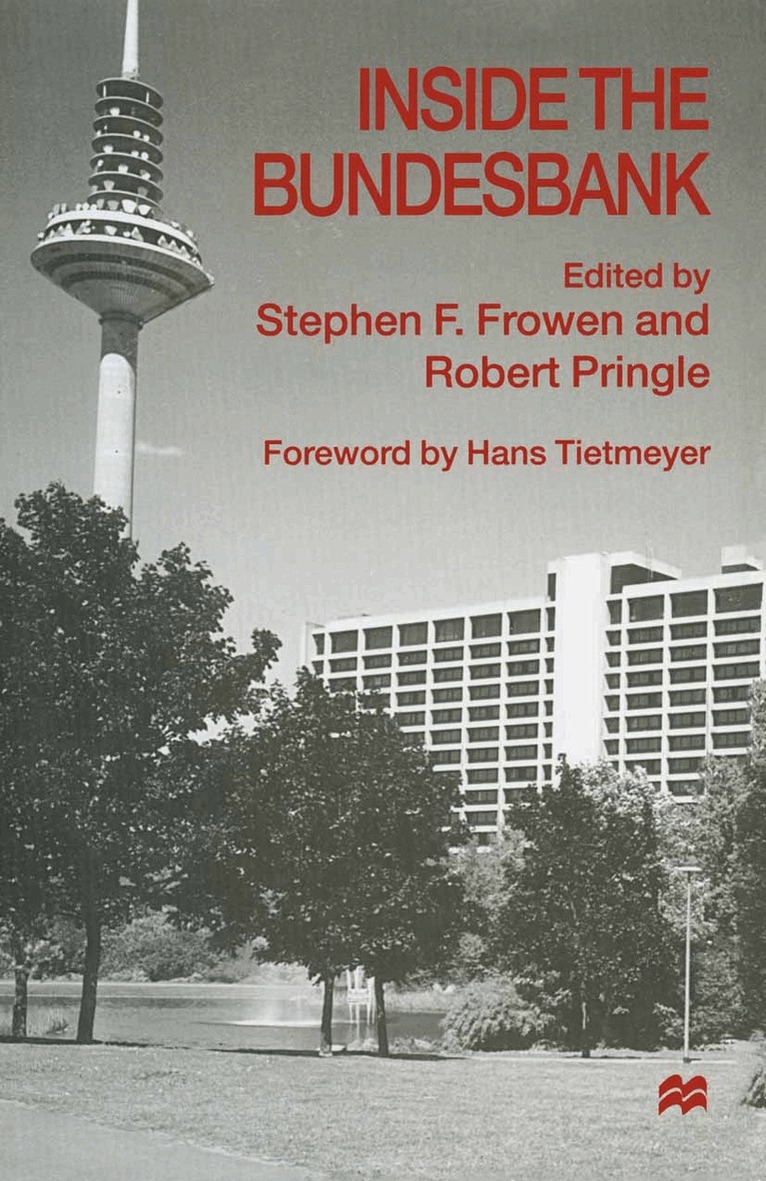
Inside the Bundesbank
Av Robert Pringle, Stephen F. Frowen
Inbunden, 1998
1129 kr
Lägg i varukorg
The Bundesbank is one of the world's most powerful and successful central banks, outstanding for its independence in the conduct of monetary policy and for its success in the achievement of relative price stability virtually throughout the post-war era. This collection of essays by the President of …
Inside the Bundesbank
Av Robert Pringle, Stephen F. Frowen
E-bok, 2015
1562 kr
Lägg i varukorg
The Bundesbank is one of the world''s most powerful and successful central banks, outstanding for its independence in the conduct of monetary policy and for its success in the achievement of relative price stability virtually throughout the post-war era. This collection of essays by the President …
Trouble in Tionesta
How the World Should End
E-bok, 2014
60 kr
Lägg i varukorg
Triple disasters destroy most human life on earth, the lucky survivors struggle to protect themselves and come to find we are not alone and never have been. Mankind rises another step in evolution.
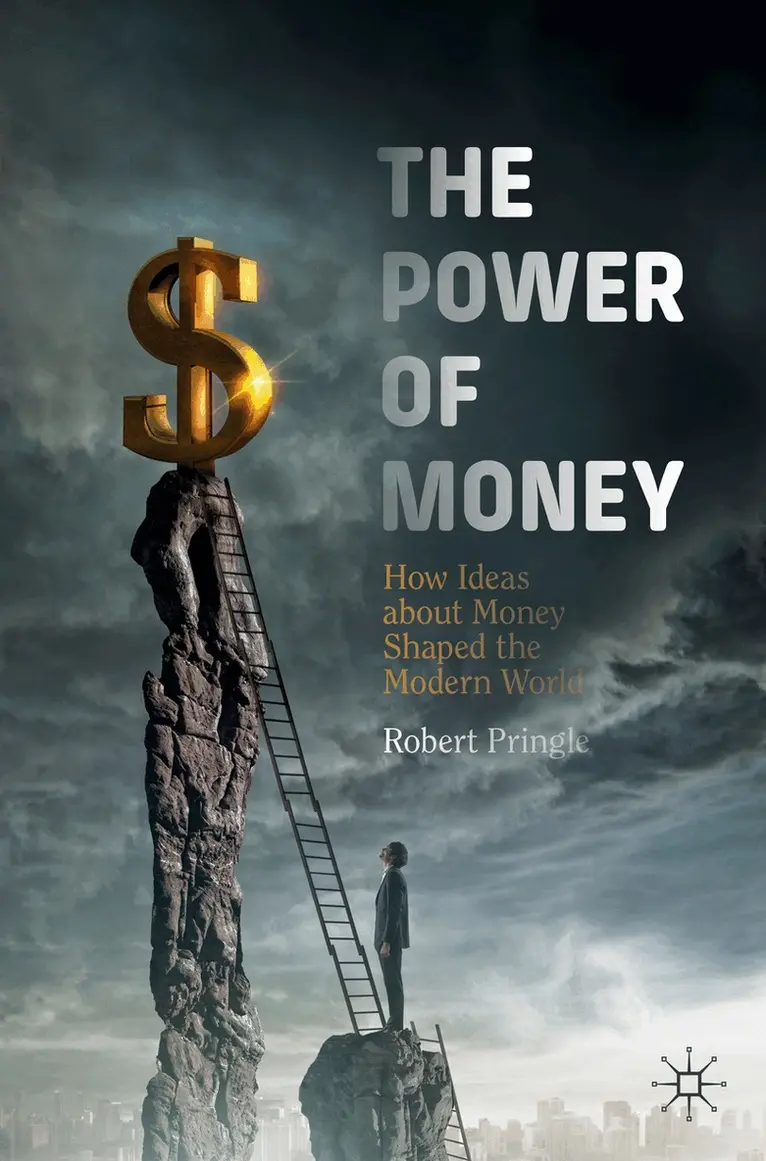
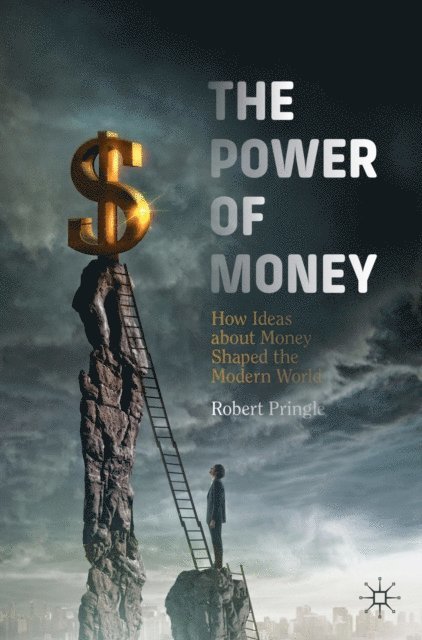
Power of Money
How Ideas about Money Shaped the Modern World
Häftad, 2019
306 kr
Lägg i varukorg
Innovation in money is just as important as innovation in any other sphere of activity; money is always a “work in progress.” In fact, history shows societies have tried out a wide diversity of monetary arrangements. Ideas about money have played key roles at crucial turning points in world history …
Power of Money
How Ideas about Money Shaped the Modern World
E-bok, 2019
395 kr
Lägg i varukorg
Innovation in money is just as important as innovation in any other sphere of activity; money is always a “work in progress.” In fact, history shows societies have tried out a wide diversity of monetary arrangements. Ideas about money have played key roles at crucial turning points in world history …
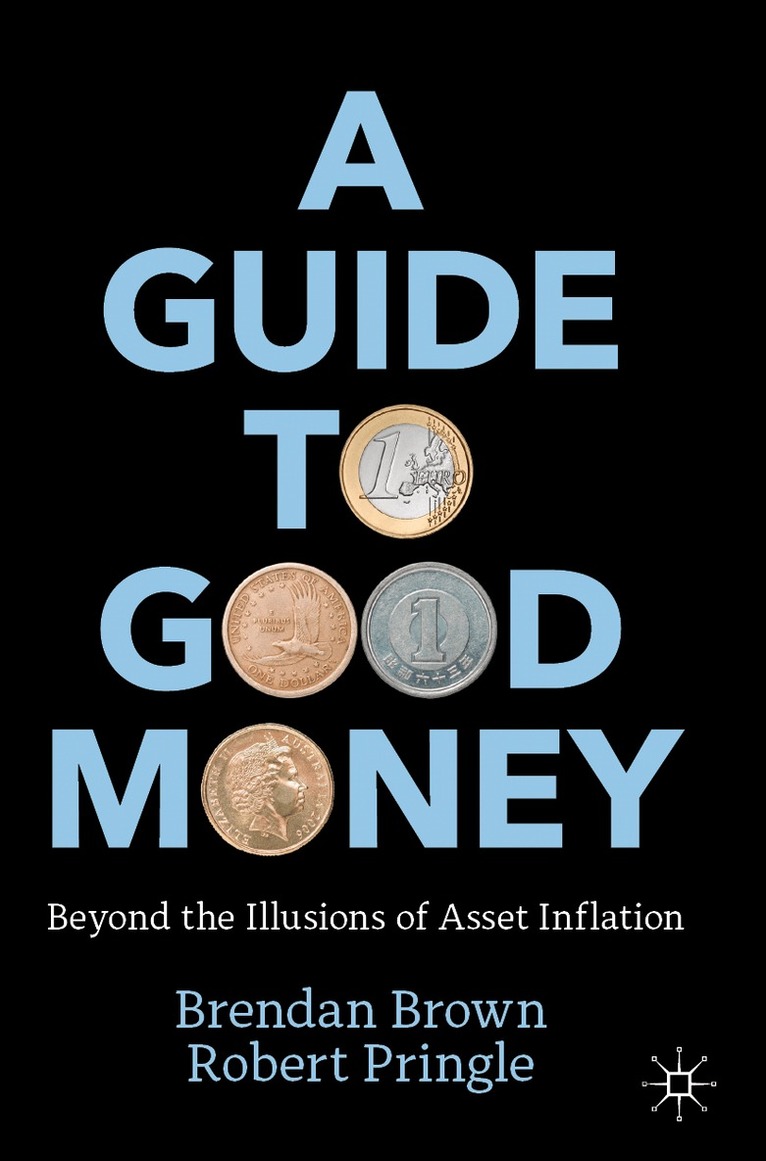
Guide to Good Money
Beyond the Illusions of Asset Inflation
Av Brendan Brown, Robert Pringle
Häftad, 2022
418 kr
Lägg i varukorg
Modern money, having now become a key tool of government economic policy and a source of massive tax revenues, has strayed far from its original purpose. This is doubly regrettable, as the better money functions at an individual level in satisfying demand for quality, the better it is for economic …
Guide to Good Money
Beyond the Illusions of Asset Inflation
Av Robert Pringle, Brendan Brown
E-bok, 2022
588 kr
Lägg i varukorg
Modern money, having now become a key tool of government economic policy and a source of massive tax revenues, has strayed far from its original purpose. This is doubly regrettable, as the better money functions at an individual level in satisfying demand for quality, the better it is for economic …