Robert S. Bristow - Böcker
Visar alla böcker från författaren Robert S. Bristow. Handla med fri frakt och snabb leverans.
3 produkter
3 produkter
2 150 kr
Skickas inom 10-15 vardagar
Liminality is not typically associated with tourism, even though it can be viewed as an intrinsic element of the social/cultural experiences of tourism. Liminality in Tourism: Spatial and Temporal Considerations aims to build upon the tradition of liminality as expounded in social and anthropological disciplines, elaborating on the theoretical principles and concepts found within certain aspects of the tourist journey and tourist product. The emergence of post-modern society has impelled a change in the tourist gaze towards a more experiential and adventuresome globalised experience. An important aspect of the tourist phenomenon of liminality is where a transformative experience is triggered by entering a liminoid tourist space, leaving the tourist permanently psychologically transformed, before returning to normalised society. The narrative provides a new perspective on the tourist experience with a provocative examination into the multidimensional aspects of tourism, by exploring tourism within the spatial and temporal aspects of liminal landscapes. Covid-19 has further changed the rubric of tourism. Until the current pandemic, tourism has basically been a fun experience. In a post pandemic world, however, the tourist is now facing an unknown future which will almost certainly affect tourism liminality.This book presents the reader with a wealth of examples and case studies closely illustrating the association between tourism and liminal experiences. The geographical perspectives explore the more subconscious outcomes of destination and tourist product consumption. The book should be a useful reader to tourism geography where the theory of liminality can be synthesized into tourist experiences.The chapters in this book were originally published as a special issue of the journal Tourism Geographies.
635 kr
Skickas inom 10-15 vardagar
Liminality is not typically associated with tourism, even though it can be viewed as an intrinsic element of the social/cultural experiences of tourism. Liminality in Tourism: Spatial and Temporal Considerations aims to build upon the tradition of liminality as expounded in social and anthropological disciplines, elaborating on the theoretical principles and concepts found within certain aspects of the tourist journey and tourist product. The emergence of post-modern society has impelled a change in the tourist gaze towards a more experiential and adventuresome globalised experience. An important aspect of the tourist phenomenon of liminality is where a transformative experience is triggered by entering a liminoid tourist space, leaving the tourist permanently psychologically transformed, before returning to normalised society. The narrative provides a new perspective on the tourist experience with a provocative examination into the multidimensional aspects of tourism, by exploring tourism within the spatial and temporal aspects of liminal landscapes. Covid-19 has further changed the rubric of tourism. Until the current pandemic, tourism has basically been a fun experience. In a post pandemic world, however, the tourist is now facing an unknown future which will almost certainly affect tourism liminality.This book presents the reader with a wealth of examples and case studies closely illustrating the association between tourism and liminal experiences. The geographical perspectives explore the more subconscious outcomes of destination and tourist product consumption. The book should be a useful reader to tourism geography where the theory of liminality can be synthesized into tourist experiences.The chapters in this book were originally published as a special issue of the journal Tourism Geographies.
1 500 kr
Skickas inom 7-10 vardagar
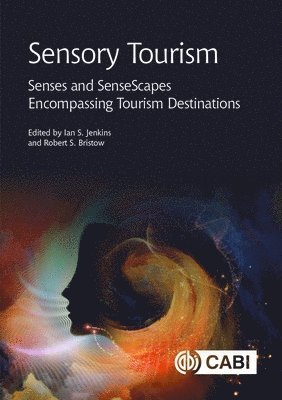
Tourism offers countless global locations, providing a multitude of sensory experiences. These include commercialised tourism products such as saunas and floatation tanks through to natural phenomenon such as mountains and wilderness destinations. Consequently, sensory elements are a curious concept within tourism because every destination provides a sensory experience of one kind or another. The first of its kind, this book examines holidays and tourism through sensory perceptions which either encourage or deter consumers. It studies sensoryscapes and how they effect and affect tourism at destinations and be linked with the development of tourist niches, reflecting the segmenting of the mass market tourism into smaller segments. Finally, it reflects on how with increased urbanisation there a growing need is to find quiet spaces, free from urban or anthropogenic noise, such as silent retreats and dark sky meditation holidays. Escape has always been one of the main components of tourism development together with attraction to spatial locations that match tourists' needs. Structed to address each of the senses separately, this book provides a: · wide range of case studies from interdisciplinary backgrounds · links amongst common themes across the various threads of research on sensory experiences · theoretical framework and practical application for sensory tourism. It will be of interest to those studying tourism management as well as wider social science disciplines.