Robert Skidelsky – författare
Visar alla böcker från författaren Robert Skidelsky. Handla med fri frakt och snabb leverans.
33 produkter
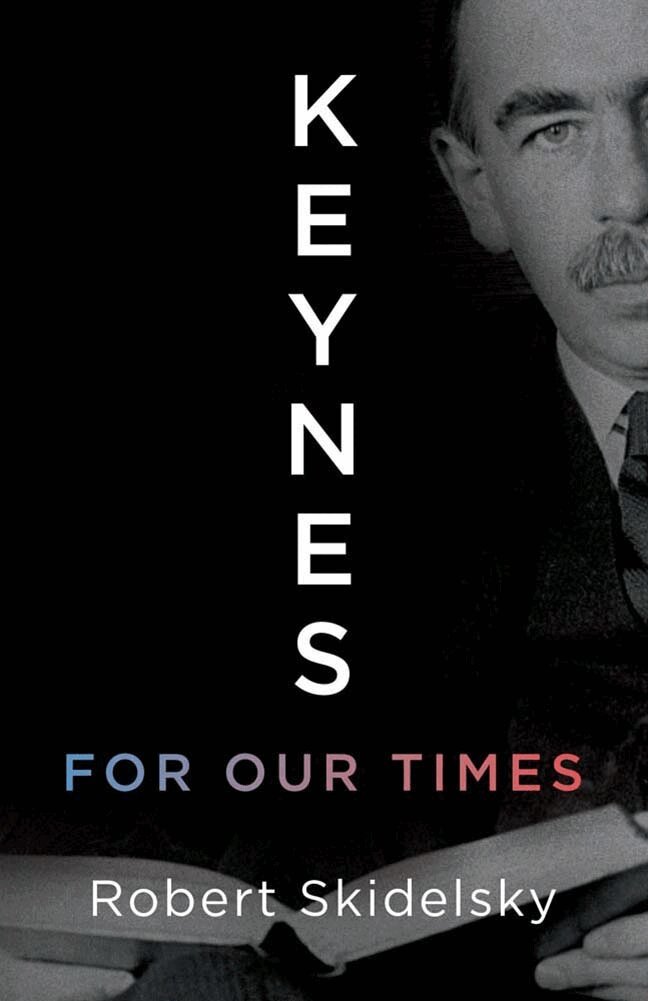
Keynes for Our Times
Inbunden, 2026
228 kr
Lägg i varukorg
From John Maynard Keynes’s foremost biographer, an illuminating look at how the economist’s ethical approach can be used to address today’s pressing problemsJohn Maynard Keynes (1883–1946) was arguably the most important economist of the twentieth century; his ideas have fundamentally altered the …
John Maynard Keynes
1883-1946: Economist, Philosopher, Statesman
Häftad, 2013
367 kr
Lägg i varukorg
THE DEFINITIVE SINGLE-VOLUME BIOGRAPHYRobert Skidelsky's three-volume biography of John Maynard Keynes has been acclaimed as the authoritative account of the great economist-statesman's life. Here, Skidelsky has revised and abridged his magnum opus into one definitive book, which examines in its …
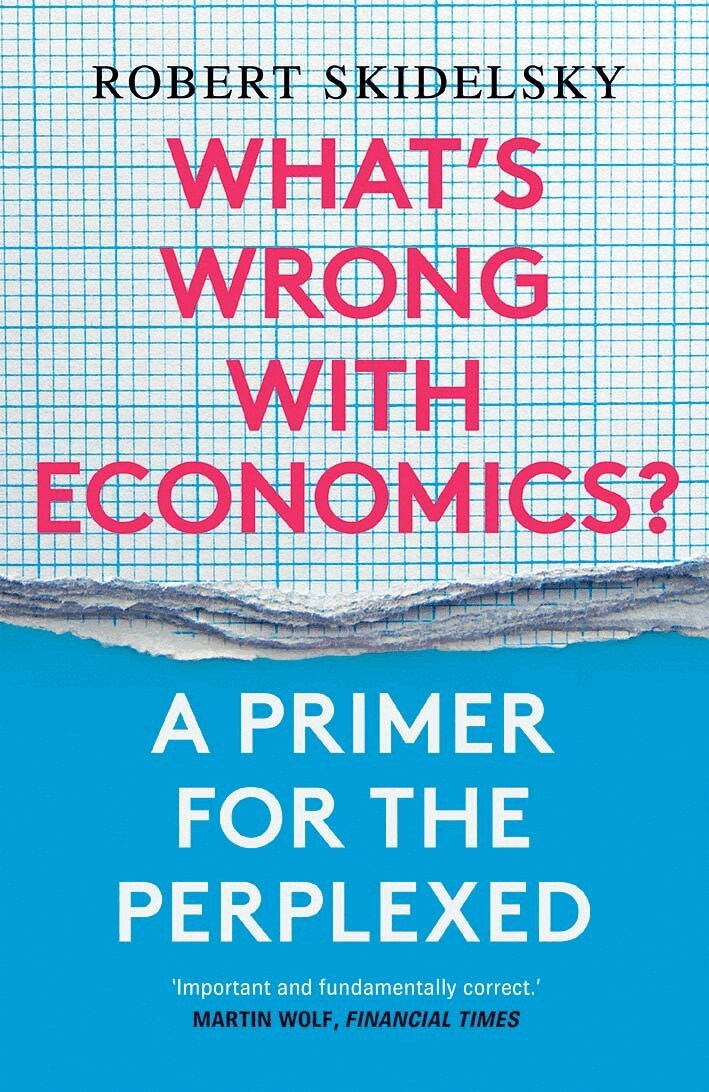
What’s Wrong with Economics?
A Primer for the Perplexed
Häftad, 2021
4,0 utav 5 stjärnor. Totalt antal röster: (1)
141 kr
Lägg i varukorg
A passionate and informed critique of mainstream economics from one of the leading economic thinkers of our time“Trenchant and highly readable. . . . Should be required reading for anyone new to the field, students and general readers alike.”—Simon Torracinta, Boston ReviewThis insightful book …
Essential Keynes
Av John Maynard Keynes, Robert Skidelsky
Häftad, 2015
157 kr
Lägg i varukorg
Edited with an introduction by ROBERT SKIDELSKY'Many of the greatest economic evils of our time are the fruits of risk, uncertainty, and ignorance'John Maynard Keynes was the most influential economist, and one of the most influential thinkers, of the twentieth century. He overturned the orthodoxy …
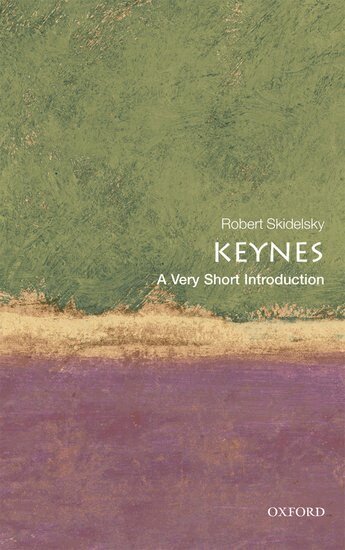
Keynes
A Very Short Introduction
Häftad, 2010
120 kr
Lägg i varukorg
John Maynard Keynes (1883-1946) is a central thinker of the twentieth century, not just an economic theorist and statesman, but also in economics, philosophy, politics, and culture. In this Very Short Introduction Lord Skidelsky, a renowned biographer of Keynes, explores his ethical and practical …
How Much is Enough?: Money and the Good Life
Av Robert Skidelsky, Edward Skidelsky
Häftad, 2013
306 kr
Lägg i varukorg
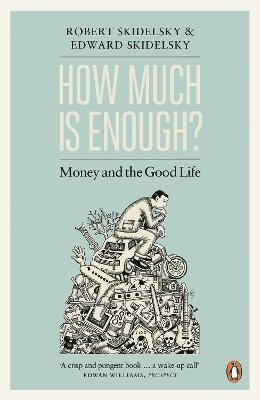
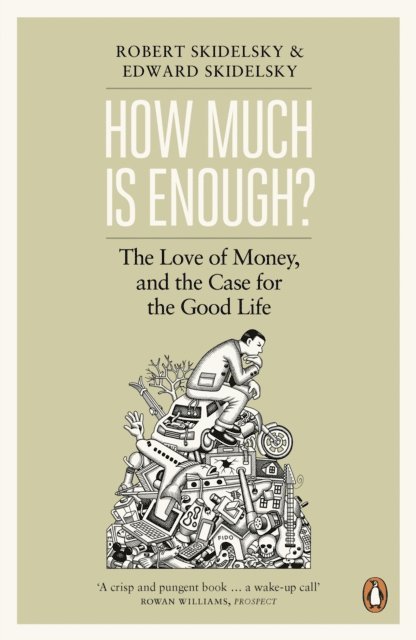
How Much is Enough?
Money and the Good Life
Av Edward Skidelsky, Robert Skidelsky
Häftad, 2013
155 kr
Lägg i varukorg
In 1930 the great economist Keynes predicted that, over the next century, income would rise steadily, people's basic needs would be met and no one would have to work more than fifteen hours a week. Why was he wrong?Robert and Edward Skidelsky argue that wealth is not - or should not be - an end in …
How Much is Enough?
Money and the Good Life
Av Edward Skidelsky, Robert Skidelsky
E-bok, 2012
108 kr
Lägg i varukorg
In 1930 the great economist Keynes predicted that, over the next century, income would rise steadily, people's basic needs would be met and no one would have to work more than fifteen hours a week. Why was he wrong?Robert and Edward Skidelsky argue that wealth is not - or should not be - an end in …
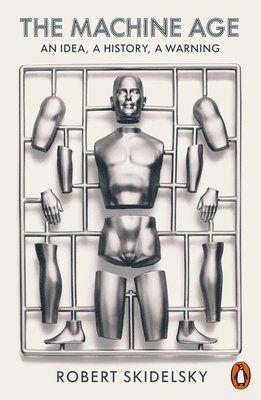
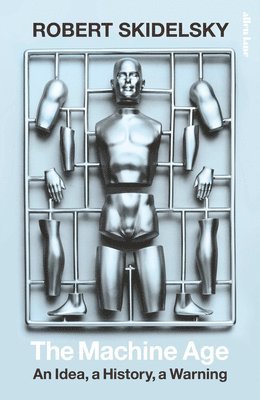
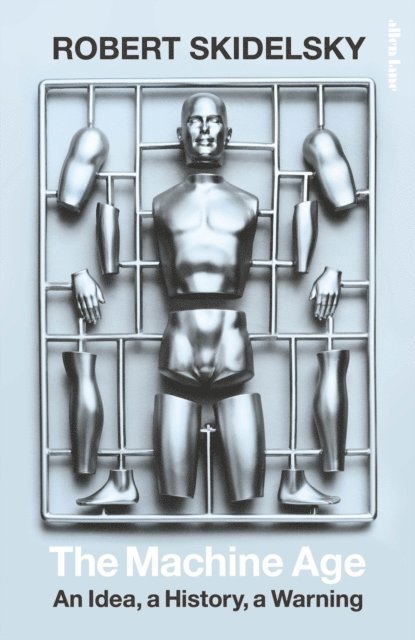
Machine Age
An Idea, a History, a Warning
Häftad, 2024
133 kr
Lägg i varukorg
A sweeping history of and meditation on humanity's relationship with machines, showing how we got here and what happens nextFaith in technological fixes for our problems is waning. Automation, which promised relief from toil, has reactivated the long-standing fear of job redundancy. Information …
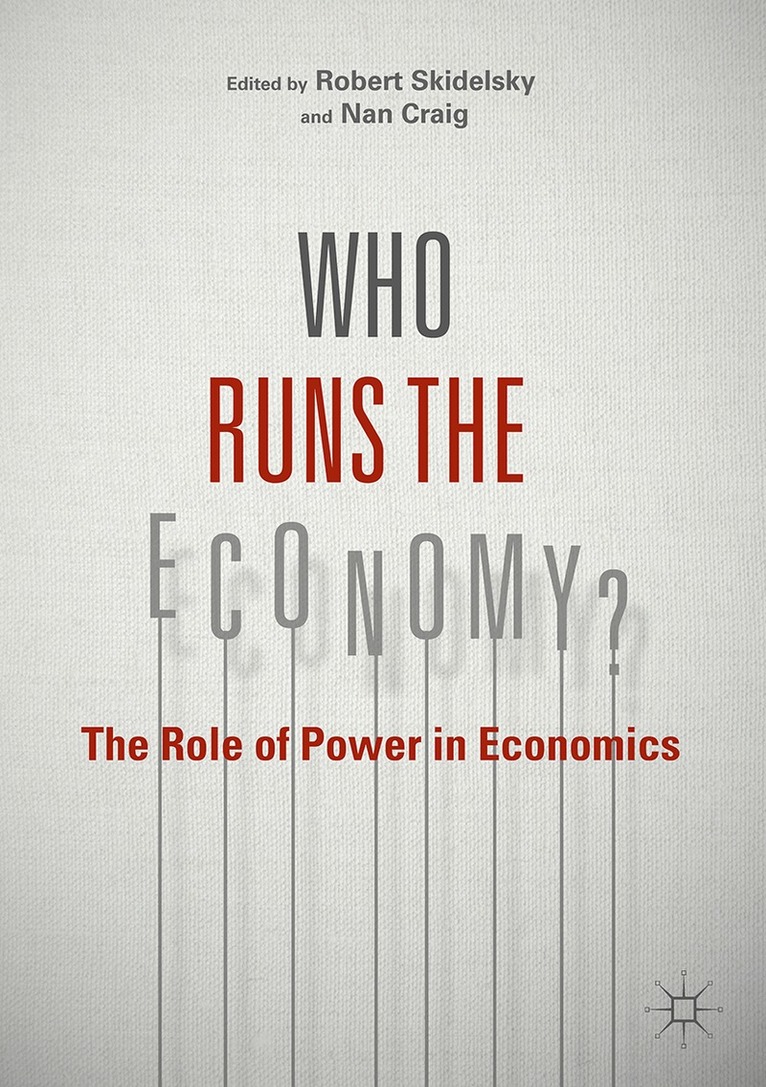
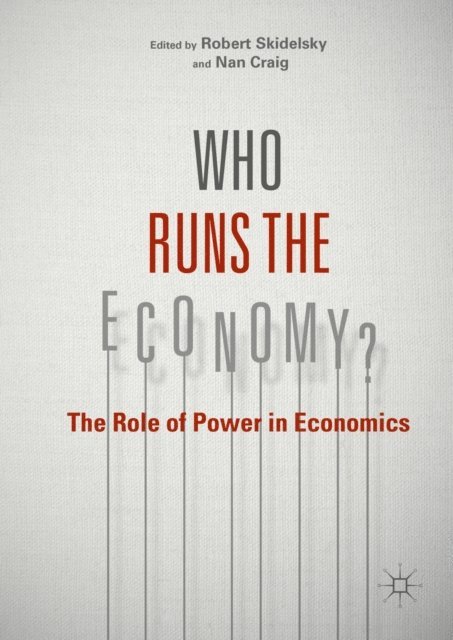
Who Runs the Economy?
The Role of Power in Economics
Av Robert Skidelsky, Nan Craig
Häftad, 2016
225 kr
Lägg i varukorg
Since the financial crisis of 2008 and the following Great Recession, there has been surprisingly little change in the systems of ideas, institutions and policies which preceded the crash and helped bring it about. 'Mainstream' economics carries on much as it did before. Despite much discussion of …
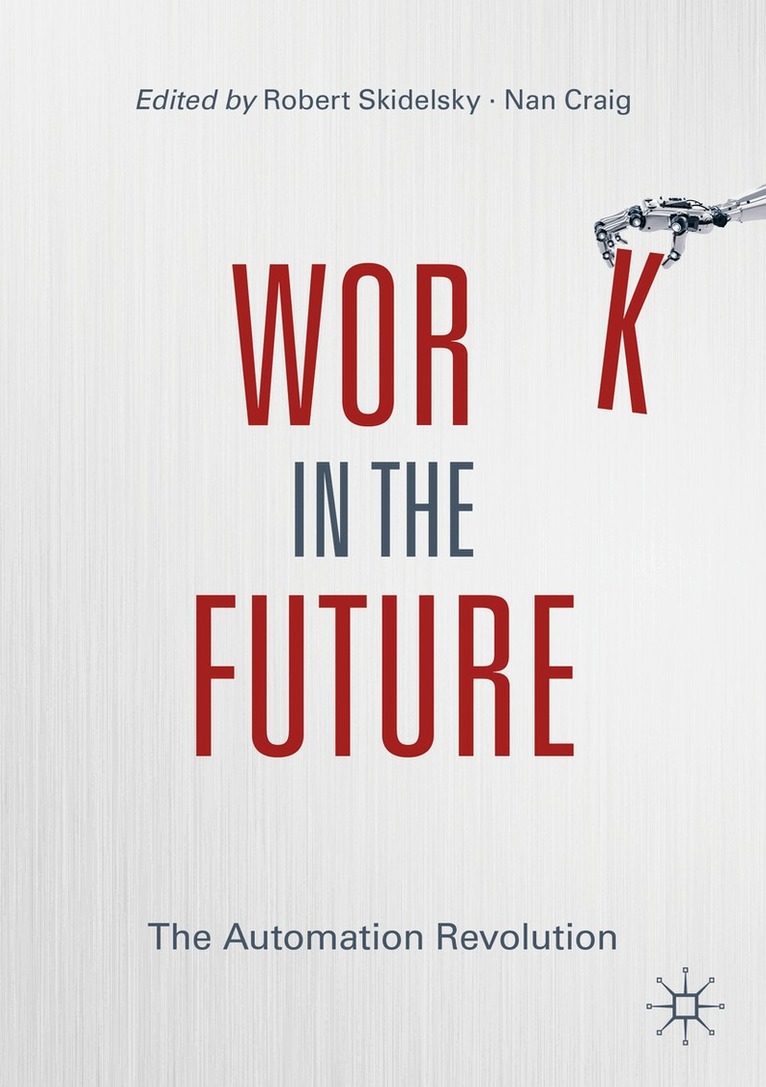
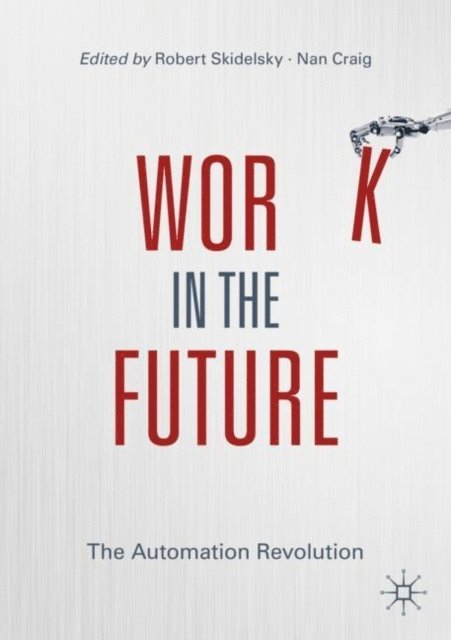
Work in the Future
The Automation Revolution
Av Robert Skidelsky, Nan Craig
Häftad, 2020
295 kr
Lägg i varukorg
This short, accessible book seeks to explore the future of work through the views and opinions of a range of expertise, encompassing economic, historical, technological, ethical and anthropological aspects of the debate. The transition to an automated society brings with it new challenges and a …
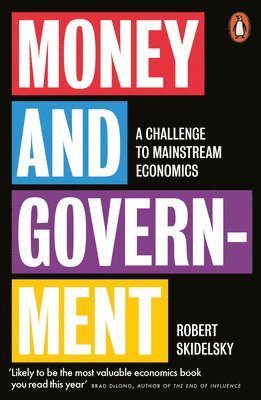
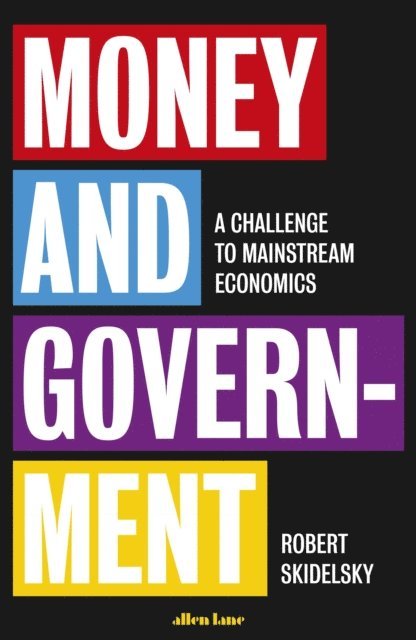
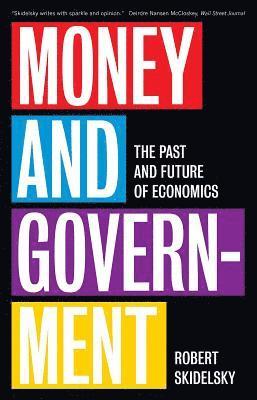
Money and Government
A Challenge to Mainstream Economics
Häftad, 2019
167 kr
Lägg i varukorg
'In this remarkable work, Robert Skidelsky unites his experience, knowledge and talents in a sweeping account of money and power' James K. GalbraithThe dominant view in economics is that money and government should play only a minor role in economic life. Money, it is claimed, is nothing more than …
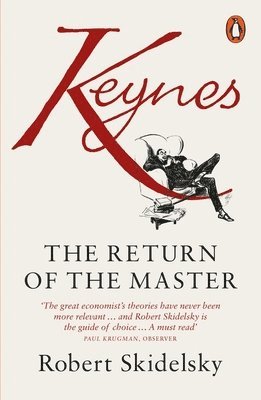
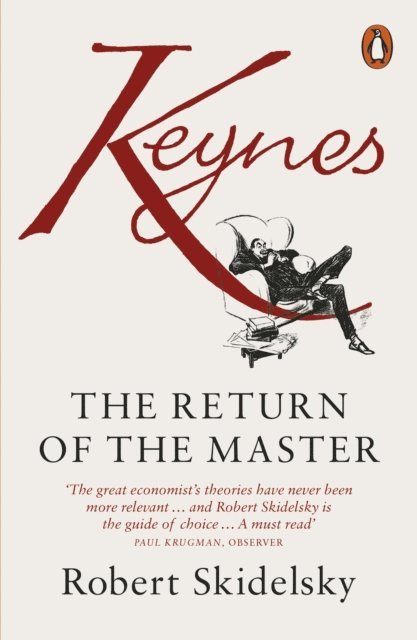
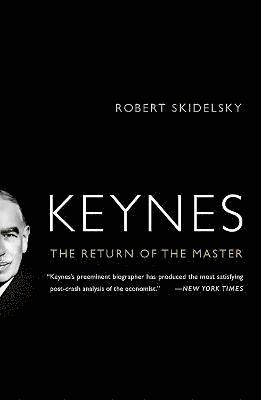
Keynes
The Return of the Master
Häftad, 2010
160 kr
Lägg i varukorg
Robert Skidelsky's Keynes: The Return of the Master shows how the great economist's ideas not only explain why the current financial crisis occurred - but are our best way out.'One would expect brokers to be wrong. If, in addition to their other inside advantages, they were capable of good advice, …
Keynes
The Return of the Master
E-bok, 2009
108 kr
Lägg i varukorg
In the current financial crisis Keynes has been taken out of his cupboard, dusted down, consulted, cited, invoked and appealed to about why events have taken the course they have and how a rescue operation can be effected. Why have we gone back so emphatically to the ideas of an economist who died …
Keynes
A Very Short Introduction
E-bok, 2010
98 kr
Lägg i varukorg
John Maynard Keynes (1883-1946) is a central thinker of the twentieth century, not just an economic theorist and statesman, but also in economics, philosophy, politics, and culture. In this Very Short Introduction Lord Skidelsky, a renowned biographer of Keynes, explores his ethical and practical …
Keynes
A Very Short Introduction
E-bok, 2010
98 kr
Lägg i varukorg
John Maynard Keynes (1883-1946) is a central thinker of the twentieth century, not just an economic theorist and statesman, but also in economics, philosophy, politics, and culture. In this Very Short Introduction Lord Skidelsky, a renowned biographer of Keynes, explores his ethical and practical …
Machine Age
An Idea, a History, a Warning
E-bok, 2023
108 kr
Lägg i varukorg
A sweeping history of and meditation on humanity's relationship with machines, showing how we got here and what happens nextFaith in technological fixes for our problems is waning. Automation, which promised relief from toil, has reactivated the long-standing fear of job redundancy. Information …
Money and Government
A Challenge to Mainstream Economics
E-bok, 2018
125 kr
Lägg i varukorg
The dominant view in economics is that money and government should play only a minor role in economic life. Money, it is claimed, is nothing more than a medium of exchange; and economic outcomes are best left to the 'invisible hand' of the market. In contrast, the view taken in this important new …
Who Runs the Economy?
The Role of Power in Economics
Av Nan Craig, Robert Skidelsky
E-bok, 2016
294 kr
Lägg i varukorg
Since the financial crisis of 2008 and the following Great Recession, there has been surprisingly little change in the systems of ideas, institutions and policies which preceded the crash and helped bring it about. ''Mainstream'' economics carries on much as it did before. Despite much discussion …
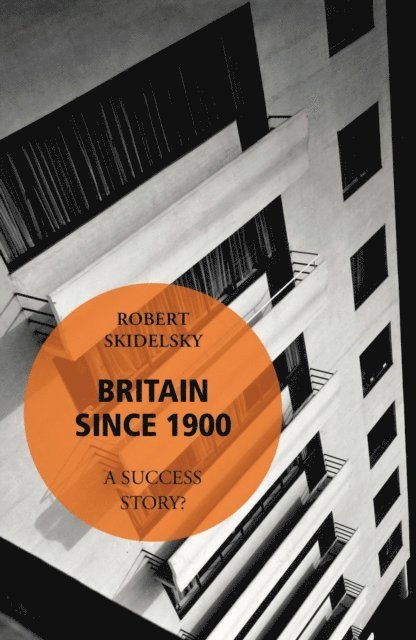
Britain Since 1900 - A Success Story?
E-bok, 2015
144 kr
Lägg i varukorg
How successful has Britain been in the twentieth century? This is the question Robert Skidelsky poses in this fascinating analysis of a century in which Britain lost an empire, fought two world wars, founded the welfare state and weathered economic turbulence and technological upheaval.We are …
Keynes
The Return of the Master
Häftad, 2010
197 kr
Lägg i varukorg
In the debris of the financial crash of 2008, the principles of John Maynard Keynes,that economic storms are a normal part of the market system, that governments need to step in and use fiscal ammunition to prevent these storms from becoming depressions, and that societies that value the pursuit of …
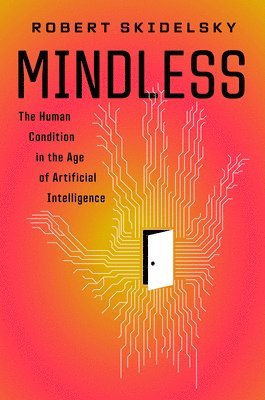
Mindless: The Human Condition in the Age of Artificial Intelligence
Inbunden, 2024
347 kr
Lägg i varukorg
Work in the Future
The Automation Revolution
Av Nan Craig, Robert Skidelsky
E-bok, 2020
395 kr
Lägg i varukorg
This short, accessible book seeks to explore the future of work through the views and opinions of a range of expertise, encompassing economic, historical, technological, ethical and anthropological aspects of the debate. The transition to an automated society brings with it new challenges and a …
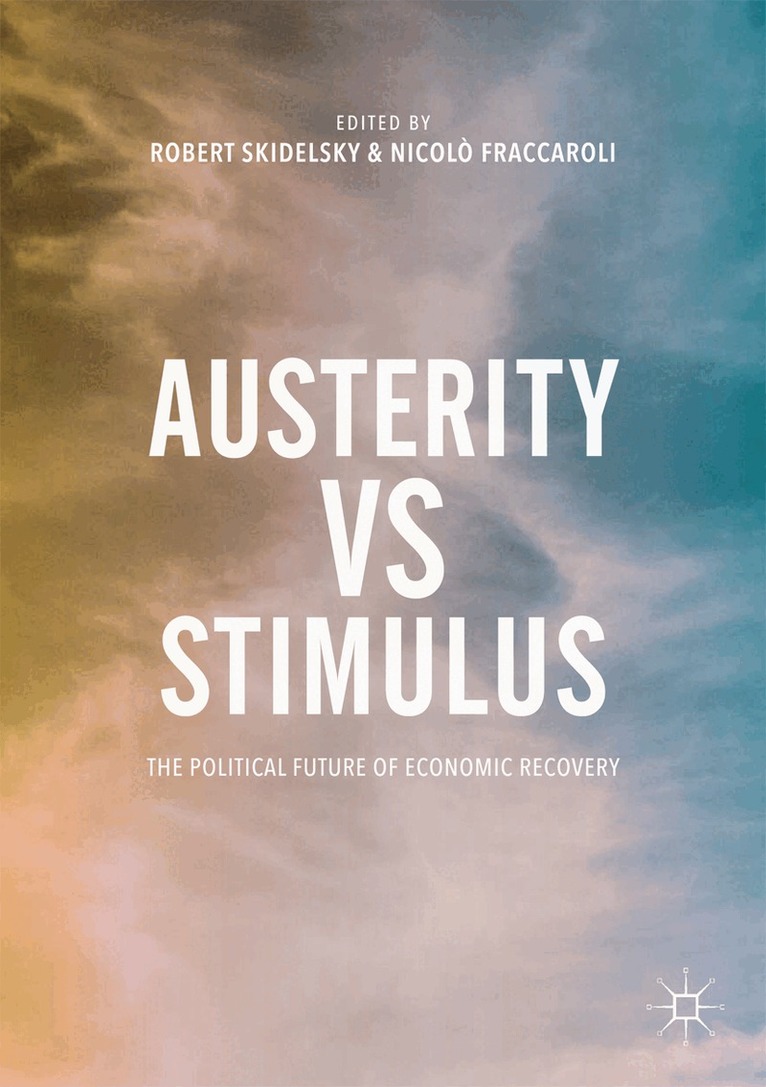
Austerity vs Stimulus
The Political Future of Economic Recovery
Av Robert Skidelsky, Nicolò Fraccaroli
Häftad, 2017
327 kr
Lägg i varukorg
This timely book debates the economic and political logic of the austerity policies that have been implemented in the UK and in the Eurozone since 2010 and asks whether there is any alternative for these countries in the years ahead. The work reconsiders the austerity versus stimulus debate through …
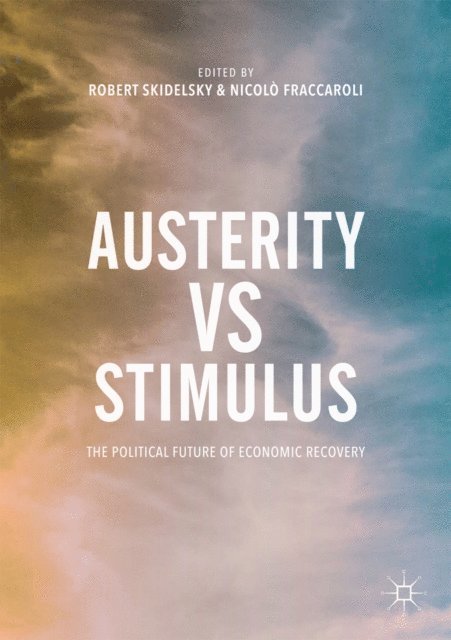
Austerity vs Stimulus
The Political Future of Economic Recovery
Av Nicolo Fraccaroli, Robert Skidelsky
E-bok, 2017
391 kr
Lägg i varukorg
This timely book debates the economic and political logic of the austerity policies that have been implemented in the UK and in the Eurozone since 2010 and asks whether there is any alternative for these countries in the years ahead. The work reconsiders the austerity versus stimulus debate through …