Liberalism forms the dominant political ideology of the modern world, but despite its pervasive influence, this is the first book-length treatment of liberal political thought from a Christian theological perspective. Song discusses the different aspects and interpretations of liberalism with reference to the critiques of three twentieth-century theologians: the American Protestant Reinhold Niebuhr on the liberal progressivist philosophy of history; the lesser-knownCanadian George Grant on the threat of technology to fundamental liberal values, as articulated in the recent work of John Rawls; and the French Thomist Jacques Maritain on the defence of political pluralism. Further to this, Song explores the implications of this political theology for the issuesin fundamental constitutional theory raised by a bill of rights and judicial review of legislation, and concludes with an account of the critical but supportive stance of liberalism Christian theology should take.
Liberalism forms the dominant political ideology of the modern world, but despite its pervasive influence, this is the first book-length treatment of liberal political thought from a Christian theological perspective. Song discusses the different aspects and interpretations of liberalism with reference to the critiques of three twentieth-century theologians: the American Protestant Reinhold Niebuhr on the liberal progressivist philosophy of history; the lesser-known Canadian George Grant on the threat of technology to fundamental liberal values, as articulated in the recent work of John Rawls; and the French Thomist Jacques Maritain on the defence of political pluralism. Further to this, Song explores the implications of this political theology for the issues in fundamental constitutional theory raised by a bill of rights and judicial review of legislation, and concludes with an account of the critical but supportive stance of liberalism Christian theology should take.
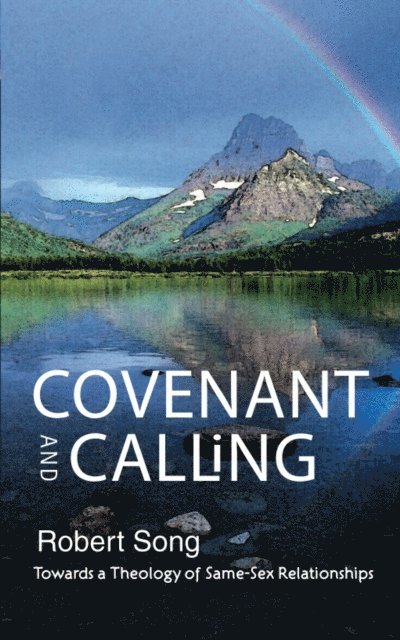
No other issue in recent times has proved as potentially divisive for the churches as that of same-sex relationships. At the same time as many countries have been moving towards legal recognition of civil partnerships or same-sex marriage, Christian responses have tended towards either finding alliances with proponents of conservative social mores, or providing what amounts to theological endorsement of secular liberal values. Against both trends, Robert Song’s book advances a theological account of marriage and sexuality which appeals to the central biblical theme of the fulfilment of creation in Christ, but is also open to the possibility of same-sex relationships. Rejecting treatments of the Bible which concentrate on a small number of well-rehearsed texts on same-sex relationships to the exclusion of the Bible’s overarching narrative, this book provides a fresh interpretation of the Christian tradition and defends a vision of the church which embraces a plurality of callings, to marriage, celibacy, and covenant partnership.
No other issue in recent times has proved as potentially divisive for the churches as that of same-sex relationships. At the same time as many countries have been moving towards legal recognition of civil partnerships or same-sex marriage, Christian responses have tended towards either finding alliances with proponents of conservative social mores, or providing what amounts to theological endorsement of secular liberal values.
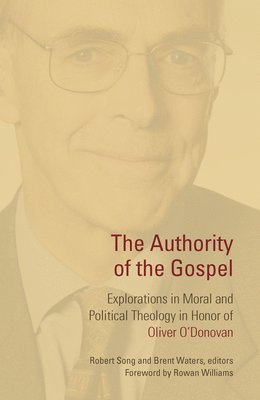
Oliver O'Donovan is widely regarded as one of the preeminent Protestant Christian ethicists of our time. His teaching and scholarship have exerted a profound influence on countless moral theologians.This volume honoring O'Donovan shows how the various contributors -- themselves distinguished scholars -- have developed their own thinking through serious engagement with O'Donovan's work. Significantly, they build upon, expand, and critique the agenda for Christian ethics that O'Donovan has been instrumental in constructing. As Robert Song and Brent Waters say in their introduction, "To genuinely honor O'Donovan, one cannot remain content with reciting but must risk one's own exposition."Contributors:Nigel BiggarBrian BrockJonathan ChaplinEric GregoryShinji KayamaJean-Yves LacosteJoan O'DonovanOliver O'DonovanRobert SongHans UlrichBernd WannenwetschBrent WatersJohn WebsterRowan WilliamsJohn Witte Jr.Holger Zaborowski