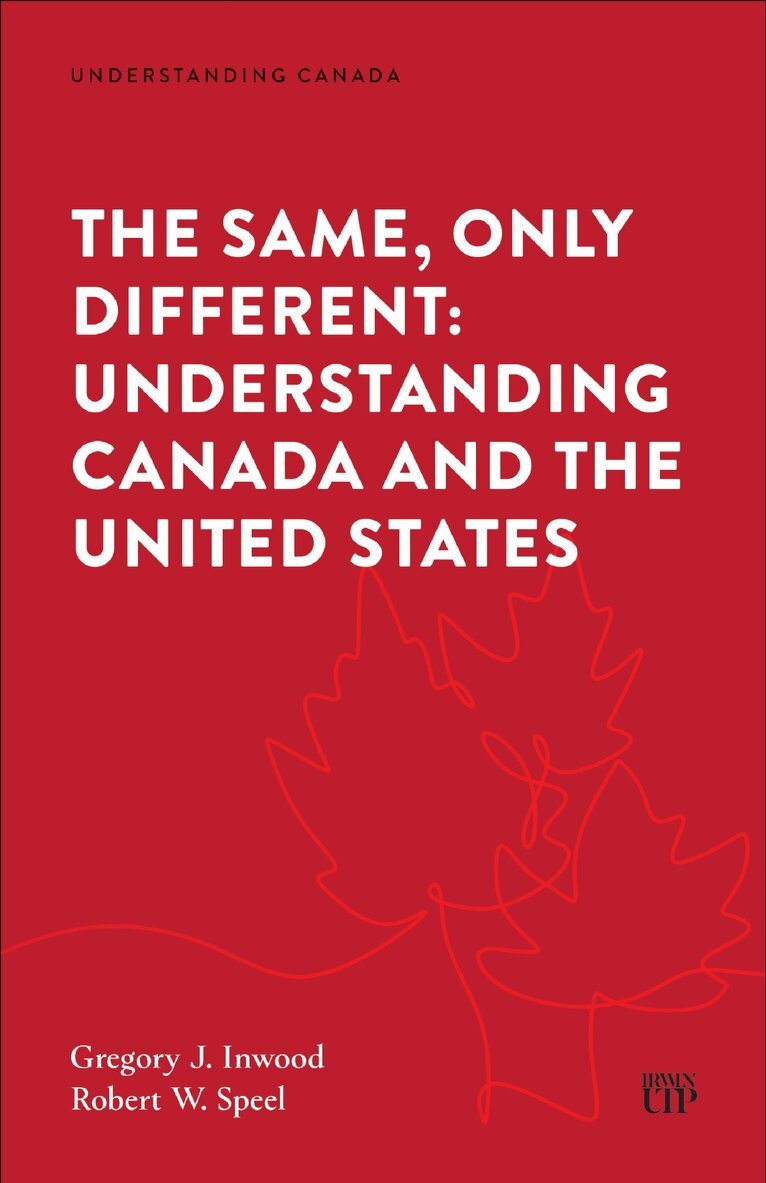
How can Canada ensure it is not overlooked or taken for granted by the United States? That, in fact, Canada’s success is a central element of America’s success? This is the never-ending Canadian dilemma in Canadian-American relations. This book provides a brief comparative analysis of the Canada-United States relationship, including its political, economic, cultural, and international relations dimensions. To this end, it explores the comparative history and political cultures of the two countries; the institutions of their respective political systems; elections, political parties and voting; regionalism; public policies; and issues in Canadian-American relations. Across these many dimensions of comparison, it is clear that Canada and the United States are the same, only different.
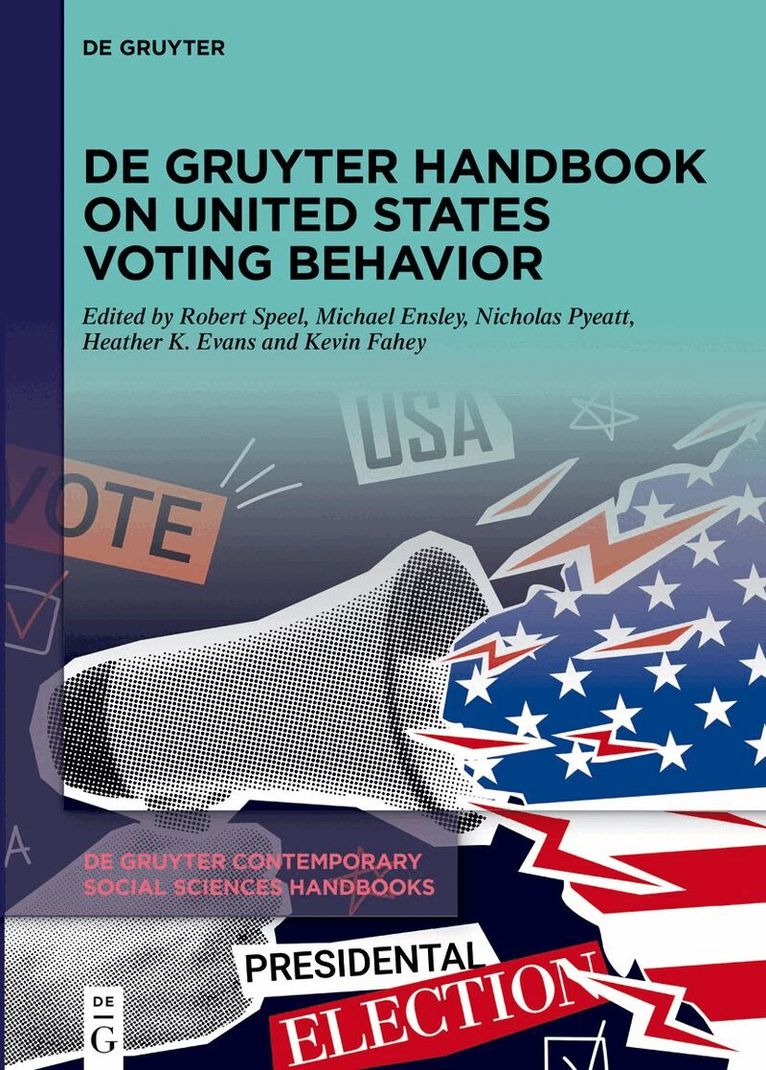
Divided into six sections, the handbook covers voting in federal, state, and local elections; the influence of group identities such as gender, race, and age; and the role of candidates, campaigns, and media. Comparative chapters explore U.S. voting behavior alongside Canada, Germany, Brazil, and other countries. With unique emphasis on misinformation and social media's impact, the Handbook also incorporates innovative methodologies like social media analysis and conjoint experiments. Contributions from scholars worldwide ensure diverse perspectives, making this an essential resource for students, researchers, and general readers interested in American politics.
How can Canada ensure it is not overlooked or taken for granted by the United States? That, in fact, Canada’s success is a central element of America’s success? This is the never-ending Canadian dilemma in Canadian-American relations. This book provides a brief comparative analysis of the Canada-United States relationship, including its political, economic, cultural, and international relations dimensions. To this end, it explores the comparative history and political cultures of the two countries; the institutions of their respective political systems; elections, political parties and voting; regionalism; public policies; and issues in Canadian-American relations. Across these many dimensions of comparison, it is clear that Canada and the United States are the same, only different.
Divided into six sections, the handbook covers voting in federal, state, and local elections; the influence of group identities such as gender, race, and age; and the role of candidates, campaigns, and media. Comparative chapters explore U.S. voting behavior alongside Canada, Germany, Brazil, and other countries. With unique emphasis on misinformation and social media's impact, the Handbook also incorporates innovative methodologies like social media analysis and conjoint experiments. Contributions from scholars worldwide ensure diverse perspectives, making this an essential resource for students, researchers, and general readers interested in American politics.