Roberta Corvi – författare
Visar alla böcker från författaren Roberta Corvi. Handla med fri frakt och snabb leverans.
7 produkter
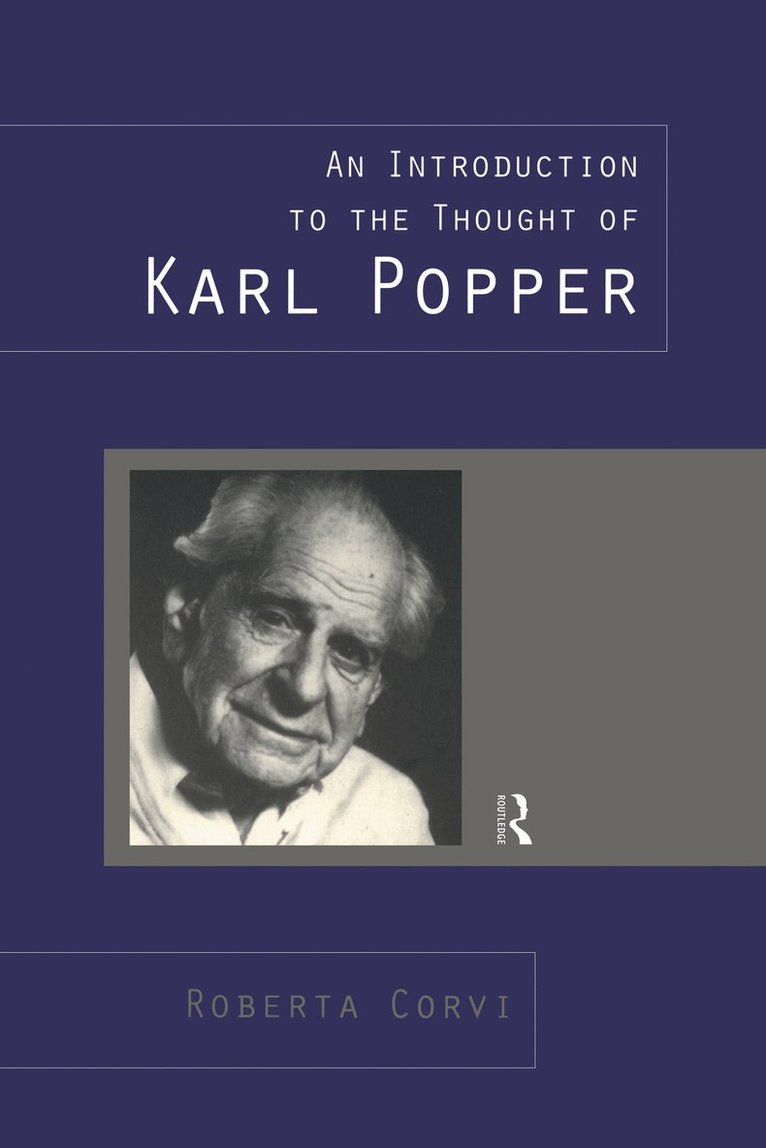
Introduction to the Thought of Karl Popper
Inbunden, 1996
2513 kr
Lägg i varukorg
This is a comprehensive introduction to the philosophical and political thought of Karl Popper, now available in English. It is divided into three parts; the first part provides a biography of Popper; the second part looks at his works and recurrent themes, and the third part assesses his critics. …
Introduction to the Thought of Karl Popper
Häftad, 1996
633 kr
Lägg i varukorg
This is a comprehensive introduction to the philosophical and political thought of Karl Popper, now available in English. It is divided into three parts; the first part provides a biography of Popper; the second part looks at his works and recurrent themes, and the third part assesses his critics. …
Introduction to the Thought of Karl Popper
E-bok, 2005
791 kr
Lägg i varukorg
This is a comprehensive introduction to the philosophical and political thought of Karl Popper, now available in English. It is divided into three parts; the first part provides a biography of Popper; the second part looks at his works and recurrent themes, and the third part assesses his critics. …
Introduction to the Thought of Karl Popper
E-bok, 2005
791 kr
Lägg i varukorg
This is a comprehensive introduction to the philosophical and political thought of Karl Popper, now available in English. It is divided into three parts; the first part provides a biography of Popper; the second part looks at his works and recurrent themes, and the third part assesses his critics. …
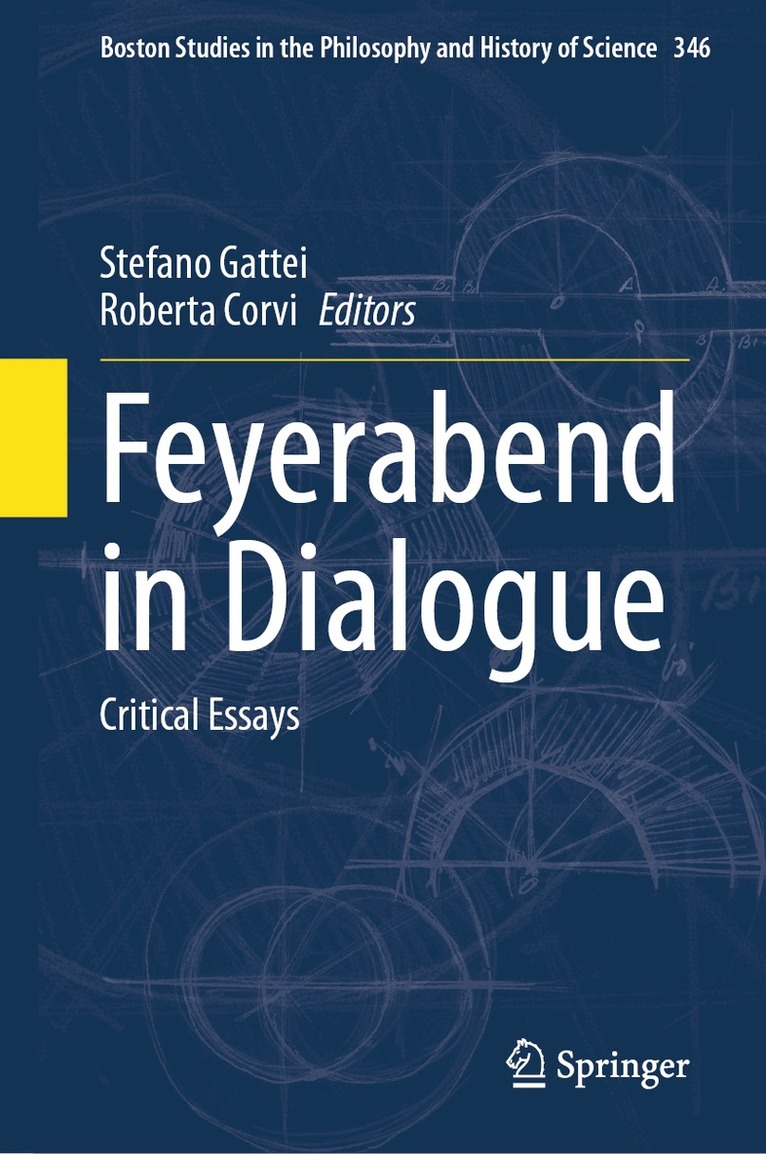
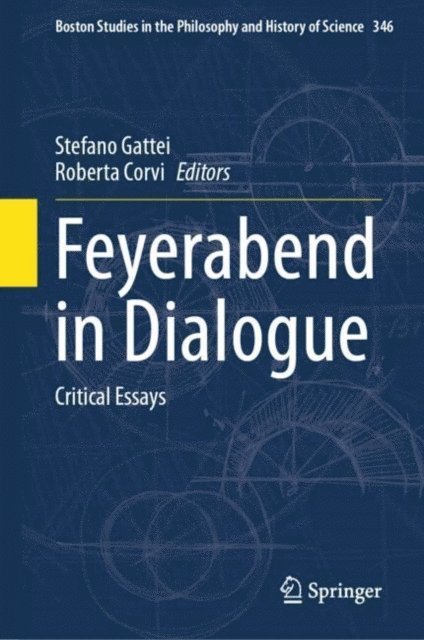
Feyerabend in Dialogue
Critical Essays
Av Stefano Gattei, Roberta Corvi
Inbunden, 2024
1643 kr
Lägg i varukorg
This book offers innovative historical scholarship on Feyerabend’s take on topics such as realism, empiricism, pluralism, materialism, and incommensurability. In addition to discussing certain debates in the philosophy of physics, it also considers the ways in which Feyerabend’s thought can …
Feyerabend in Dialogue
Critical Essays
Av Roberta Corvi, Stefano Gattei
E-bok, 2024
2065 kr
Lägg i varukorg
This book offers innovative historical scholarship on Feyerabend’s take on topics such as realism, empiricism, pluralism, materialism, and incommensurability. In addition to discussing certain debates in the philosophy of physics, it also considers the ways in which Feyerabend’s thought can …
Feyerabend in Dialogue
Critical Essays
Av Stefano Gattei, Roberta Corvi
Häftad, 2025
1643 kr
Lägg i varukorg
This book offers innovative historical scholarship on Feyerabend’s take on topics such as realism, empiricism, pluralism, materialism, and incommensurability. In addition to discussing certain debates in the philosophy of physics, it also considers the ways in which Feyerabend’s thought can …