Roberto Fabbri – författare
Visar alla böcker från författaren Roberto Fabbri. Handla med fri frakt och snabb leverans.
4 produkter
4 produkter
Inbunden, Engelska, 2021
2 492 kr
Skickas inom 10-15 vardagar
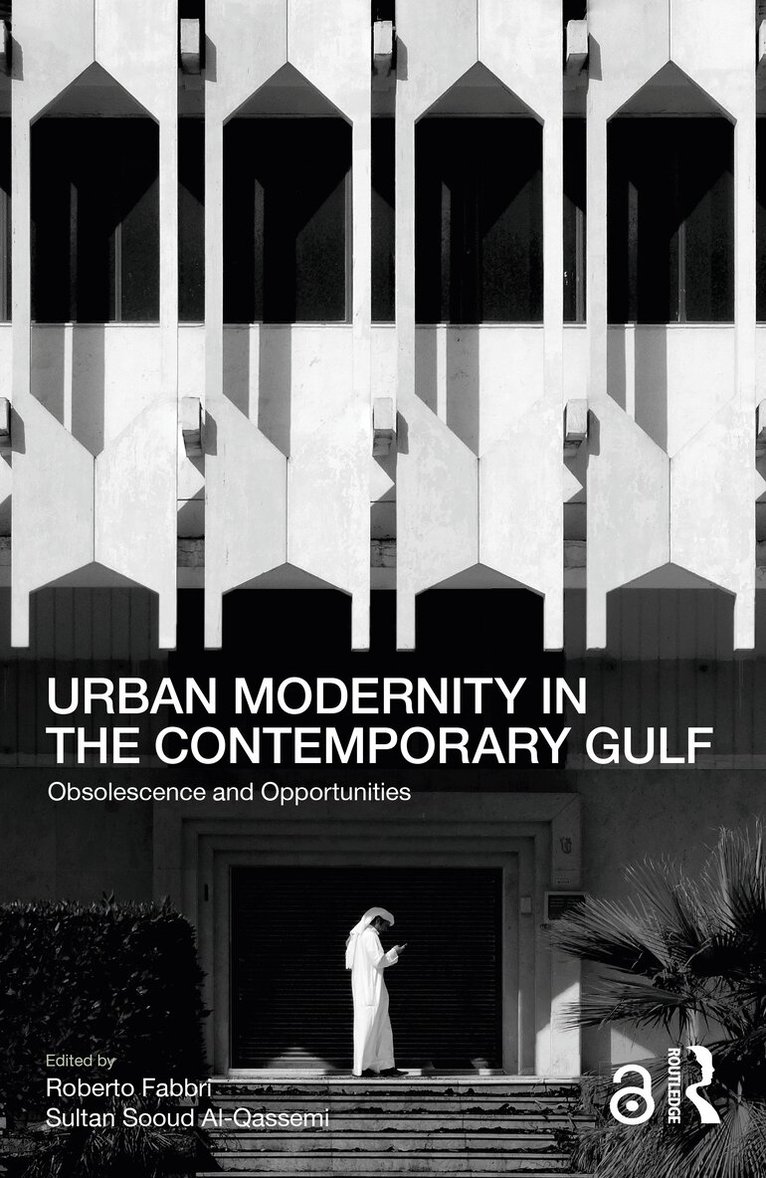
Urban Modernity in the Contemporary Gulf offers a timely and engaging discussion on architectural production in the modernization era in the Arabian Peninsula. Focusing on the 20th century as a starting point, the book explores the display of transnational architectural practices resulting in different notions of locality, cosmopolitanism, and modernity. Contextually, with an eye on the present, the book reflects on the initiatives that recently re-engaged with the once ville moderne which, meanwhile, lost its pivotal function and meaning.A city within a bigger city, the urban fabric produced during the modernization era has the potential to narrate the social growth, East–West dynamics, and citizens’ memories of the recent past. Reading obsolescence as an opportunity, the book looks into this topic from a cross-country perspective. It maps, reads and analyses the notion of modern heritage in relation to the contemporary city and looks beyond physical transformations to embrace cultural practices and strategies of urban re-appropriation. It interrogates the value of modern architecture in the non-West, examining how academic research is expanding the debate on Gulf urbanism, and describes how practices of reuse could foster rethinking neglected areas, also addressing land consumption in the GCC. Presenting a diverse and geographically inclusive authorship, which combines established and up-and-coming researchers in the field, this is an important reference for academics and upper-level students interested in heritage studies, post-colonial urbanism, and architecture in the non-West.The Open Access version of this book, available at www.taylorfrancis.com, has been made available under a Creative Commons Attribution-Non Commercial-No Derivatives 4.0 license.
Häftad, Engelska, 2023
686 kr
Skickas inom 10-15 vardagar
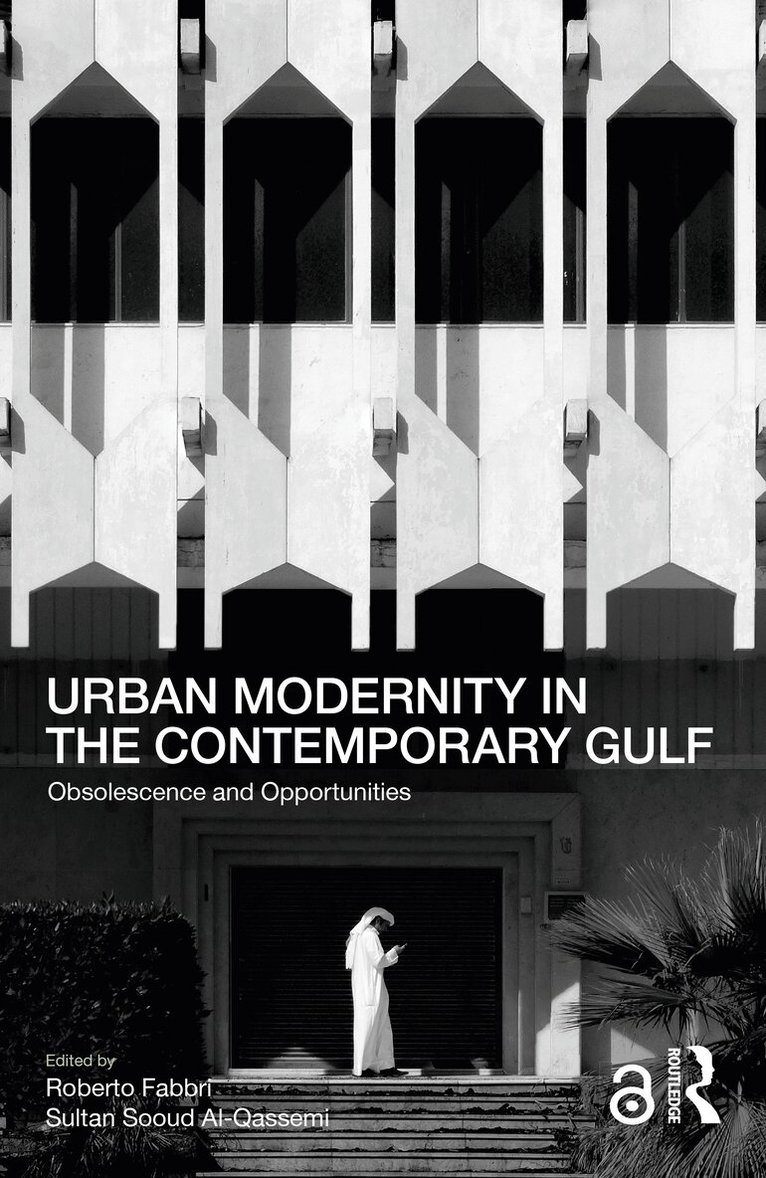
Urban Modernity in the Contemporary Gulf offers a timely and engaging discussion on architectural production in the modernization era in the Arabian Peninsula. Focusing on the 20th century as a starting point, the book explores the display of transnational architectural practices resulting in different notions of locality, cosmopolitanism, and modernity. Contextually, with an eye on the present, the book reflects on the initiatives that recently re-engaged with the once ville moderne which, meanwhile, lost its pivotal function and meaning.A city within a bigger city, the urban fabric produced during the modernization era has the potential to narrate the social growth, East–West dynamics, and citizens’ memories of the recent past. Reading obsolescence as an opportunity, the book looks into this topic from a cross-country perspective. It maps, reads and analyses the notion of modern heritage in relation to the contemporary city and looks beyond physical transformations to embrace cultural practices and strategies of urban re-appropriation. It interrogates the value of modern architecture in the non-West, examining how academic research is expanding the debate on Gulf urbanism, and describes how practices of reuse could foster rethinking neglected areas, also addressing land consumption in the GCC. Presenting a diverse and geographically inclusive authorship, which combines established and up-and-coming researchers in the field, this is an important reference for academics and upper-level students interested in heritage studies, post-colonial urbanism, and architecture in the non-West.The Open Access version of this book, available at www.taylorfrancis.com, has been made available under a Creative Commons Attribution-Non Commercial-No Derivatives 4.0 license.
Häftad, Engelska, 2016
348 kr
Skickas inom 5-8 vardagar
Häftad, Engelska, 2017
299 kr
Skickas inom 5-8 vardagar
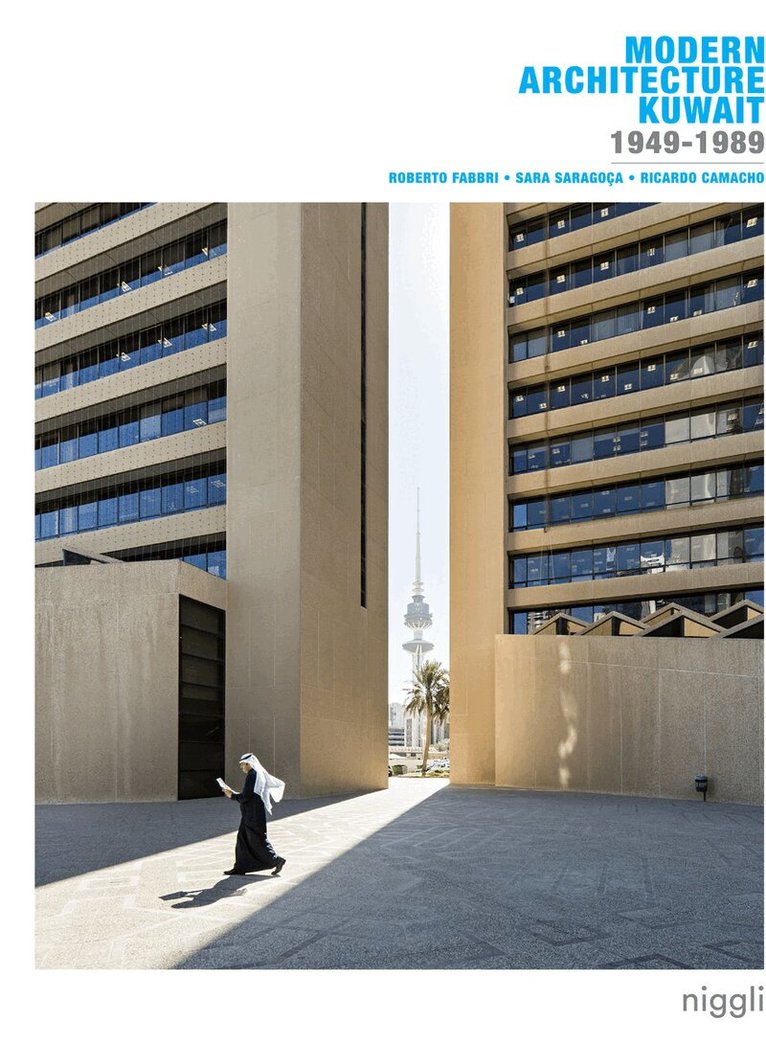
Between 1949 and 1989, remarkable buildings of late modernity were constructed in the coastal city of Kuwait. Within these four decades, the city state on the Arabian Gulf was comprehensively restructured and practically redesigned. Following a first volume with 150 carefully selected exemplary buildings, this second volume features interviews, essays and arguments, as well as transcripts of contemporary publications of these years. The texts from local and international scholars focus on questions regarding the significance and function of the buildings along with the role of individual and corporate protagonists that influenced, defined and created this highly dynamic restructuring process. Furthermore, all aspects are integrated into a wider regional and international context. The contributions are complemented by an extensive array of photographic, layout, and archive materials.