Roberto Garvía – författare
Visar alla böcker från författaren Roberto Garvía. Handla med fri frakt och snabb leverans.
6 produkter
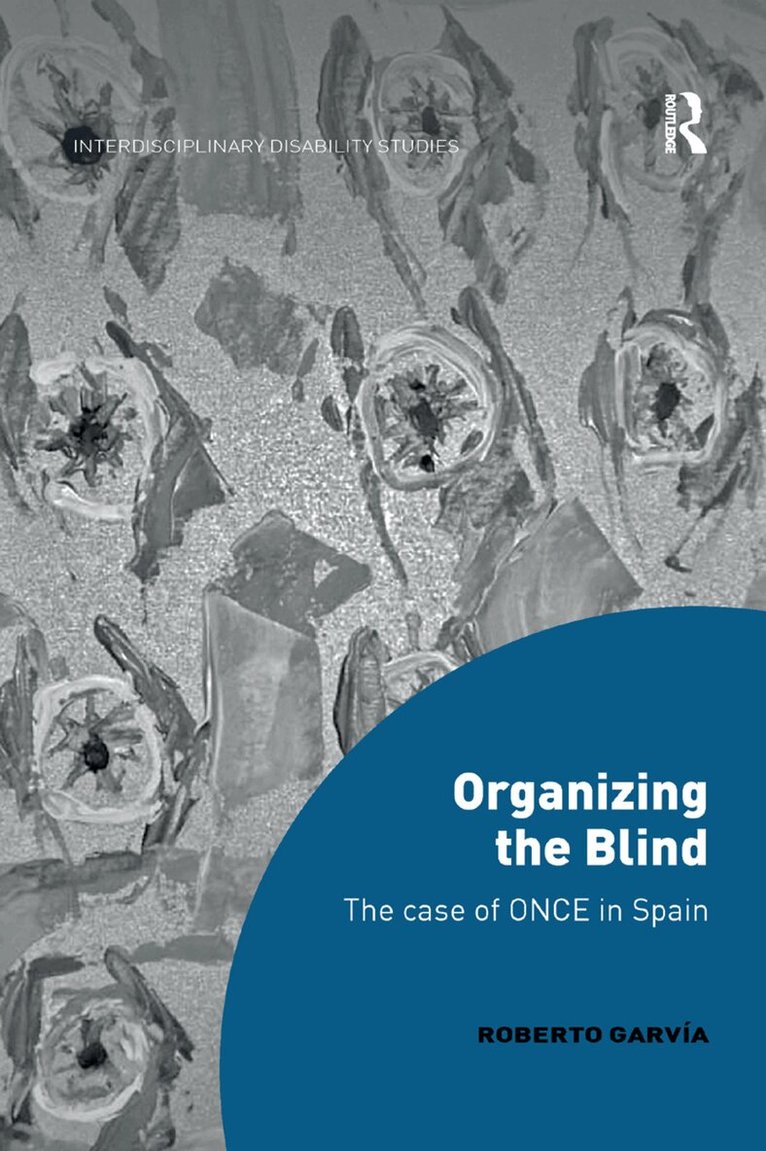
Organizing the Blind
The case of ONCE in Spain
Häftad, 2019
711 kr
Lägg i varukorg
This book is a case study which narrates the history of the National Organization of the Spanish Blind (ONCE), established in 1937 during the Spanish Civil War. Contrary to other affluent countries where most blind people live on welfare benefits, the Spanish blind enjoy full employment. …
Esperanto and Its Rivals
The Struggle for an International Language
Inbunden, 2015
763 kr
Lägg i varukorg
The problems of international communication and linguistic rights are recurring debates in the present-day age of globalization. But the debate truly began over a hundred years ago, when the increasingly interconnected world of the nineteenth century fostered a desire for the development of a …
Esperanto and Its Rivals
The Struggle for an International Language
E-bok, 2015
940 kr
Lägg i varukorg
The problems of international communication and linguistic rights are recurring debates in the present-day age of globalization. But the debate truly began over a hundred years ago, when the increasingly interconnected world of the nineteenth century fostered a desire for the development of a …
Organizing the Blind
The case of ONCE in Spain
E-bok, 2016
838 kr
Lägg i varukorg
This book is a case study which narrates the history of the National Organization of the Spanish Blind (ONCE), established in 1937 during the Spanish Civil War. Contrary to other affluent countries where most blind people live on welfare benefits, the Spanish blind enjoy full employment. …
Organizing the Blind
The case of ONCE in Spain
E-bok, 2016
814 kr
Lägg i varukorg
This book is a case study which narrates the history of the National Organization of the Spanish Blind (ONCE), established in 1937 during the Spanish Civil War. Contrary to other affluent countries where most blind people live on welfare benefits, the Spanish blind enjoy full employment. …
Organizing the Blind
The case of ONCE in Spain
Inbunden, 2016
2510 kr
Lägg i varukorg
This book is a case study which narrates the history of the National Organization of the Spanish Blind (ONCE), established in 1937 during the Spanish Civil War. Contrary to other affluent countries where most blind people live on welfare benefits, the Spanish blind enjoy full employment. …