Roberto Miccichè – författare
Visar alla böcker från författaren Roberto Miccichè. Handla med fri frakt och snabb leverans.
2 produkter
2 produkter
1 054 kr
Skickas inom 10-15 vardagar
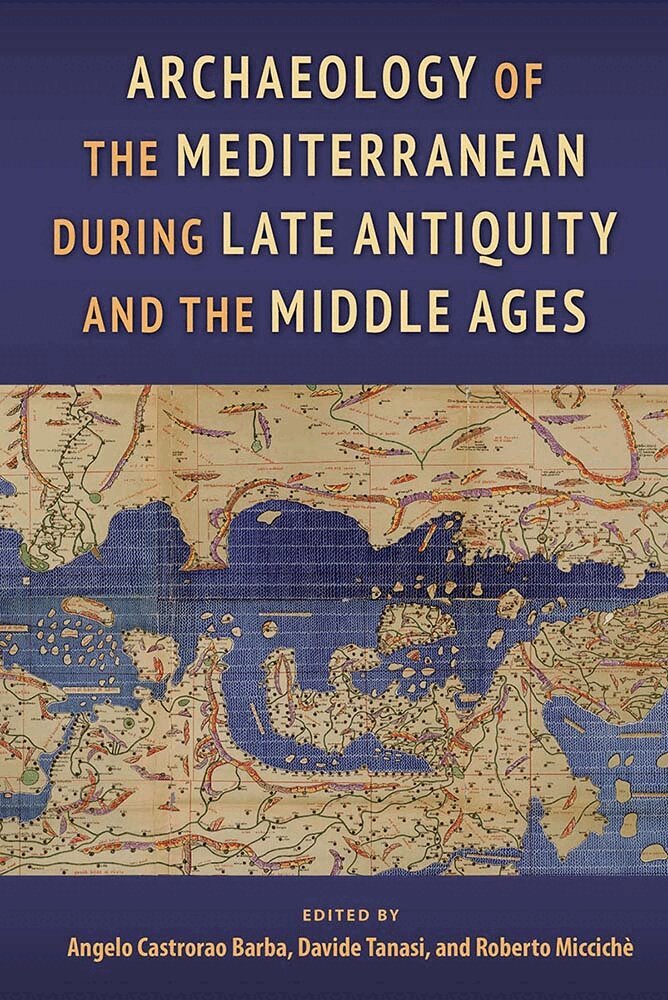
Varied approaches to an overlooked time period in the history and archaeology of the MediterraneanThis book presents multidisciplinary perspectives on Greece, Corsica, Malta, and Sicily from the fourth to the thirteenth centuries, an often-overlooked time in the history of the central Mediterranean.The research approaches and areas of specialization collected here range from material culture to landscape settlement patterns, from epigraphy to architecture and architectural decoration, and from funerary archaeology to urban fabric and cityscapes.Topics covered in these chapters include late Roman villas; the formation of Byzantine and Islamic settlements in western Sicily; re-use of protohistoric sites in late antiquity and the middle ages in eastern Sicily; early Christian landscapes and settlements in Corsica; the transition from late antiquity through Byzantine rule to Muslim conquest in Malta; trade network trajectories of the Aegean islands and Crete; and crosscultural interactions in medieval Greece. Together, these essays show the potential of post-Ancient and post-Classical archaeology, highlighting missing links between the Roman world and medieval Byzantium and broadening the horizons of new generations of archaeologists.
Zooarchaeology of Ancient Greek Sanctuaries in Southwestern Sicily
Faunal Analysis from Selinus and Akragas as Evidence of Differences in the Treatment of Animals for Ritual Purposes
Inbunden, Engelska, 2026
830 kr
Skickas
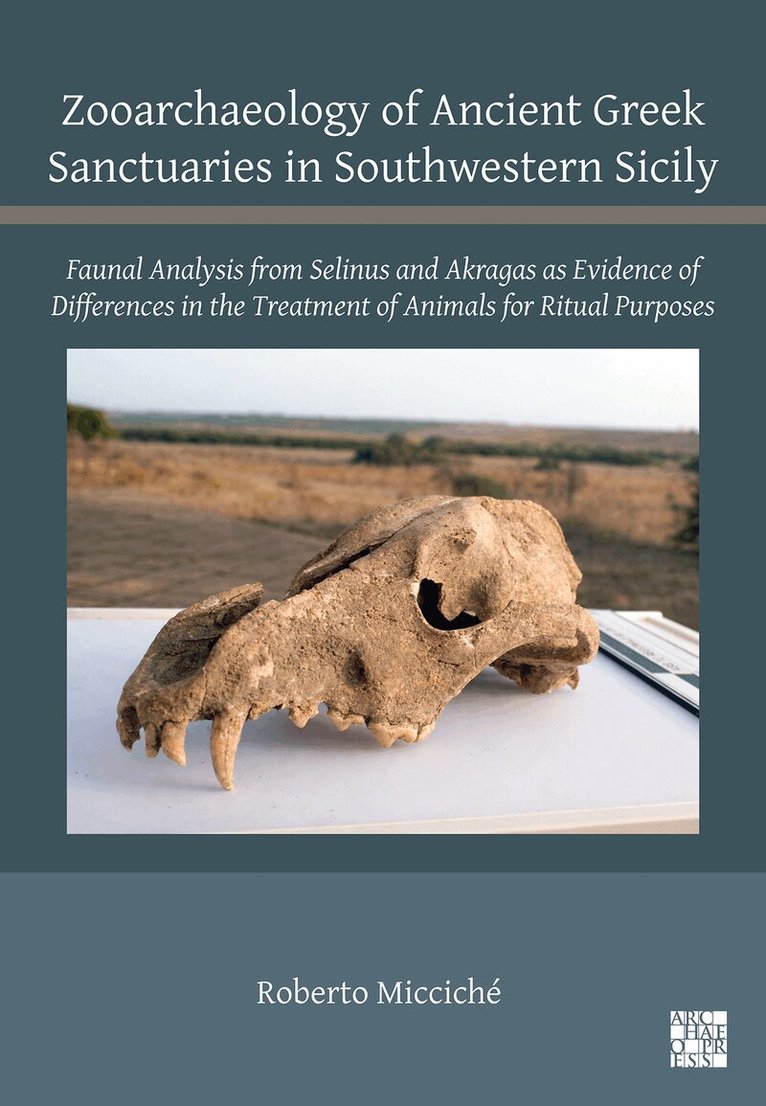
Zooarchaeology of Ancient Greek Sanctuaries in Southwestern Sicily addresses the topic of ancient Greek sacrificial practices that were performed in the western colonies of Sicily between the 7th and 3rd centuries BC. The approach is primarily centered on zooarchaeology, focusing on the analysis of faunal assemblages derived from three crucial sacred areas associated with the outstanding poleis of Selinus and Akragas. Adopting a comprehensive interdisciplinary approach, the study incorporates current methods in zooarchaeology alongside taphonomic investigations to explore how animals were used for ritual purposes. By repositioning animals within their central role in ancient sacrificial practice, the results have enriched our understanding of the various ritual activities that took place in Selinus and Akragas, providing a more complete view of how religious beliefs were expressed by the ancient inhabitants of these cities. The analyses have confirmed customary patterns of animal sacrifice as reported by literary and epigraphic sources (e.g. thysia and holocaust) as well as shedding light on less frequent ritual practices followed by ancient Greek communities (e.g. foundation sacrifices). Thanks to the large quantity of remains analyzed, the results go beyond the characterization of the sacrificial practice performed in the two poleis, providing significant insights from an extra-regional perspective involving the wider ancient Greek world. The book constitutes the first synthesis on the zooarchaeology of Greek Sicily, providing a substantial amount of new data which fills a noted void in zooarchaeological research due to the still limited use of faunal assemblage analysis in defining the religious landscape of ancient Greek Sicily.