Roberto Piazza – författare
868 kr
Skickas inom 10-15 vardagar
1 108 kr
Läs direkt efter köp
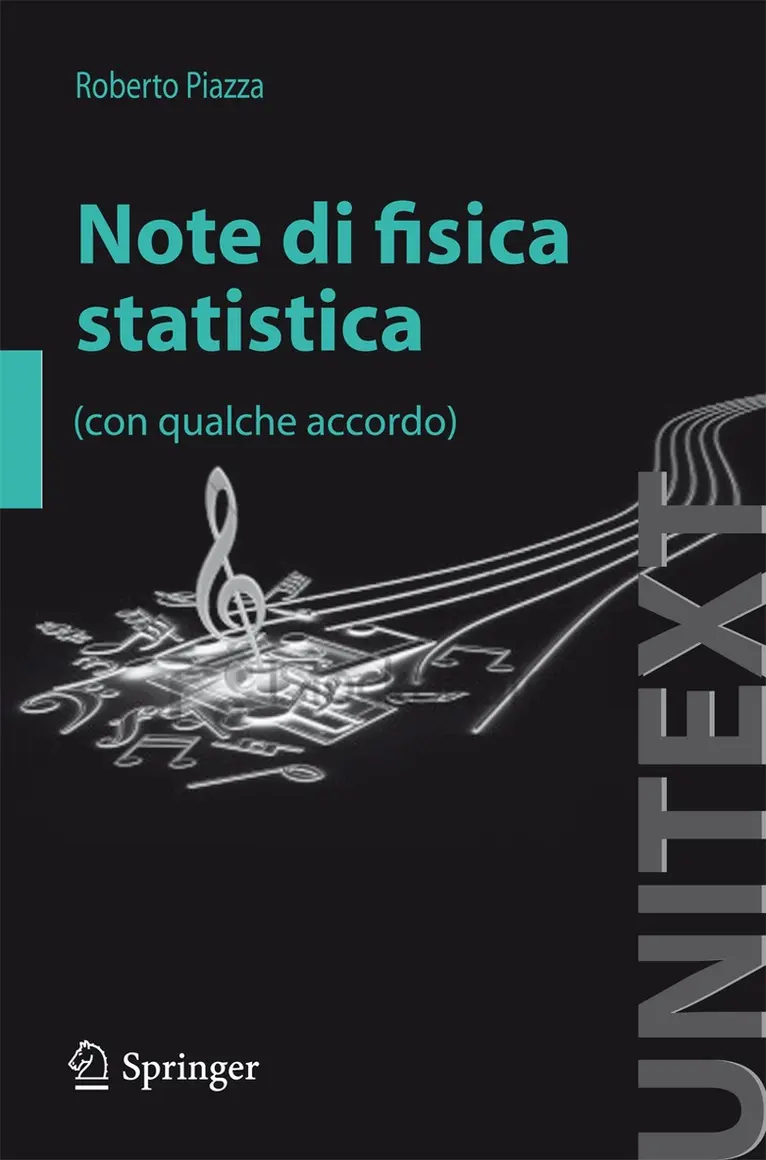
This book is an introduction to probability, statistics, data analysis, and hypothesis testing in physics. It is designed to be taught at different levels, from basic to advanced, and to be enjoyed by anyone doing research in the physical sciences or related subjects. It aims to be a companion in a journey leading the reader to appreciate and enjoy the major role of these subjects in all aspects of the physical sciences. With specific examples, the book encourages readers to meditate on the distinctive meaning of probability in classical and quantum physics. The author draws on his teaching experience in statistical physics and data analysis, as well as his research work in fields like complex systems and soft matter, to provide a comprehensive introduction to statistical methods.
653 kr
Skickas inom 10-15 vardagar
537 kr
Skickas inom 5-8 vardagar
687 kr
Läs direkt efter köp
379 kr
Skickas inom 5-8 vardagar
330 kr
Skickas inom 10-15 vardagar
317 kr
Läs direkt efter köp
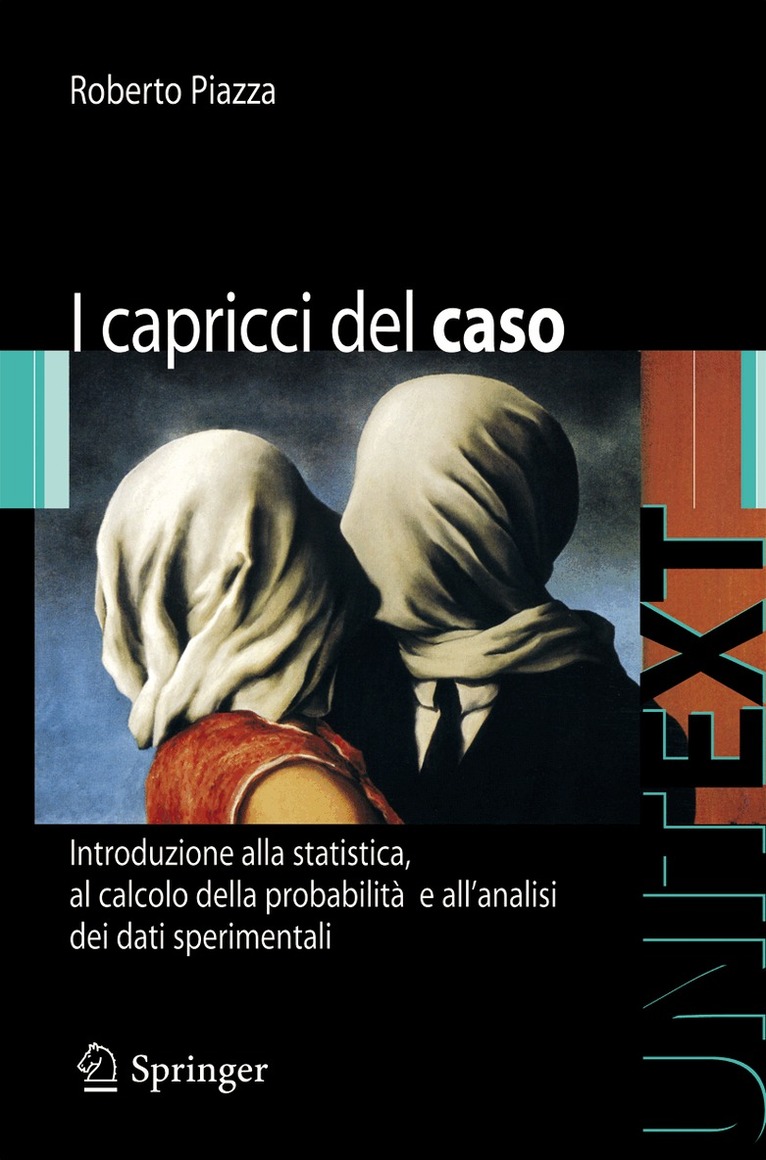
Questo libro, che nasce dall’esperienza didattica accumulata dall’autore nell’insegnamento dei metodi sperimentali, si propone di fornire un’introduzione al calcolo delle probabilità e alla teoria degli errori facendo uso di uno stile di presentazione volutamente informale e traendo spunto da concrete applicazioni sperimentali, spesso attraverso esempi di notevole importanza storica. Così, per esempio, argomenti quali il moto browniano, la diffusione di luce, il decadimento radioattivo, la fisiologia della visione, le statistiche quantistiche e di fotorivelazione, vengono utilizzati per delucidare concetti chiave dell’analisi statistica e probabilistica.
254 kr
Skickas inom 10-15 vardagar
211 kr
Läs direkt efter köp
653 kr
Skickas inom 5-8 vardagar
251 kr
Läs direkt efter köp
352 kr
Skickas inom 10-15 vardagar
475 kr
Läs direkt efter köp
Roberto Piazza says: “Physics should be made simple enough to be amusing, but not so trivial as to spoil the fun.” This is exactly the approach of this book in making the science of ‘soft matter’ relevant to everyday life things such as the food we eat, the plastic we use, the concrete we build with, the cells we are made of.