Roberto Scatena – Författare
Visar alla böcker från författaren Roberto Scatena. Handla med fri frakt och snabb leverans.
6 produkter
6 produkter
1 637 kr
Skickas inom 10-15 vardagar
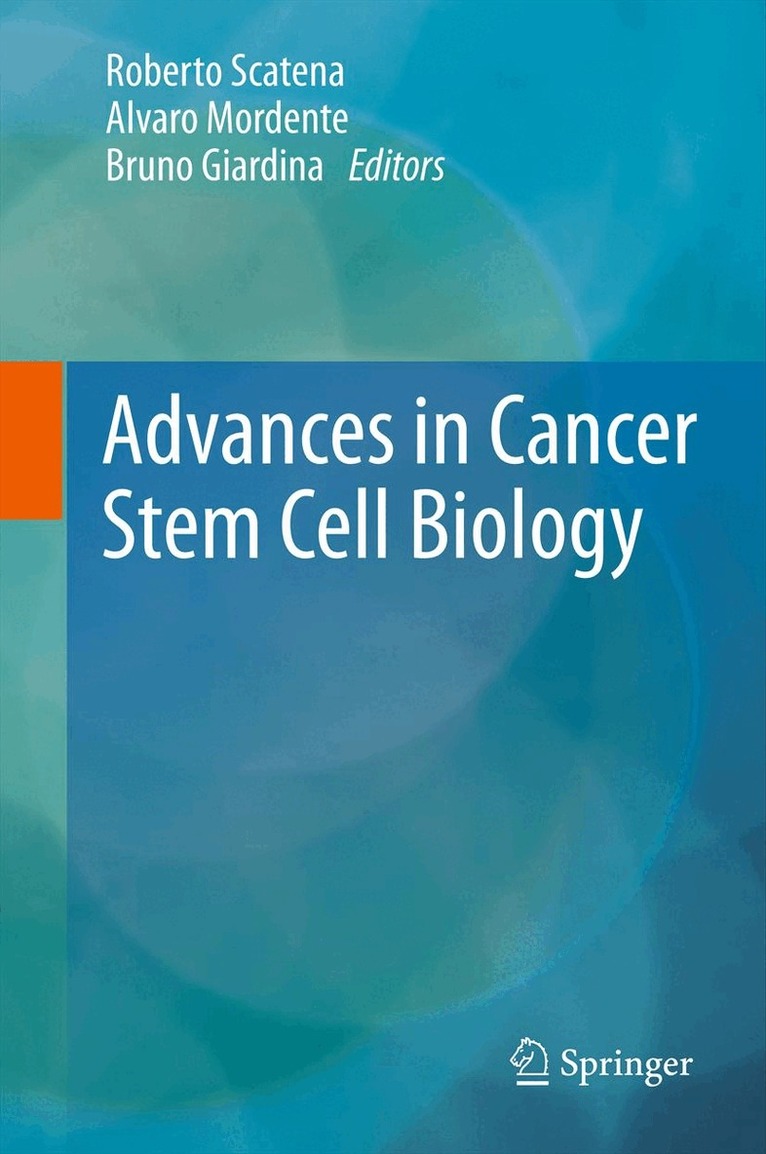
In recent years, cancer stem cells have been recognized as important component in carcinogenesis and they seem to form the basis of many (if not all) tumor types. Cancer stem cells or "cancer cell like stem cells" have been isolated from various cancers of different origin (blood, breast, brain, skin, head and neck, thyroid, cervix, lung, retina, colon, pancreas and so on). Cancer stem cells - rare cells with indefinite proliferative potential that drive the formation and growth of tumours- seem to show intriguing relationships with physiological stem cells. Specifically, these cancer cells show significant similarities in the mechanisms that regulate self-renewal of normal stem cells. Moreover, tumour cells might directly arise from normal stem cells. Further, the cellular biology of cancer stem cells show a lot of similarities with normal stem cells.
1 637 kr
Skickas inom 10-15 vardagar
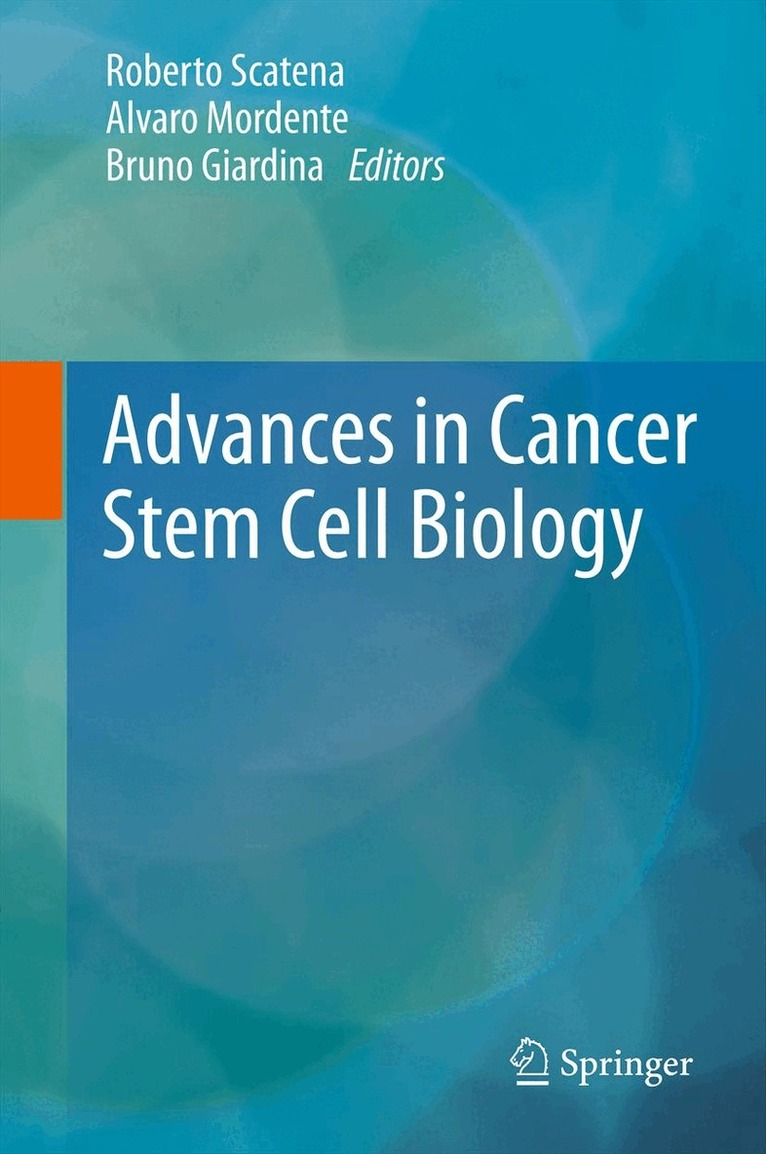
In recent years, cancer stem cells have been recognized as important component in carcinogenesis and they seem to form the basis of many (if not all) tumor types. Cancer stem cells or "cancer cell like stem cells" have been isolated from various cancers of different origin (blood, breast, brain, skin, head and neck, thyroid, cervix, lung, retina, colon, pancreas and so on). Cancer stem cells - rare cells with indefinite proliferative potential that drive the formation and growth of tumours- seem to show intriguing relationships with physiological stem cells. Specifically, these cancer cells show significant similarities in the mechanisms that regulate self-renewal of normal stem cells. Moreover, tumour cells might directly arise from normal stem cells. Further, the cellular biology of cancer stem cells show a lot of similarities with normal stem cells.
Del 942 - Advances in Experimental Medicine and Biology
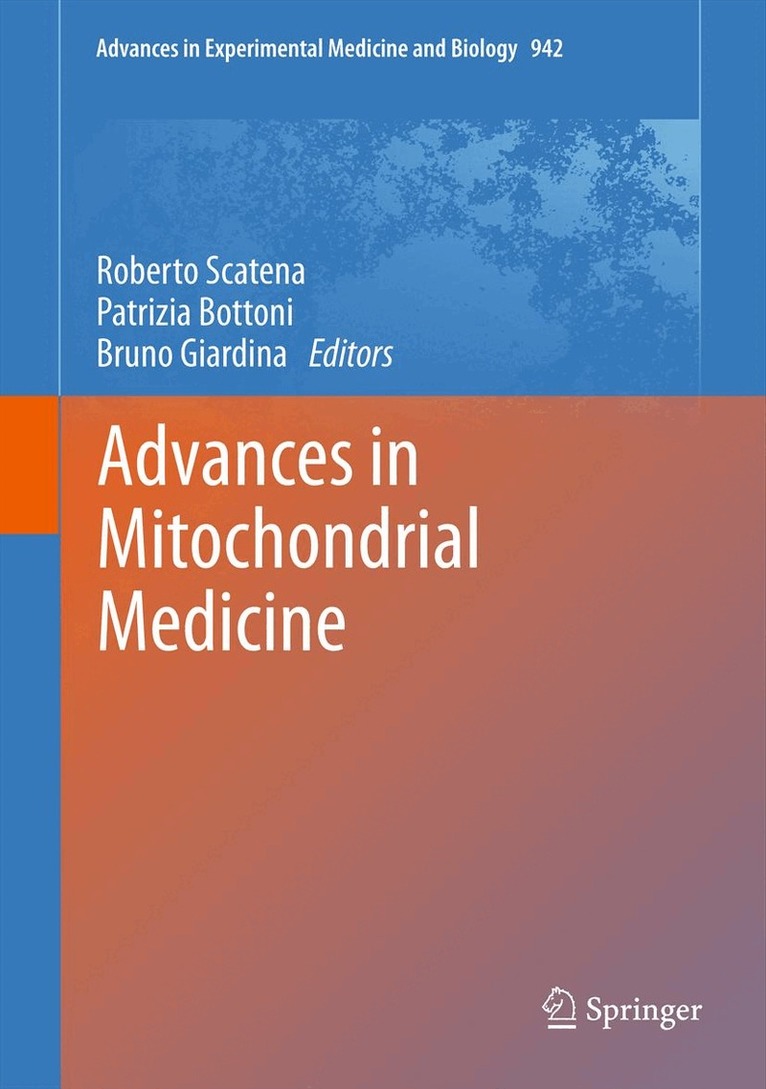
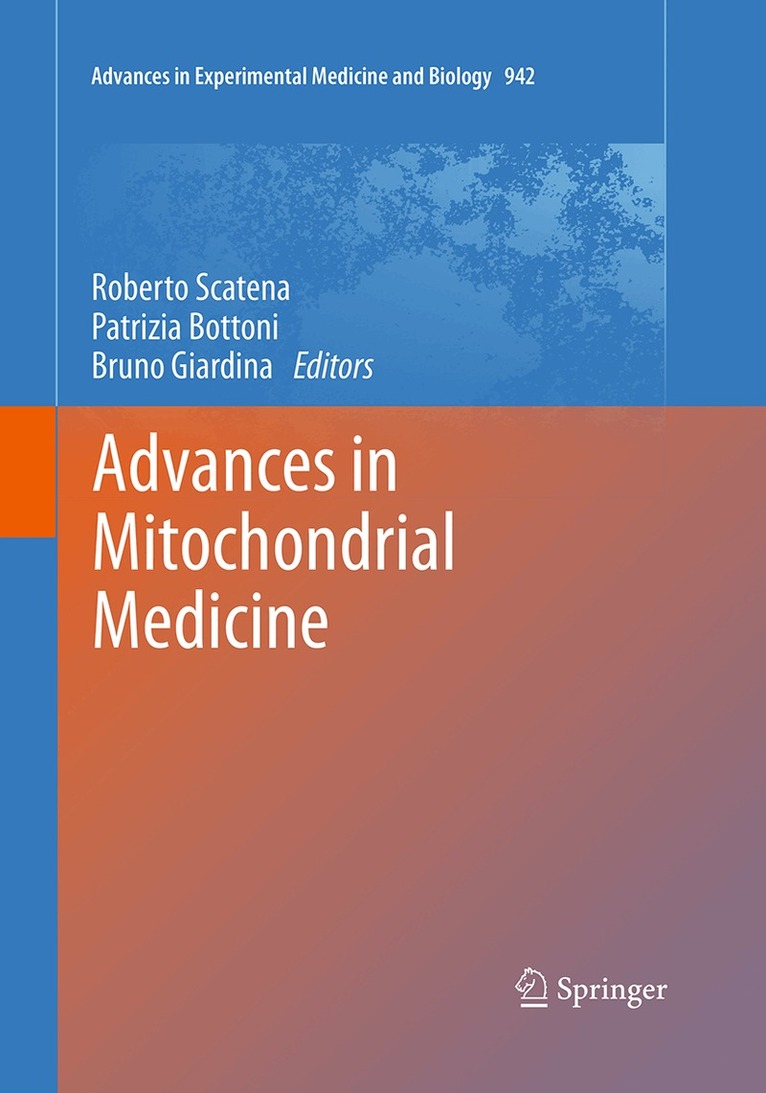
Advances in Mitochondrial Medicine
Inbunden, Engelska, 2012
2 180 kr
Skickas inom 10-15 vardagar
Mitochondria are far more than the “powerhouse” of the cell as they have classically been described. In fact, mitochondria biological activities have progressively expanded to include not only various bioenergetic processes but also important biosynthetic pathways, calcium homeostasis and thermogenesis, cell death by apoptosis, several different signal transduction pathways mainly related to redox control of gene expression and so on. This functional and structural complexity may undergo important derangements so to justify the definition of ‘mitochondrial medicine’, which should include all the clinical consequences of congenital or acquired mitochondrial dysfunctions. There are actually a growing number of studies which assign a significant pathogenic role to damaged mitochondria in different diseases: ischemia/reperfusion injury, neurodegenerative diseases, cancer with its dramatic sequelae (i.e, metastasis), metabolic syndrome, hyperlipidemias, just to mention a few of the most important pathologies. In this context, a further aspect that should not be disregarded is the interaction of pharmacological agents with mitochondria, not only in regard of the toxicological aspects but, above all, of the potential therapeutic applications. In fact, it is interesting to note that, while the properties of different so-called “mitoxicants” are well-known, the subtle linkages between drugs and mitochondria is still in need of a real pharmacological and therapeutic control at the clinical level. This lack of consideration can often lead to an underestimation of unwanted toxic effects but also of desirable therapeutic activities. A reevaluation of the potential clinical role of mitochondria could give a new light on some yet obscure aspects of human pathophysiology.
Del 867 - Advances in Experimental Medicine and Biology
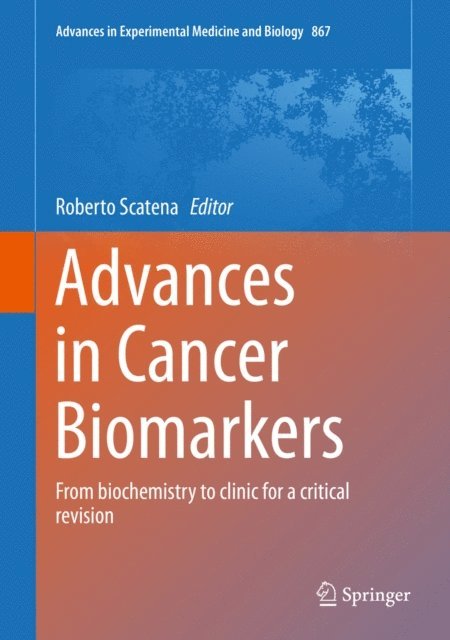
Advances in Cancer Biomarkers
From biochemistry to clinic for a critical revision
Inbunden, Engelska, 2015
1 637 kr
Skickas inom 10-15 vardagar
At present there are a growing number of biomolecules under investigation to understand their potential role as cancer biomarker for diagnostic, prognostic and therapeutic purposes. Intriguingly, the state of art on cancer biomarkers research shows interesting and promising results together to clamorous failures. Also from a clinical point of view, there are contradictory results on routine clinical use of the present cancer biomarkers. Some patients may be simply monitored in their course by a periodic blood sample, but sometimes this monitoring shows dramatic limits. A lot of patients show serious and extensive relapses without significant change in serum concentrations of biomarkers tested. Often the physician who should utilize these biomarker does not entirely know their limits and the total potential applications as well and sometimes this knowledge is influenced by economical and marketing strategies. This limited and “polluted” knowledge may have dramatic consequences for patient. The aim of this book is to diffuse all aspects of cancer biomarkers, from their biochemical peculiarities to all clinical implications by passing through their physiology and pathophysiology.This critical approach towards old and new cancer biomarkers should foster a deepened and useful understanding of the diagnostic and prognostic index of these fundamental parameters of laboratory medicine and in the same time facilitating the research of new and more sensitive-specific signals of the cancer cell proliferation.
Del 867 - Advances in Experimental Medicine and Biology
Advances in Cancer Biomarkers
From biochemistry to clinic for a critical revision
Häftad, Engelska, 2016
1 202 kr
Skickas inom 10-15 vardagar
At present there are a growing number of biomolecules under investigation to understand their potential role as cancer biomarker for diagnostic, prognostic and therapeutic purposes. Intriguingly, the state of art on cancer biomarkers research shows interesting and promising results together to clamorous failures. Also from a clinical point of view, there are contradictory results on routine clinical use of the present cancer biomarkers. Some patients may be simply monitored in their course by a periodic blood sample, but sometimes this monitoring shows dramatic limits. A lot of patients show serious and extensive relapses without significant change in serum concentrations of biomarkers tested. Often the physician who should utilize these biomarker does not entirely know their limits and the total potential applications as well and sometimes this knowledge is influenced by economical and marketing strategies. This limited and “polluted” knowledge may have dramatic consequences for patient. The aim of this book is to diffuse all aspects of cancer biomarkers, from their biochemical peculiarities to all clinical implications by passing through their physiology and pathophysiology.This critical approach towards old and new cancer biomarkers should foster a deepened and useful understanding of the diagnostic and prognostic index of these fundamental parameters of laboratory medicine and in the same time facilitating the research of new and more sensitive-specific signals of the cancer cell proliferation.
Del 942 - Advances in Experimental Medicine and Biology
Advances in Mitochondrial Medicine
Häftad, Engelska, 2016
2 180 kr
Skickas inom 10-15 vardagar
Mitochondria are far more than the “powerhouse” of the cell as they have classically been described. In fact, mitochondria biological activities have progressively expanded to include not only various bioenergetic processes but also important biosynthetic pathways, calcium homeostasis and thermogenesis, cell death by apoptosis, several different signal transduction pathways mainly related to redox control of gene expression and so on. This functional and structural complexity may undergo important derangements so to justify the definition of ‘mitochondrial medicine’, which should include all the clinical consequences of congenital or acquired mitochondrial dysfunctions. There are actually a growing number of studies which assign a significant pathogenic role to damaged mitochondria in different diseases: ischemia/reperfusion injury, neurodegenerative diseases, cancer with its dramatic sequelae (i.e, metastasis), metabolic syndrome, hyperlipidemias, just to mention a few of the most important pathologies. In this context, a further aspect that should not be disregarded is the interaction of pharmacological agents with mitochondria, not only in regard of the toxicological aspects but, above all, of the potential therapeutic applications. In fact, it is interesting to note that, while the properties of different so-called “mitoxicants” are well-known, the subtle linkages between drugs and mitochondria is still in need of a real pharmacological and therapeutic control at the clinical level. This lack of consideration can often lead to an underestimation of unwanted toxic effects but also of desirable therapeutic activities. A reevaluation of the potential clinical role of mitochondria could give a new light on some yet obscure aspects of human pathophysiology.