Roberto Valcarcel Rojas – författare
Visar alla böcker från författaren . Handla med fri frakt och snabb leverans.
2 produkter
2 produkter
E-bok
PDF, Engelska, 20161 471 kr
Läs direkt efter köp
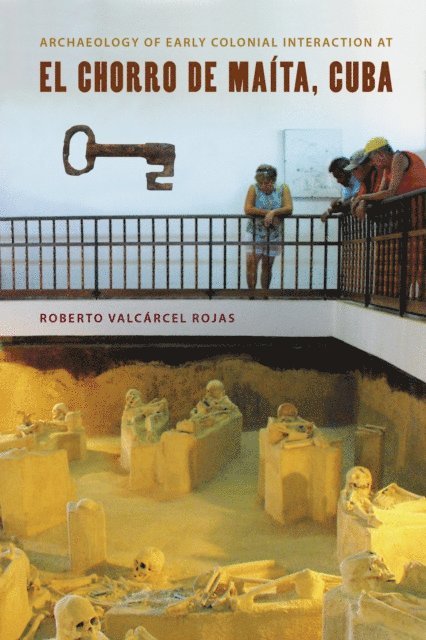
"This book, a true milestone in the archaeology of the Greater Antilles, presents a bold new synthesis and interpretation of El Chorro de Maíta, a native Cuban Indian town caught up in the political and economic domination of the early colonial world."--Vernon James Knight Jr., author of Iconographic Method in New World Prehistory "Provides a deeper and well-documented understanding of the role of the aboriginal ‘Indo-Cubans’ in an early colonial context that stimulated the development of a Cuban national identity."--José R. Oliver, author of Caciques and Cemí IdolsDuring Spanish colonization of the Greater Antilles, the islands’ natives were forced into labor under the encomienda system. The indigenous people became "Indios," their language, appearance, and identity transformed by the domination imposed by a foreign model that Christianized and "civilized" them. Yet El Chorro de Maíta retained many of its indigenous characteristics.In this volume--one of the first in English to examine and document an archaeological site in Cuba--Roberto Valcárcel Rojas analyzes the construction of colonial authority and the various attitudes and responses of natives and other ethnic groups. His pioneering study reveals the process of transculturation in which new individuals emerged--Indians, mestizos, criollos--and helps construct the vital link between the pre-Columbian world and the development of an integrated and new history.Roberto Valcárcel Rojas is a researcher for the Cuban Ministry of Science''s Department of Central-Eastern Archaeology and a postdoctoral researcher at Leiden University.
Inbunden, Engelska, 2016
984 kr
Skickas inom 10-15 vardagar
During Spanish colonization of the Greater Antilles, the islands' natives were forced into labor under the encomienda system. The indigenous people became ""Indios,"" their language, appearance, and identity transformed by the domination imposed by a foreign model that Christianized and ""civilized"" them. Yet El Chorro de Maíta retained many of its indigenous characteristics.In this volume-one of the first in English to examine and document an archaeological site in Cuba-Roberto Valcárcel Rojas analyzes the construction of colonial authority and the various attitudes and responses of natives and other ethnic groups. His pioneering study reveals the process of transculturation in which new individuals emerged-Indians, mestizos, criollos-and helps construct the vital link between the pre-Columbian world and the development of an integrated and new history.