

When Robin Lustig’s mother died in 2013, he found himself drawn back into the tangled history of his German-Jewish family -- a story of survival, exile, death and endurance. And the Cello Came Too is both a personal memoir and a family chronicle, spanning centuries of Jewish life in Europe, its near-destruction under the Nazis and its slow rebirth in the years after the Second World War.At its heart is the award-winning journalist and broadcaster’s father, Fritz Lustig, a refugee from Berlin whose cello accompanied him through upheaval, war and a new life in Britain. From Enlightenment rabbis and pioneering journalists to the ‘Three Old Ladies’ who helped to shape his childhood, Lustig pieces together a sweeping narrative from letters, memoirs, and memory.This is a history not just of persecution but also of resilience and continuity -- of lives rebuilt, music played, and stories reclaimed. Moving, intimate, and meticulously researched, And the Cello Came Too shows how one family’s journey can illuminate the universal struggle to survive, remember, and belong.
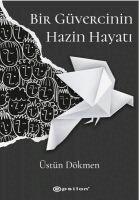
Bir mayıs günü, Ankara’daki Kumrular Sokak’ta bir güvercin, üçüncü kattaki bir evin balkonuna kondu. Yaman adındaki bir çocuk o güvercini fark etti. Güvercinin ayağına bir saç dolandığı için yaralanmıştı. Ve bu güvercin birden Türkiye’de yeni bir gündemin başlangıcı oldu... Önce bu kuşun ne olduğu tartışıldı, sonra bu saçın kime ait olduğukonuşuldu. Buradan kim ne demiş, kim kime laf atmış diye mevzu uzadı gitti. Tüm konular unutuldu, tüm yaşananlar geride kaldı. Gündemde tek şey vardı: Ayağına saç dolanmış güvercin! Prof. Dr. Üstün Dökmen’den bir güvercinden yola çıkarak Türkiyegerçeklerini anlattığı çarpıcı bir hikâye: Bir Güvercinin Hazin Hayatı...Aile, ilişkiler, gençlerin ve kadınların sorunları anlatılıyor, toplumsalproblemler bir bir gözler önüne seriliyor. Bu sırada bir güvercinhayatımızdan geçip gidiyor...
When Robin Lustig’s mother died in 2013, he found himself drawn back into the tangled history of his German-Jewish family -- a story of survival, exile, death and endurance. And the Cello Came Too is both a personal memoir and a family chronicle, spanning centuries of Jewish life in Europe, its near-destruction under the Nazis and its slow rebirth in the years after the Second World War.At its heart is the award-winning journalist and broadcaster’s father, Fritz Lustig, a refugee from Berlin whose cello accompanied him through upheaval, war and a new life in Britain. From Enlightenment rabbis and pioneering journalists to the ‘Three Old Ladies’ who helped to shape his childhood, Lustig pieces together a sweeping narrative from letters, memoirs, and memory.This is a history not just of persecution but also of resilience and continuity -- of lives rebuilt, music played, and stories reclaimed. Moving, intimate, and meticulously researched, And the Cello Came Too shows how one family’s journey can illuminate the universal struggle to survive, remember, and belong.
Bir mayıs günü, Ankara’daki Kumrular Sokak’ta bir güvercin, üçüncü kattaki bir evin balkonuna kondu. Yaman adındaki bir çocuk o güvercini fark etti. Güvercinin ayağına bir saç dolandığı için yaralanmıştı. Ve bu güvercin birden Türkiye’de yeni bir gündemin başlangıcı oldu... Önce bu kuşun ne olduğu tartışıldı, sonra bu saçın kime ait olduğukonuşuldu. Buradan kim ne demiş, kim kime laf atmış diye mevzu uzadı gitti. Tüm konular unutuldu, tüm yaşananlar geride kaldı. Gündemde tek şey vardı: Ayağına saç dolanmış güvercin! Prof. Dr. Üstün Dökmen’den bir güvercinden yola çıkarak Türkiyegerçeklerini anlattığı çarpıcı bir hikâye: Bir Güvercinin Hazin Hayatı...Aile, ilişkiler, gençlerin ve kadınların sorunları anlatılıyor, toplumsalproblemler bir bir gözler önüne seriliyor. Bu sırada bir güvercinhayatımızdan geçip gidiyor...