Robin Maria Valeri - Böcker
Visar alla böcker från författaren Robin Maria Valeri. Handla med fri frakt och snabb leverans.
6 produkter
6 produkter
531 kr
Skickas inom 10-15 vardagar
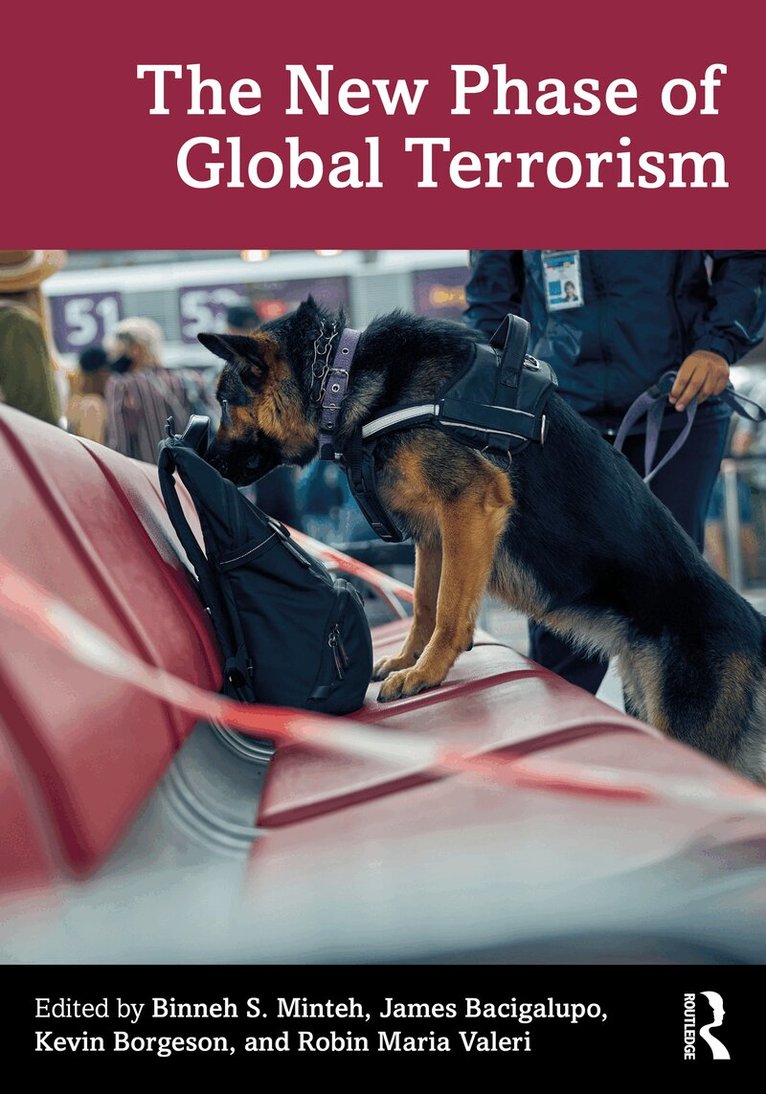
The New Phase of Global Terrorism explores the nuances of the shift in the organization, strategy, and operation of terrorist groups into smaller and more robust terror groups in both the United States and international levels. To develop efficient counterterrorism measures, both domestically and globally, an understanding of the changing nature of terrorist group structure and strategy is essential. In this edited collection, authoritative scholars use relevant theories of sociology and psychology, as well as evidence from leading counterterrorism agencies such as the FBI, to support analysis, examples, and explanations of the landscape of terrorism around the world.Part I discusses the evolution, theories, and psychology of terrorism. In this part, the authors outline the rationale of the book, capturing how terrorism has changed over the years. In Part II, the book explores the new phase of domestic terrorism, drawing on left-wing extremism, right-wing extremism, and jihadist attackers in the United States with a focus on their use of lone actor attacks and decentralized networks. Part III focuses on the new phase of international terrorism and discusses operational organization and strategies of international terror groups and their capabilities in the form of combat operations and small group operatives in Sub-Saharan Africa, the Middle East, and South-East Asia. Part IV covers terrorists' use of technology for propaganda, recruitment, training, and operations, with examples from the use of technology in recruiting and training by Al-Qaeda and Islamic State in Iraq and Syria (ISIS). Part V brings this information together and analyzes the criminal justice response, including building partnerships with counterterrorism agencies, intelligence sharing, and the use of courts to bring terrorist actors to justice.Ideal as a text in terrorism, counterterrorism, and homeland security courses, this book is highly readable for criminal justice, psychology, and sociology students and professors, as well as policymakers and practitioners concerned with countering terrorism at home and abroad.
1 944 kr
Skickas inom 10-15 vardagar
The New Phase of Global Terrorism explores the nuances of the shift in the organization, strategy, and operation of terrorist groups into smaller and more robust terror groups in both the United States and international levels. To develop efficient counterterrorism measures, both domestically and globally, an understanding of the changing nature of terrorist group structure and strategy is essential. In this edited collection, authoritative scholars use relevant theories of sociology and psychology, as well as evidence from leading counterterrorism agencies such as the FBI, to support analysis, examples, and explanations of the landscape of terrorism around the world.Part I discusses the evolution, theories, and psychology of terrorism. In this part, the authors outline the rationale of the book, capturing how terrorism has changed over the years. In Part II, the book explores the new phase of domestic terrorism, drawing on left-wing extremism, right-wing extremism, and jihadist attackers in the United States with a focus on their use of lone actor attacks and decentralized networks. Part III focuses on the new phase of international terrorism and discusses operational organization and strategies of international terror groups and their capabilities in the form of combat operations and small group operatives in Sub-Saharan Africa, the Middle East, and South-East Asia. Part IV covers terrorists' use of technology for propaganda, recruitment, training, and operations, with examples from the use of technology in recruiting and training by Al-Qaeda and Islamic State in Iraq and Syria (ISIS). Part V brings this information together and analyzes the criminal justice response, including building partnerships with counterterrorism agencies, intelligence sharing, and the use of courts to bring terrorist actors to justice.Ideal as a text in terrorism, counterterrorism, and homeland security courses, this book is highly readable for criminal justice, psychology, and sociology students and professors, as well as policymakers and practitioners concerned with countering terrorism at home and abroad.
2 792 kr
Skickas inom 10-15 vardagar
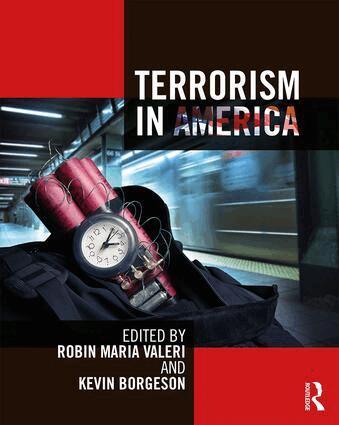
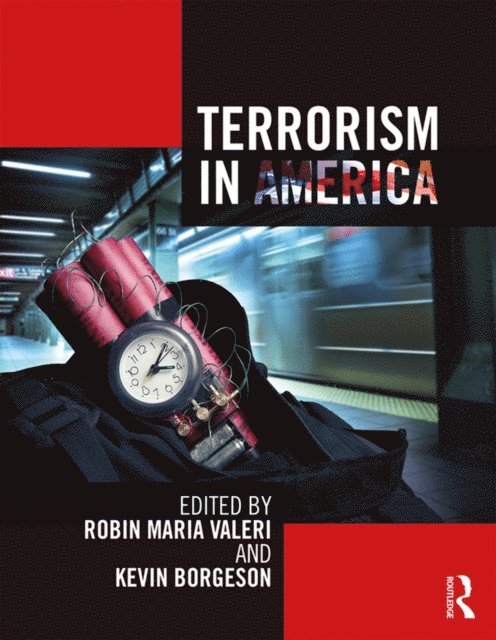
Offering a fresh perspective on the changing face of terror attacks, Terrorism in America focuses on domestic groups, examining the beliefs, actions, and impacts of American-based terrorists and terror organizations. Editors Robin Valeri and Kevin Borgeson and their contributors draw on theories from criminology, psychology, and sociology to explore the ideologies of right-wing, left-wing, and extremist religious groups—how and why they convert followers, recruit financially, and take extreme action against others. No competing text offers such in-depth and nuanced coverage of the radical ideologies behind these attacks, or the ensuing fear domestic terrorism creates, as well as the strategies to combat violent extremism.A core text for domestic terrorism courses and an excellent supplement for any counterterrorism or homeland security course, Terrorism in America brings its singular focus to the growth and evolution of terrorism in the United States. Interviews, case studies from the field, and chapter themes make this a highly readable text for criminal justice, psychology, sociology, and homeland security students, professors, or practitioners.
768 kr
Skickas inom 10-15 vardagar
Offering a fresh perspective on the changing face of terror attacks, Terrorism in America focuses on domestic groups, examining the beliefs, actions, and impacts of American-based terrorists and terror organizations. Editors Robin Valeri and Kevin Borgeson and their contributors draw on theories from criminology, psychology, and sociology to explore the ideologies of right-wing, left-wing, and extremist religious groups—how and why they convert followers, recruit financially, and take extreme action against others. No competing text offers such in-depth and nuanced coverage of the radical ideologies behind these attacks, or the ensuing fear domestic terrorism creates, as well as the strategies to combat violent extremism.A core text for domestic terrorism courses and an excellent supplement for any counterterrorism or homeland security course, Terrorism in America brings its singular focus to the growth and evolution of terrorism in the United States. Interviews, case studies from the field, and chapter themes make this a highly readable text for criminal justice, psychology, sociology, and homeland security students, professors, or practitioners.
1 076 kr
Skickas inom 10-15 vardagar
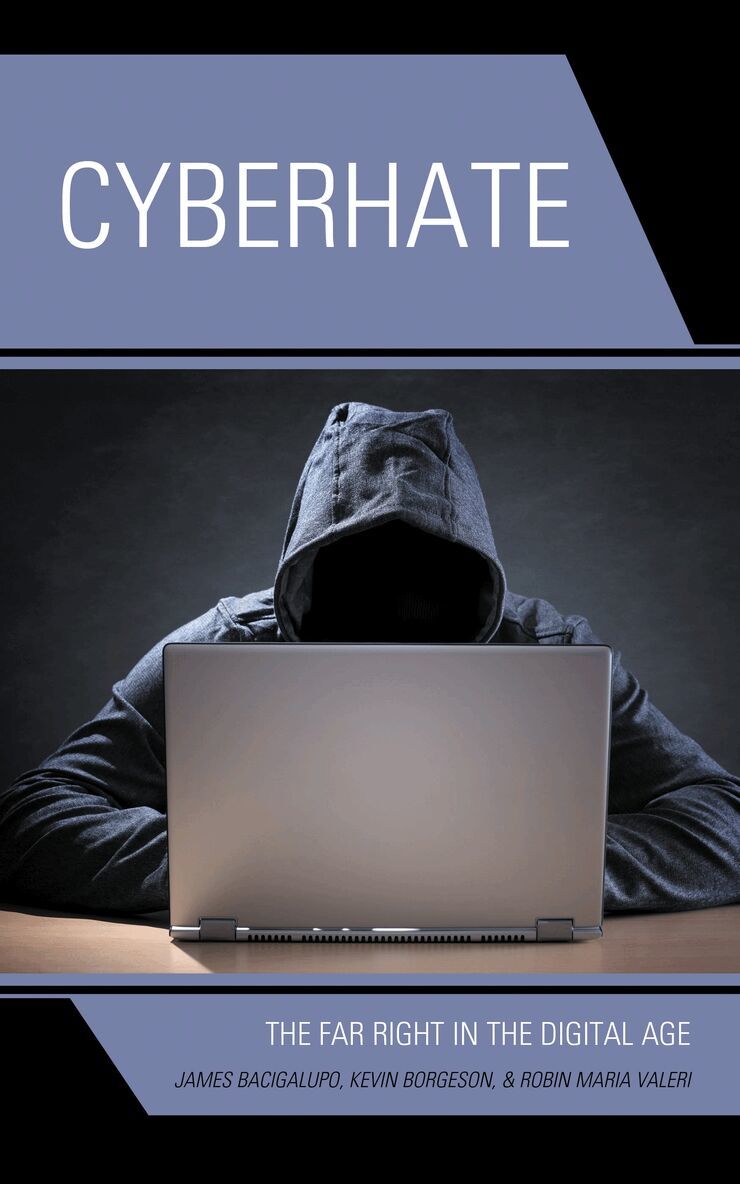
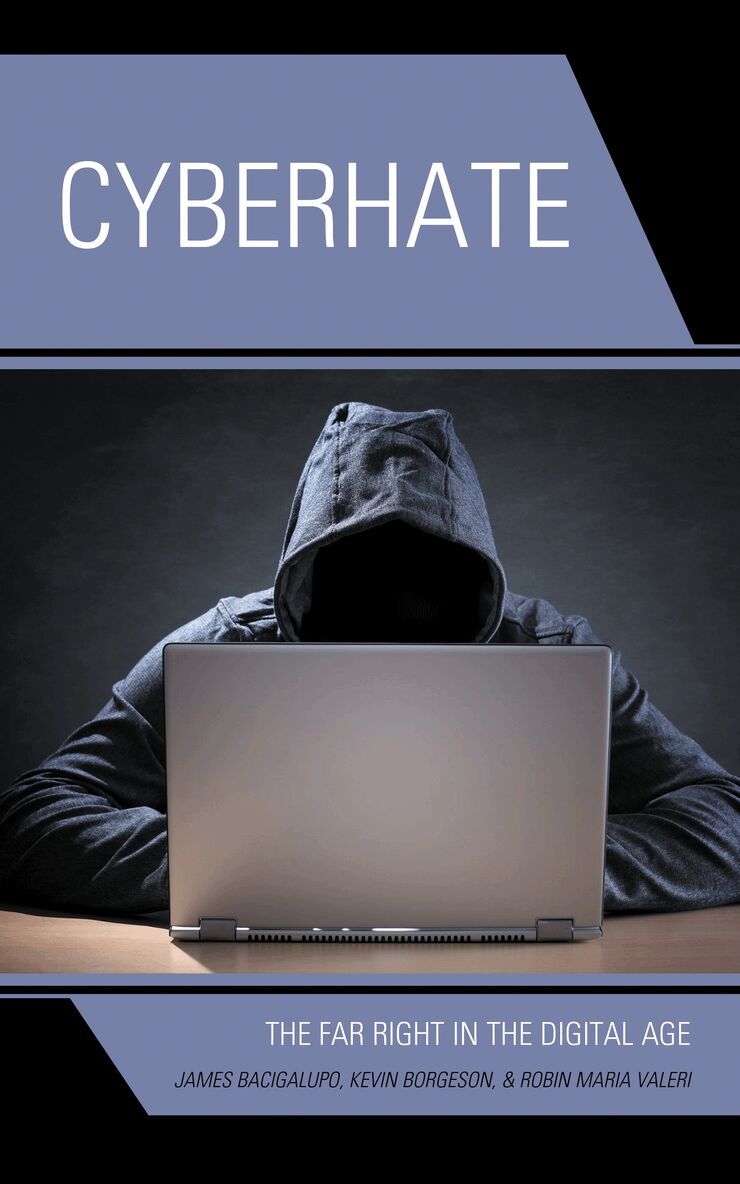
Cyberhate: The Far Right in the Digital Age explores how right-wing extremists operate in cyberspace by examining their propaganda, funding, subcultures, movements, offline violence, and the ideologies that drive it. Scholars and practitioners from a wide range of disciplines and professions including criminal justice, psychology, cybersecurity, religion, law, education, and terrorism studies contribute to provide an extensive analysis of the far-right online political landscape. Specific topics include laws surrounding cyberhate, propaganda, bitcoin funding, online subcultures such as the manosphere, theories that explain why some take the path of violence, and specific movements including the alt-right and the terroristic Atomwaffen Division. Relying on manifestos and other correspondence posted online by recent perpetrators of mass murder, this book focuses on specific groups, individuals, and acts of violence to explain how concepts like “white genocide” and incel ideology have motivated recent deadly violence.
434 kr
Skickas inom 10-15 vardagar
Cyberhate: The Far Right in the Digital Age explores how right-wing extremists operate in cyberspace by examining their propaganda, funding, subcultures, movements, offline violence, and the ideologies that drive it. Scholars and practitioners from a wide range of disciplines and professions including criminal justice, psychology, cybersecurity, religion, law, education, and terrorism studies contribute to provide an extensive analysis of the far-right online political landscape. Specific topics include laws surrounding cyberhate, propaganda, bitcoin funding, online subcultures such as the manosphere, theories that explain why some take the path of violence, and specific movements including the alt-right and the terroristic Atomwaffen Division. Relying on manifestos and other correspondence posted online by recent perpetrators of mass murder, this book focuses on specific groups, individuals, and acts of violence to explain how concepts like “white genocide” and incel ideology have motivated recent deadly violence.