Robin Morris Collin – författare
Visar alla böcker från författaren Robin Morris Collin. Handla med fri frakt och snabb leverans.
4 produkter
4 produkter
Inbunden, Engelska, 2005
981 kr
Skickas inom 10-15 vardagar
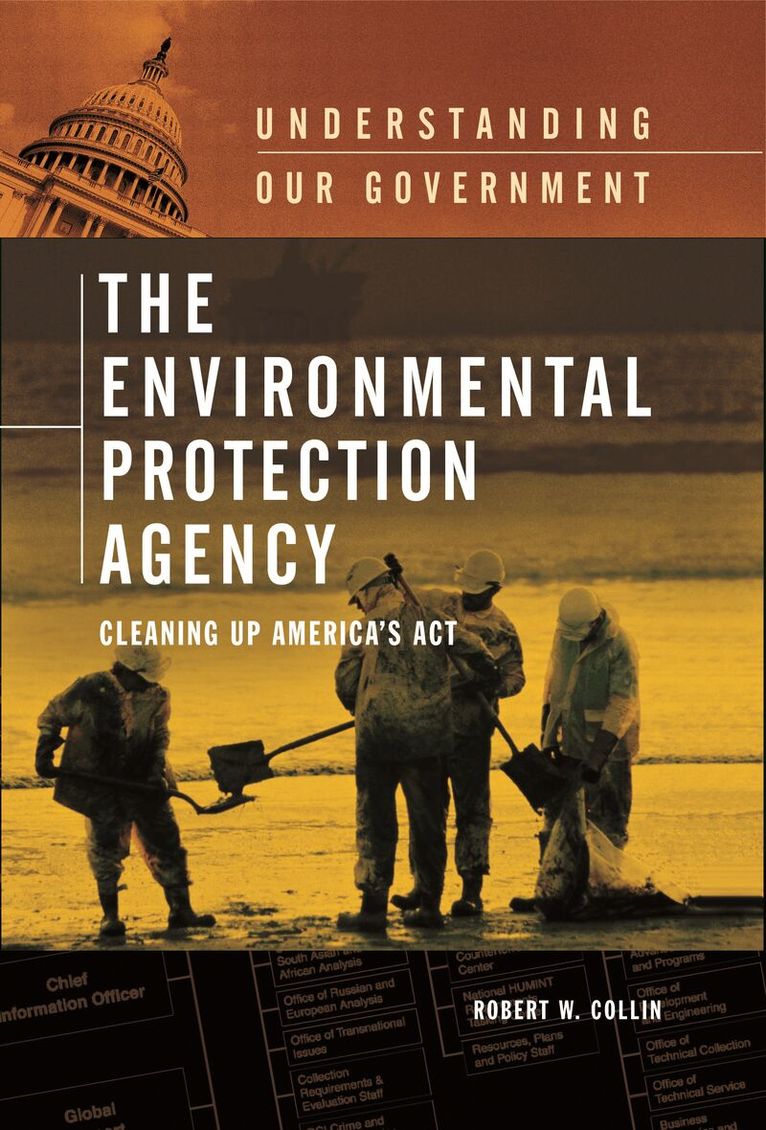
The Environmental Protection Agency is a young and dynamic federal agency facing the challenges of modern environmental protection. The political controversies and social impacts of the agency are immense, involving courts, legislatures, and elected officials, and the effects of its actions are far reaching, affecting every single person in the United States.After a brief history of the agency, chapters describe its organization, programs, controversies, key events, notable people, and impact on society. Topics covered include the Exxon Valdez oil spill, Three Mile Island, and The Clean Air Act, as well as biographies on administrators Carol Browner, William Ruckelhaus, and Anne M. Gorsuch.
E-bok
PDF, Engelska, 20093 128 kr
Läs direkt efter köp
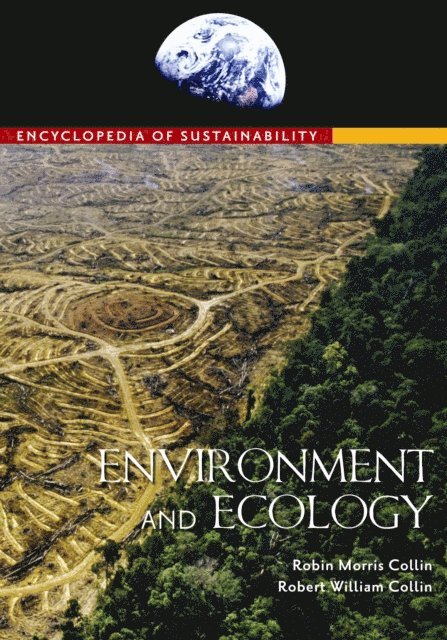
This three-volume encyclopedia explores the concept of sustainability in the contexts of the environment, economics, and justice.This expansive encyclopedia breaks new ground, giving definition and focus to an urgent and much-talked-about topic that is extraordinarily wide ranging and all too often misunderstood. As the first major reference work in its field, the three comprehensive volumes span the entire scope of sustainability from ecological concepts to financial concerns to public policy and community action, giving readers a solid foundation from which to think critically about efforts to make a more sustainable world.The Encyclopedia of Sustainability comprises three volumes, each dedicated to one of three equally important contexts in which the term is used: environment and ecology, business and economics, and equity and fairness. Each volume provides authoritative but accessible coverage of basic concepts and terms, as well as policy initiatives, controversies, and future trends. Volumes also include biographical sketches of important contributors to sustainability efforts from the scientific, economic, public policy, and activist realms, plus extensive listings of print and online resources for further exploration.
E-bok
Engelska, 20141 294 kr
Läs direkt efter köp
A must-read for anyone seeking to understand the complex issues surrounding energy generation and use, this one-of-a-kind resource clarifies everything from the basic structure of the industry to the potential—and risks—of new technologies.Energy is a critical public concern in the 21st century, spurring demand for reliable, easy-to-understand information on subjects as varied as the drivers of prices, the potential for new technologies, the implications of a more diverse energy-supply portfolio, and the way government policies affect the energy marketplace. All of those issues and more are covered in this unique, two-volume compendium. Traditional energy sources such as oil, coal, and natural gas are explored in volume one and new and emerging energy sources are addressed in volume two. Each chapter provides a brief history of the energy source, describes how it functions, and examines market issues, government regulations, and environmental and community impacts. The work discusses energy security and energy independence, efficiency standards, and carbon policy as well as consumer-focused technologies such as energy storage options, smart appliances and homes, and electric cars. Readers will come away from this guide with an understanding of the energy industry and an appreciation of the ways government, industry, and society can manage both risks and benefits.
E-bok
Engelska, 20141 213 kr
Läs direkt efter köp
A must-read for anyone seeking to understand the complex issues surrounding energy generation and use, this one-of-a-kind resource clarifies everything from the basic structure of the industry to the potential—and risks—of new technologies.Energy is a critical public concern in the 21st century, spurring demand for reliable, easy-to-understand information on subjects as varied as the drivers of prices, the potential for new technologies, the implications of a more diverse energy-supply portfolio, and the way government policies affect the energy marketplace. All of those issues and more are covered in this unique, two-volume compendium. Traditional energy sources such as oil, coal, and natural gas are explored in volume one and new and emerging energy sources are addressed in volume two. Each chapter provides a brief history of the energy source, describes how it functions, and examines market issues, government regulations, and environmental and community impacts. The work discusses energy security and energy independence, efficiency standards, and carbon policy as well as consumer-focused technologies such as energy storage options, smart appliances and homes, and electric cars. Readers will come away from this guide with an understanding of the energy industry and an appreciation of the ways government, industry, and society can manage both risks and benefits.