Roby Arya Brata – författare
Visar alla böcker från författaren . Handla med fri frakt och snabb leverans.
4 produkter
4 produkter
Häftad, Engelska, 2014
695 kr
Skickas inom 5-8 vardagar
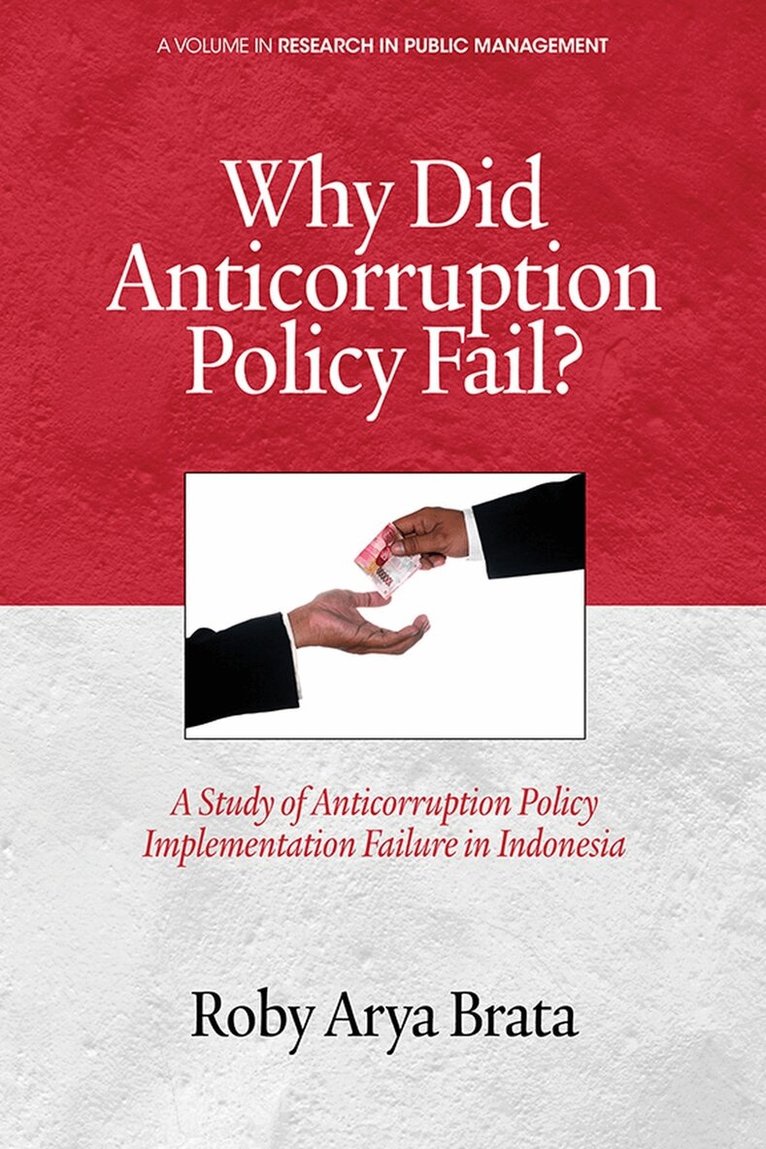
This book examines the cases of implementation failure of the Indonesian Anticorruption Law 1971 of the authoritarian New Order regime, and of the Anticorruption Law 1999 of the democratic Reform Order regime. It investigates to what extent and for what reasons the implementation of these Laws failed to attain the policy objectives of eradicating corruption in the public sector under the two different political systems.The book concludes that combating corruption in a developing country undergoing political transition from an authoritarian to a democratic political system is problematic and difficult. When corruption has systematically infected and distorted the institutional structures and processes of the government, in particular the law enforcement mechanisms, implementing anticorruption laws is expected to be suboptimal and subsequently fail. To overcome this problem, the factors contributing to the policy implementation failure must be eliminated.
Inbunden, Engelska, 2014
1 176 kr
Skickas inom 5-8 vardagar
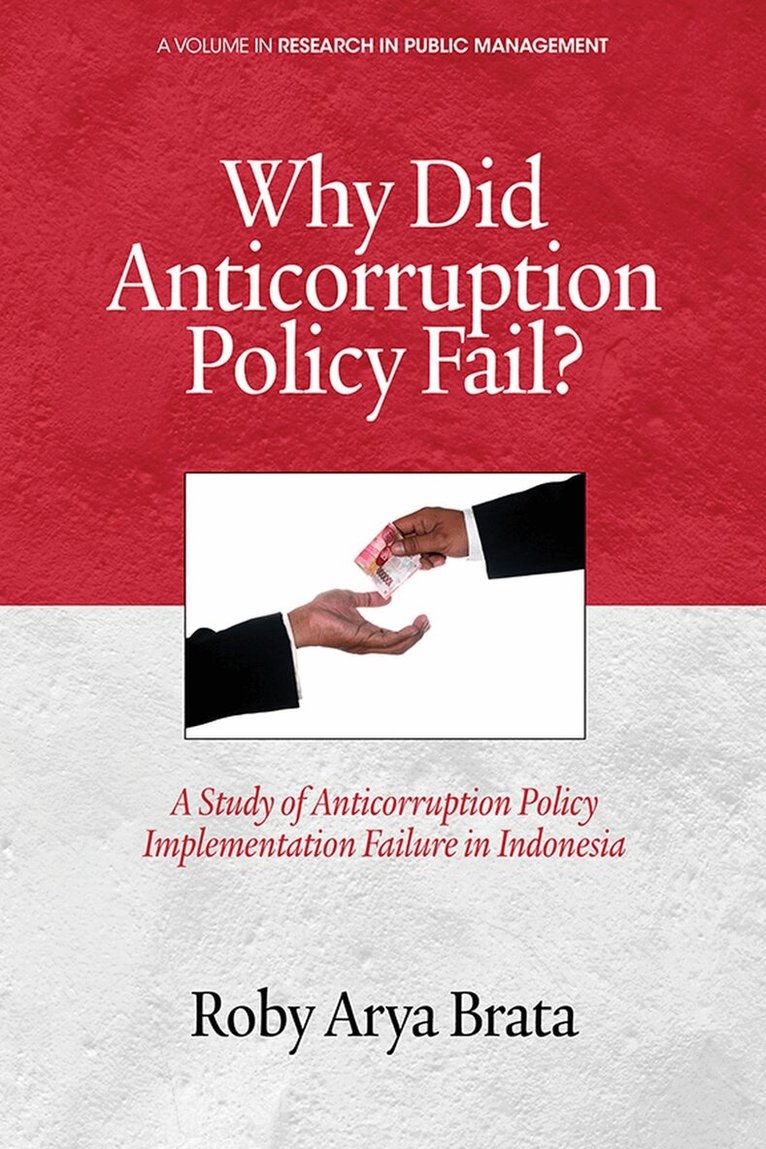
This book examines the cases of implementation failure of the Indonesian Anticorruption Law 1971 of the authoritarian New Order regime, and of the Anticorruption Law 1999 of the democratic Reform Order regime. It investigates to what extent and for what reasons the implementation of these Laws failed to attain the policy objectives of eradicating corruption in the public sector under the two different political systems.The book concludes that combating corruption in a developing country undergoing political transition from an authoritarian to a democratic political system is problematic and difficult. When corruption has systematically infected and distorted the institutional structures and processes of the government, in particular the law enforcement mechanisms, implementing anticorruption laws is expected to be suboptimal and subsequently fail. To overcome this problem, the factors contributing to the policy implementation failure must be eliminated.
E-bok
Engelska, 2014495 kr
Läs direkt efter köp
This book examines the cases of implementation failure of the Indonesian Anticorruption Law 1971 of the authoritarian New Order regime, and of the Anticorruption Law 1999 of the democratic Reform Order regime. It investigates to what extent and for what reasons the implementation of these Laws failed to attain the policy objectives of eradicating corruption in the public sector under the two different political systems.The book concludes that combating corruption in a developing country undergoing political transition from an authoritarian to a democratic political system is problematic and difficult. When corruption has systematically infected and distorted the institutional structures and processes of the government, in particular the law enforcement mechanisms, implementing anticorruption laws is expected to be suboptimal and subsequently fail. To overcome this problem, the factors contributing to the policy implementation failure must be eliminated.
E-bok
Engelska, 2014742 kr
Läs direkt efter köp
This book examines the cases of implementation failure of the Indonesian Anticorruption Law 1971 of the authoritarian New Order regime, and of the Anticorruption Law 1999 of the democratic Reform Order regime. It investigates to what extent and for what reasons the implementation of these Laws failed to attain the policy objectives of eradicating corruption in the public sector under the two different political systems.The book concludes that combating corruption in a developing country undergoing political transition from an authoritarian to a democratic political system is problematic and difficult. When corruption has systematically infected and distorted the institutional structures and processes of the government, in particular the law enforcement mechanisms, implementing anticorruption laws is expected to be suboptimal and subsequently fail. To overcome this problem, the factors contributing to the policy implementation failure must be eliminated.