Robyn Henderson – författare
Visar alla böcker från författaren Robyn Henderson. Handla med fri frakt och snabb leverans.
5 produkter
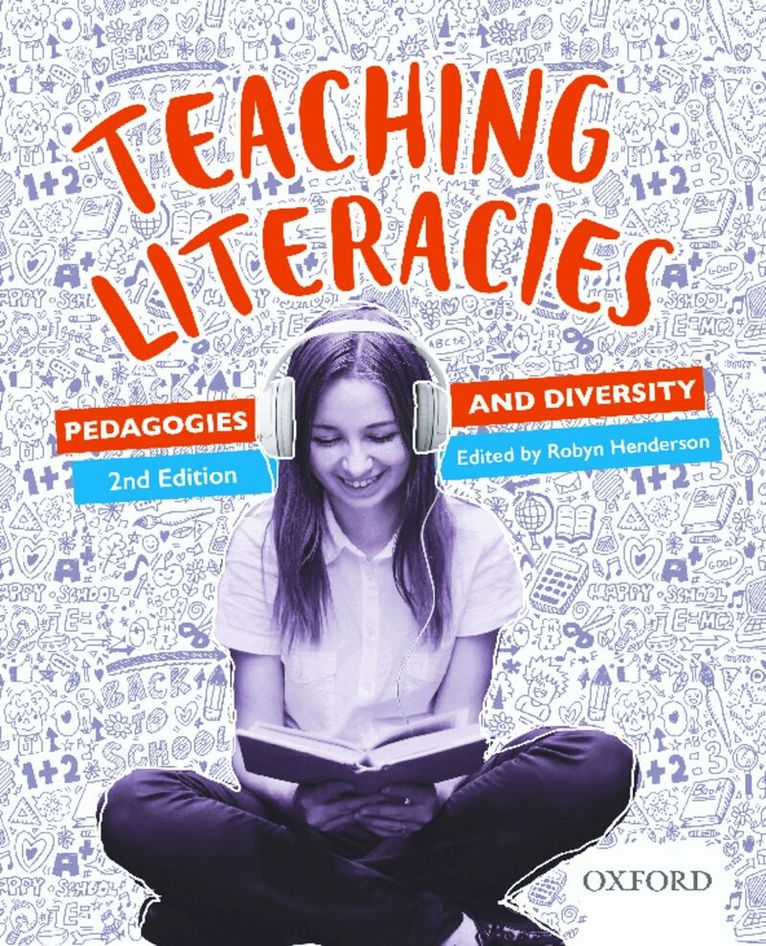
Teaching Literacies
Pedagogies and Diversity
Häftad, 2019
778 kr
Lägg i varukorg
Teaching Literacies: Pedagogies and Diversity, Second Edition addresses the teaching of literacy in primary and secondary schooling. It provides the foundations for understanding some of the issues and challenges in working with students in the current Australian context. All chapters are …
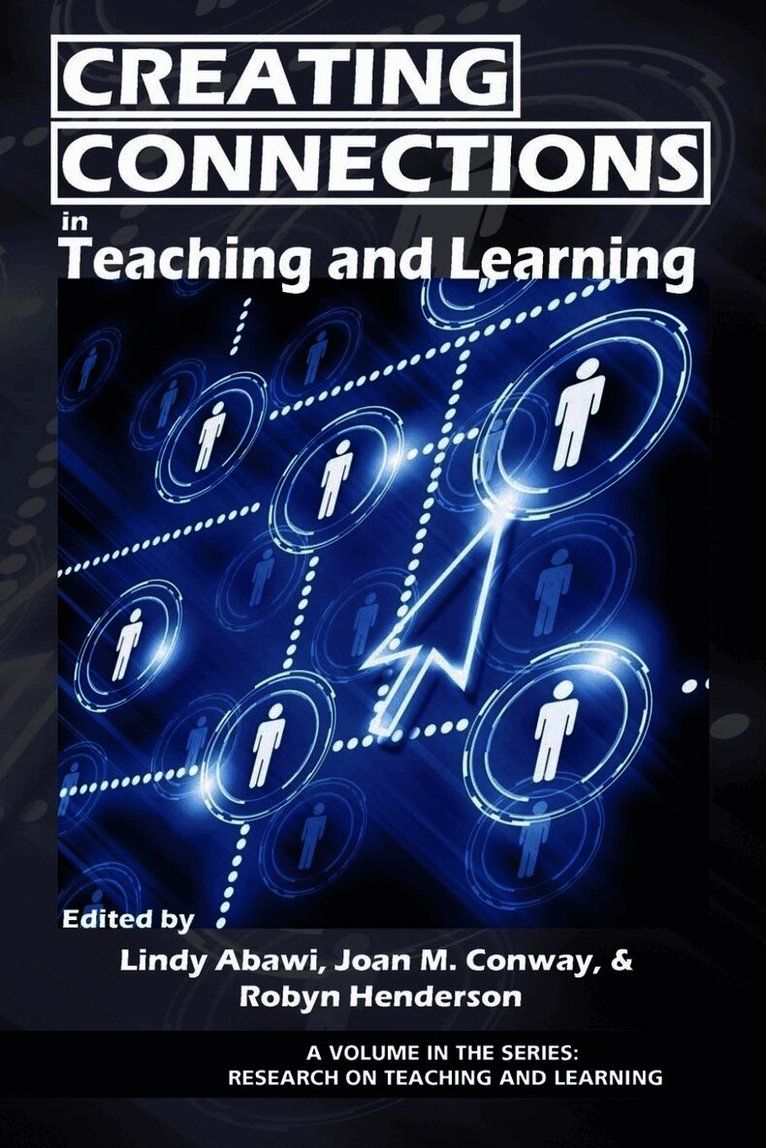
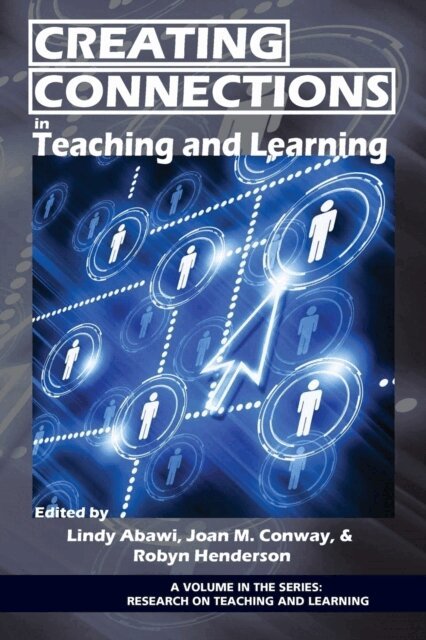
Creating Connections in Teaching and Learning
Av Lindy Abawi, Joan Conway m. fl.
Häftad, 2011
618 kr
Lägg i varukorg
This book explores the wide range of contexts in which research into creating connections in learning and teaching may take place. Creating connections can encompass making links, crossing divides, forming relationships, building frameworks, and generating new knowledge. The cognitive, cultural, …
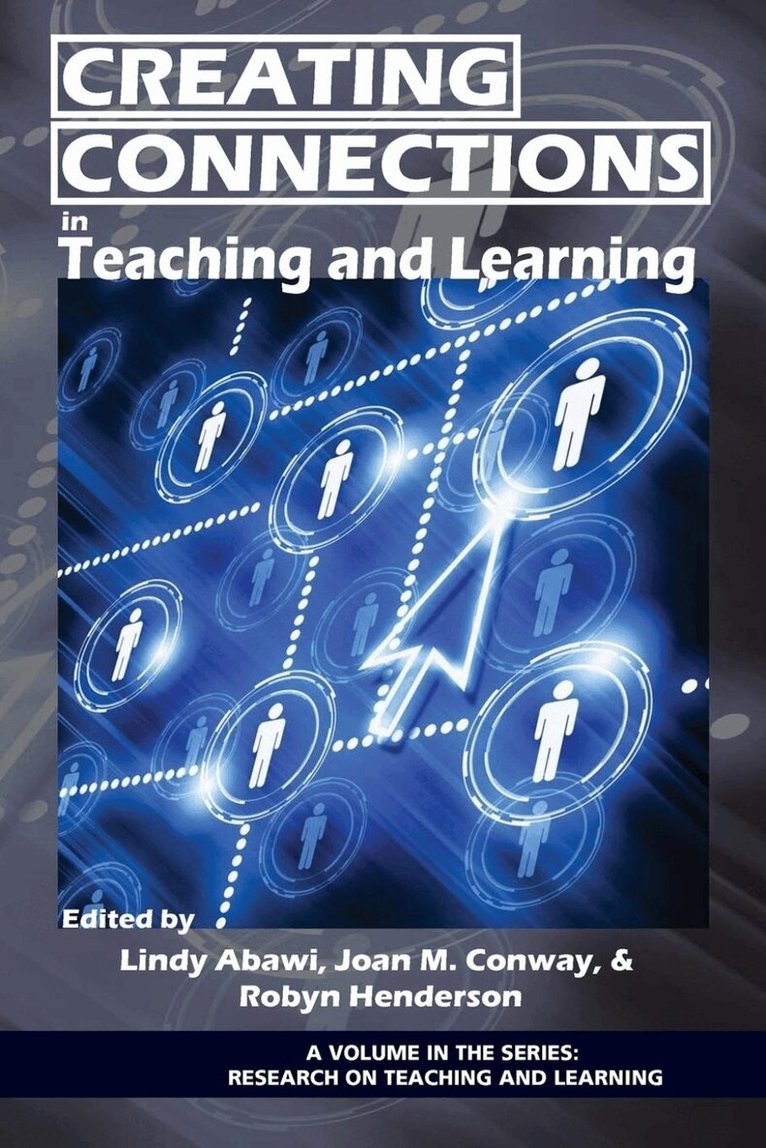
Creating Connections in Teaching and Learning
Av Lindy Abawi, Joan Conway m. fl.
Inbunden, 2011
1094 kr
Lägg i varukorg
This book explores the wide range of contexts in which research into creating connections in learning and teaching may take place. Creating connections can encompass making links, crossing divides, forming relationships, building frameworks, and generating new knowledge. The cognitive, cultural, …
Creating Connections in Teaching and Learning
Av Robyn Henderson, Joan Conway m. fl.
E-bok, 2011
446 kr
Lägg i varukorg
This book explores the wide range of contexts in which research into creating connections in learning and teaching may take place. Creating connections can encompass making links, crossing divides, forming relationships, building frameworks, and generating new knowledge. The cognitive, cultural, …
Creating Connections in Teaching and Learning
Av Robyn Henderson, Joan Conway m. fl.
E-bok, 2011
669 kr
Lägg i varukorg
This book explores the wide range of contexts in which research into creating connections in learning and teaching may take place. Creating connections can encompass making links, crossing divides, forming relationships, building frameworks, and generating new knowledge. The cognitive, cultural, …