Rodney Atwood – författare
Visar alla böcker från författaren Rodney Atwood. Handla med fri frakt och snabb leverans.
11 produkter
11 produkter
Häftad, Engelska, 2002
448 kr
Skickas inom 7-10 vardagar
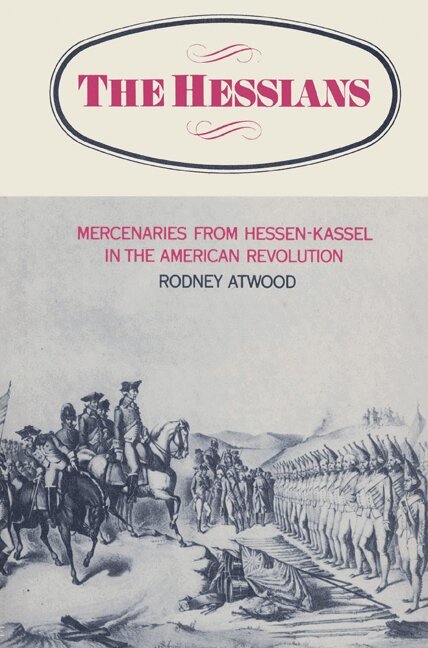
The Hessians are infamous in American history for their role as part of the British forces sent to crush the colonists' rebellion in 1776. Yet these German auxiliaries, or mercenaries were only one instance of a frequent military practice, approved by international jurists of the time and used by the British in all their eighteenth-century wars. This study (dealing with one of the six contingents known inaccurately as the Hessians) is the first to make extensive use of manuscript sources in Germany, Britain and America to put the Hessians in their historical context and to examine a number of the myths about them. The encounter of the Americans with the Hessian troops from a disciplined paternalistic society organized for war, with special thoroughness, was not merely the meeting of two military systems, but also of two ways of life, and is thus worthy of study in an age of conflict.
Häftad, Engelska, 2020
490 kr
Skickas inom 10-15 vardagar
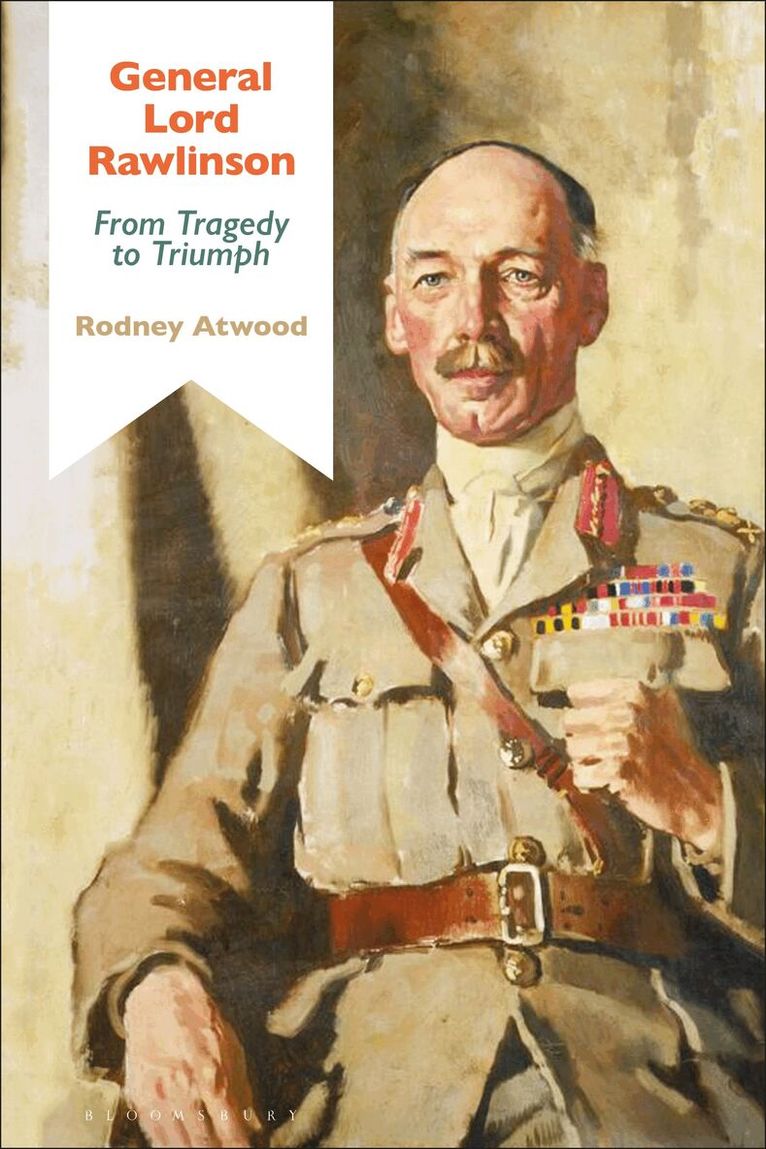
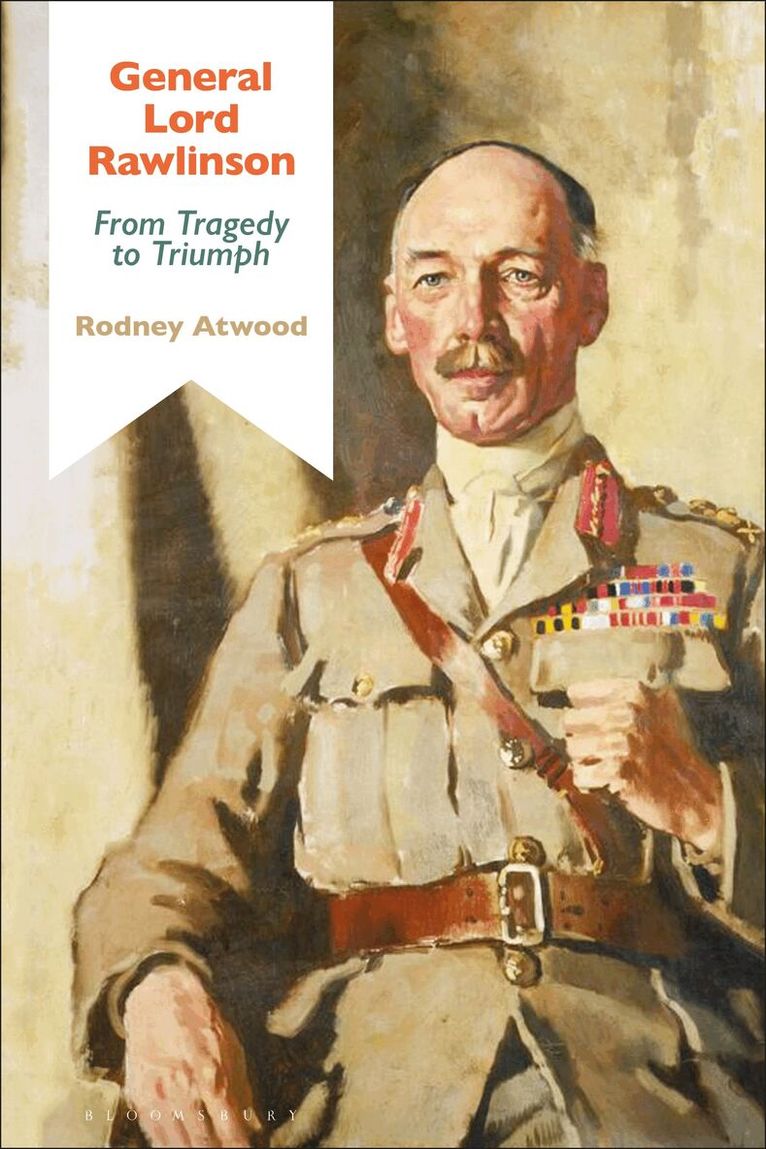
In this biography Rodney Atwood details the life of General Lord Rawlinson of Trent (1864-1925), a distinguished British soldier whose career culminated in decisive victories on the Western Front in 1918 and command of the Indian Army in the early 1920s. He served his soldier’s apprenticeship in the Victorian colonial wars in Burma, the Sudan and South Africa. His career provides a lens through which to examine the British Army in the late-19th and early-20th century.In the South African War (1899-1902) Rawlinson’s ideas aided the defence of Ladysmith, and he distinguished himself leading a mobile column in the guerrilla war. In the First World War he held an important command in most of the British Expeditionary Force’s battles on the Western Front. He bears a heavy part-responsibility for the disastrous first day of the Somme, but later in the battle his successful tactics inflicted heavy losses on the enemy. His Western Front career culminated in a series of victories beginning at Amiens. He commanded the Indian Army between 1920 and 1925 at a time of military and political tension following the 3rd Afghan War and the Amritsar Massacre. He introduced necessary reforms, cut expenditure at a time of postwar retrenchment and began commissioning Indians to replace British officers. He would have taken up the post of CIGS (Chief of the Imperial General Staff), thus being the only British soldier to hold these two top posts. He died, however, four days after his sixty-first birthday.Drawing extensively on archival material including Rawlinson’s own engagingly-written letters and diaries, this thorough examination of his life will be of great interest to those studying British military history, imperial history and the First World War.
Inbunden, Engelska, 2018
1 853 kr
Skickas inom 10-15 vardagar
In this biography Rodney Atwood details the life of General Lord Rawlinson of Trent (1864-1925), a distinguished British soldier whose career culminated in decisive victories on the Western Front in 1918 and command of the Indian Army in the early 1920s. He served his soldier’s apprenticeship in the Victorian colonial wars in Burma, the Sudan and South Africa. His career provides a lens through which to examine the British Army in the late-19th and early-20th century.In the South African War (1899-1902) Rawlinson’s ideas aided the defence of Ladysmith, and he distinguished himself leading a mobile column in the guerrilla war. In the First World War he held an important command in most of the British Expeditionary Force’s battles on the Western Front. He bears a heavy part-responsibility for the disastrous first day of the Somme, but later in the battle his successful tactics inflicted heavy losses on the enemy. His Western Front career culminated in a series of victories beginning at Amiens. He commanded the Indian Army between 1920 and 1925 at a time of military and political tension following the 3rd Afghan War and the Amritsar Massacre. He introduced necessary reforms, cut expenditure at a time of postwar retrenchment and began commissioning Indians to replace British officers. He would have taken up the post of CIGS (Chief of the Imperial General Staff), thus being the only British soldier to hold these two top posts. He died, however, four days after his sixty-first birthday.Drawing extensively on archival material including Rawlinson’s own engagingly-written letters and diaries, this thorough examination of his life will be of great interest to those studying British military history, imperial history and the First World War.
E-bok
Engelska, 2018511 kr
Läs direkt efter köp
In this biography Rodney Atwood details the life of General Lord Rawlinson of Trent (1864-1925), a distinguished British soldier whose career culminated in decisive victories on the Western Front in 1918 and command of the Indian Army in the early 1920s. He served his soldier''s apprenticeship in the Victorian colonial wars in Burma, the Sudan and South Africa. His career provides a lens through which to examine the British Army in the late-19th and early-20th century. In the South African War (1899-1902) Rawlinson''s ideas aided the defence of Ladysmith, and he distinguished himself leading a mobile column in the guerrilla war. In the First World War he held an important command in most of the British Expeditionary Force''s battles on the Western Front. He bears a heavy part-responsibility for the disastrous first day of the Somme, but later in the battle his successful tactics inflicted heavy losses on the enemy. His Western Front career culminated in a series of victories beginning at Amiens. He commanded the Indian Army between 1920 and 1925 at a time of military and political tension following the 3rd Afghan War and the Amritsar Massacre. He introduced necessary reforms, cut expenditure at a time of postwar retrenchment and began commissioning Indians to replace British officers. He would have taken up the post of CIGS (Chief of the Imperial General Staff), thus being the only British soldier to hold these two top posts. He died, however, four days after his sixty-first birthday. Drawing extensively on archival material including Rawlinson''s own engagingly-written letters and diaries, this thorough examination of his life will be of great interest to those studying British military history, imperial history and the First World War.
E-bok
PDF, Engelska, 2018511 kr
Läs direkt efter köp
In this biography Rodney Atwood details the life of General Lord Rawlinson of Trent (1864-1925), a distinguished British soldier whose career culminated in decisive victories on the Western Front in 1918 and command of the Indian Army in the early 1920s. He served his soldier''s apprenticeship in the Victorian colonial wars in Burma, the Sudan and South Africa. His career provides a lens through which to examine the British Army in the late-19th and early-20th century. In the South African War (1899-1902) Rawlinson''s ideas aided the defence of Ladysmith, and he distinguished himself leading a mobile column in the guerrilla war. In the First World War he held an important command in most of the British Expeditionary Force''s battles on the Western Front. He bears a heavy part-responsibility for the disastrous first day of the Somme, but later in the battle his successful tactics inflicted heavy losses on the enemy. His Western Front career culminated in a series of victories beginning at Amiens. He commanded the Indian Army between 1920 and 1925 at a time of military and political tension following the 3rd Afghan War and the Amritsar Massacre. He introduced necessary reforms, cut expenditure at a time of postwar retrenchment and began commissioning Indians to replace British officers. He would have taken up the post of CIGS (Chief of the Imperial General Staff), thus being the only British soldier to hold these two top posts. He died, however, four days after his sixty-first birthday. Drawing extensively on archival material including Rawlinson''s own engagingly-written letters and diaries, this thorough examination of his life will be of great interest to those studying British military history, imperial history and the First World War.
Inbunden, Engelska, 2014
2 056 kr
Skickas inom 10-15 vardagar
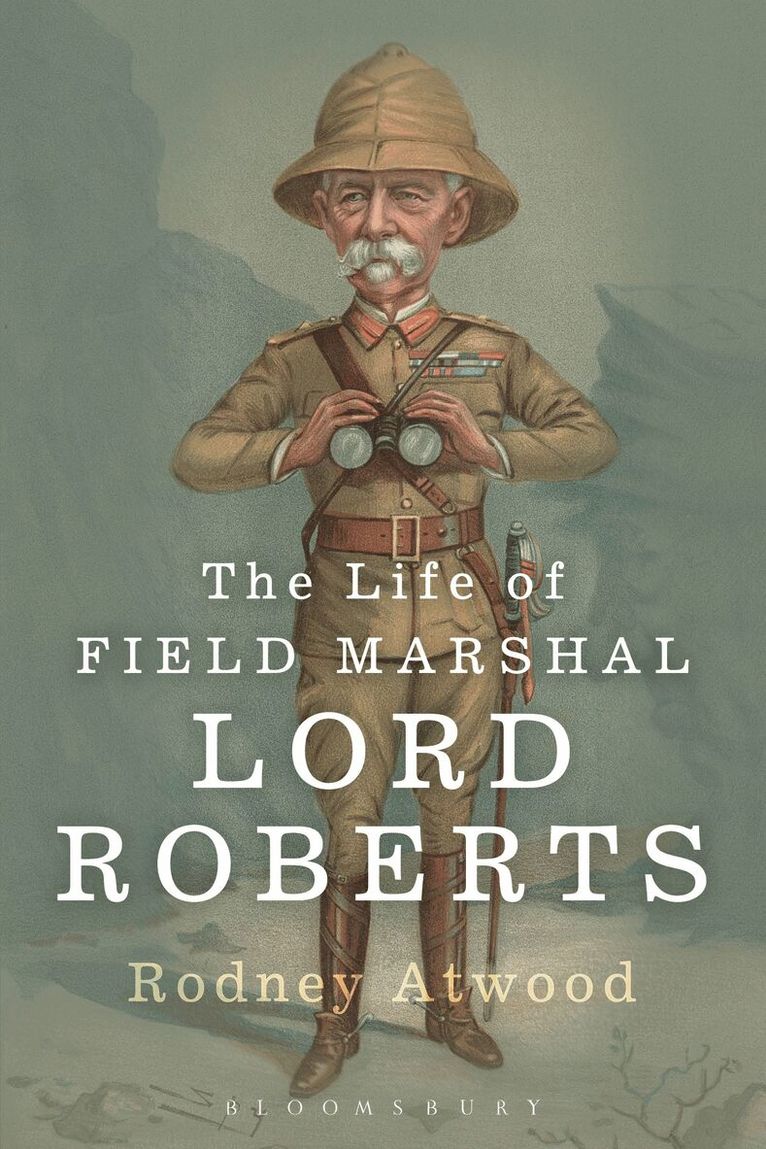
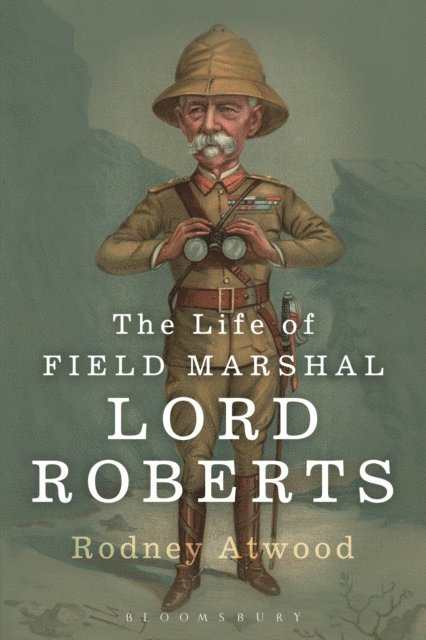
This biography of Field Marshal Lord Roberts charts a remarkable life that spanned the apogee of the British Empire. During a diverse career, Roberts won the Victoria Cross, planned the strategic defence of India, turned the tide of war in South Africa, introduced army reform and campaigned for National Service before 1914. Rodney Atwood explores his military career, in particular his role as a tactician and strategist in Afghanistan, Burma, the North-West frontier, South Africa and Europe, but also looks at Roberts as a symbol of Empire and explores his celebration in British culture.
E-bok
PDF, Engelska, 20142 170 kr
Läs direkt efter köp
This biography of Field Marshal Lord Roberts charts a remarkable life that spanned the apogee of the British Empire. During a diverse career, Roberts won the Victoria Cross, planned the strategic defence of India, turned the tide of war in South Africa, introduced army reform and campaigned for National Service before 1914. Rodney Atwood explores his military career, in particular his role as a tactician and strategist in Afghanistan, Burma, the North-West frontier, South Africa and Europe, but also looks at Roberts as a symbol of Empire and explores his celebration in British culture.
E-bok
Engelska, 20142 189 kr
Läs direkt efter köp
This biography of Field Marshal Lord Roberts charts a remarkable life that spanned the apogee of the British Empire. During a diverse career, Roberts won the Victoria Cross, planned the strategic defence of India, turned the tide of war in South Africa, introduced army reform and campaigned for National Service before 1914. Rodney Atwood explores his military career, in particular his role as a tactician and strategist in Afghanistan, Burma, the North-West frontier, South Africa and Europe, but also looks at Roberts as a symbol of Empire and explores his celebration in British culture.
E-bok
PDF, Engelska, 201229 kr
Läs direkt efter köp
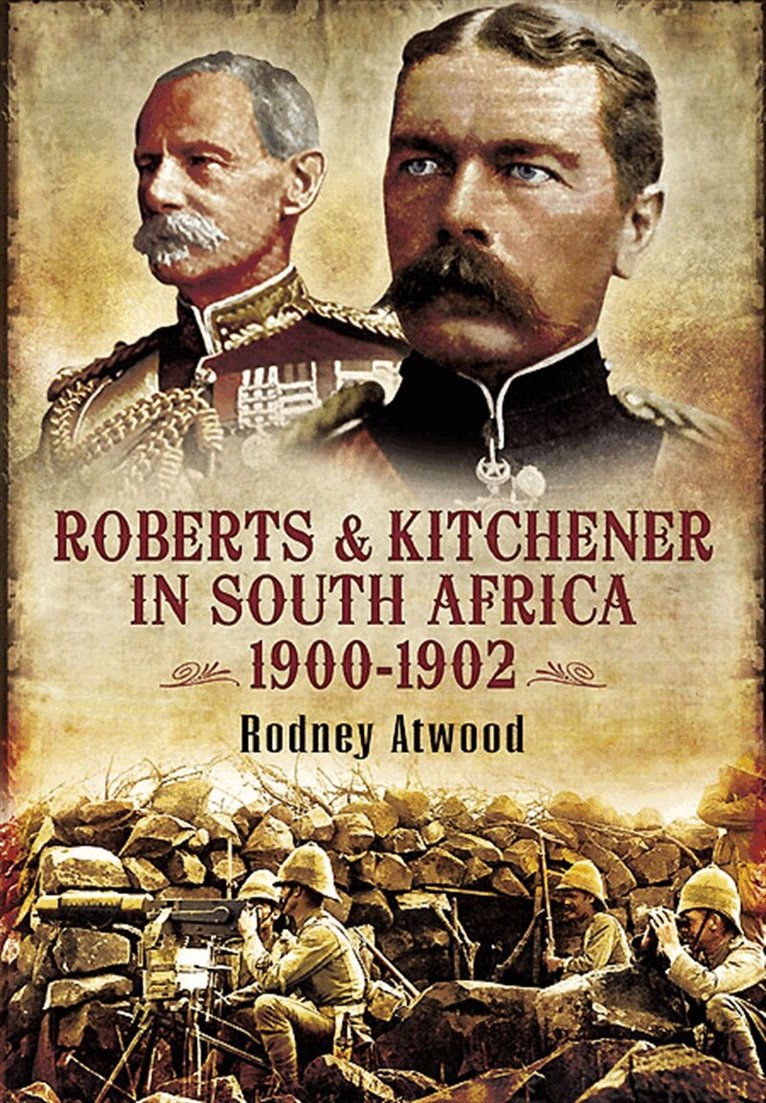
The British Army was shocked by three military defeats in a week in South Africa in late 1899. The commanding General Sir Redvers Buller lost his nerve. Something must be done was the cry across the Empire. Britain sent forth not one, but two military heroes. Field Marshal Lord Roberts and Major General Lord Kitchener spent their first five weeks in South Africa restoring morale, reorganising their forces and deceiving the enemy as to their intentions. In the next four weeks their offensive transformed the war: Kimberley and Ladysmith were relieved from Boer sieges and an enemy force of 4000 under General Cronje was captured on the Modder River. A long and bitter guerrilla war ensured in a terrain ideally suited to fast-moving Boer commandoes. On the dark side, deeds were committed of which no civilised empire priding itself on justice and fair play could be proud. The comradeship-in-arms of Roberts and Kitchener, their differing yet complementary personalities, their strategic and tactical decisions are described and assessed using a wide variety of sources including, personal papers and official correspondence. By these mens resourcefulness the British Army, despite its unpreparedness and poor leadership at many levels, won a remarkable victory in the first of the twentieth century Peoples Wars.
E-bok
Engelska, 2021111 kr
Läs direkt efter köp
The British Army was shocked by three military defeats during one week in South Africa in late 1900. The commanding General Sir Redvers Buller lost his nerve. ‘Something must be done’ was the cry across the Empire. Britain sent forth not one, but two military heroes. Field Marshal Lord Roberts and Major General Lord Kitchener spent their first five weeks in South Africa restoring morale, reorganizing their forces and deceiving the enemy as to their intentions. In the next four weeks their offensive transformed the war: Kimberley and Ladysmith were relieved from Boer sieges and an enemy force of 4000 under General Cronje was captured on the Modder River. A long and bitter guerrilla war ensured in a terrain ideally suited to fast-moving Boer commandoes. On the dark side, deeds were committed of which no civilized empire priding itself on justice and fair play could be proud, including the first use of ‘concentration camps’. The comradeship-in-arms of Roberts and Kitchener, their differing yet complementary personalities, their strategic and tactical decisions are described and assessed using a wide variety of sources including, personal papers and official correspondence. Through their resourcefulness the British Army, despite its unpreparedness and poor leadership at many levels, won a remarkable victory in the first of the twentieth century ‘People’s Wars’.
E-bok
Engelska, 2021123 kr
Läs direkt efter köp
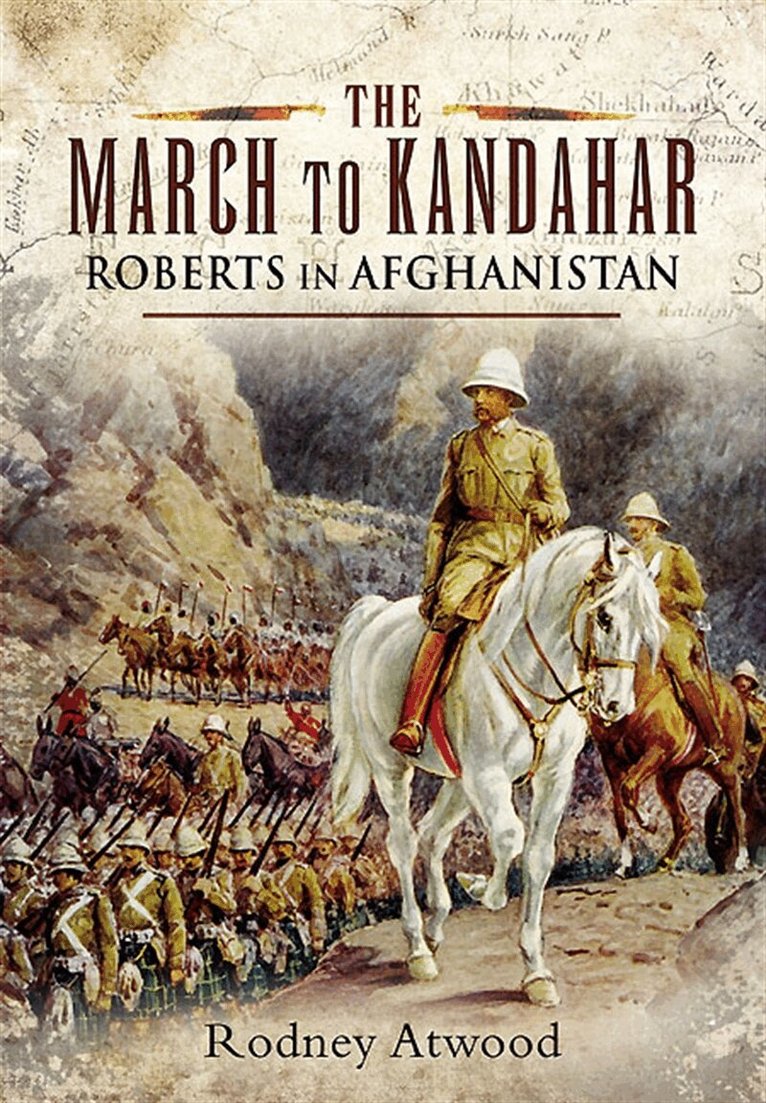
The book describes the role of Frederick Roberts in the 2nd Afghan War, culminating in his famous march in 1880 with 10,000 picked British and Indian soldiers, 300 miles in twenty-three days, from Kabul to Kandahar, to defeat the Afghan army of Ayub Khan, pretender to the Amirship of Kabul. The march made Roberts one of late Victorian England’s great military heroes, partly because of the achievement itself, partly because the victory restored British prestige after defeat, and finally because of Roberts’ astute use of the press to puff his victory. This overcame the earlier damage done to his reputation by the political storm raised by his hanging over eighty Afghans in revenge for the massacre of a British envoy and his escort. It enabled the liberal Viceroy of India, Lord Ripon, to extract his forces from an Afghan imbroglio with prestige restored and an emir on the Afghan throne who for thirty-nine years maintained friendship with British India. Roberts (or ‘Bobs’ as he was known) subsequently advanced to command the Indian Army, working closely with future Viceroys to influence Indian defense policy on the North-West Frontier, being hymned by Rudyard Kipling, poet of empire. His best-selling autobiography, Forty-One Years in India, established his image before the British public and he remains one of Britain’s best known, if least understood, military figures.