Rodrigo Sandoval-Almazán – författare
Artificial Intelligence in Government
Latin America Challenges and Expectations
921 kr
Skickas inom 10-15 vardagar
1 138 kr
Läs direkt efter köp
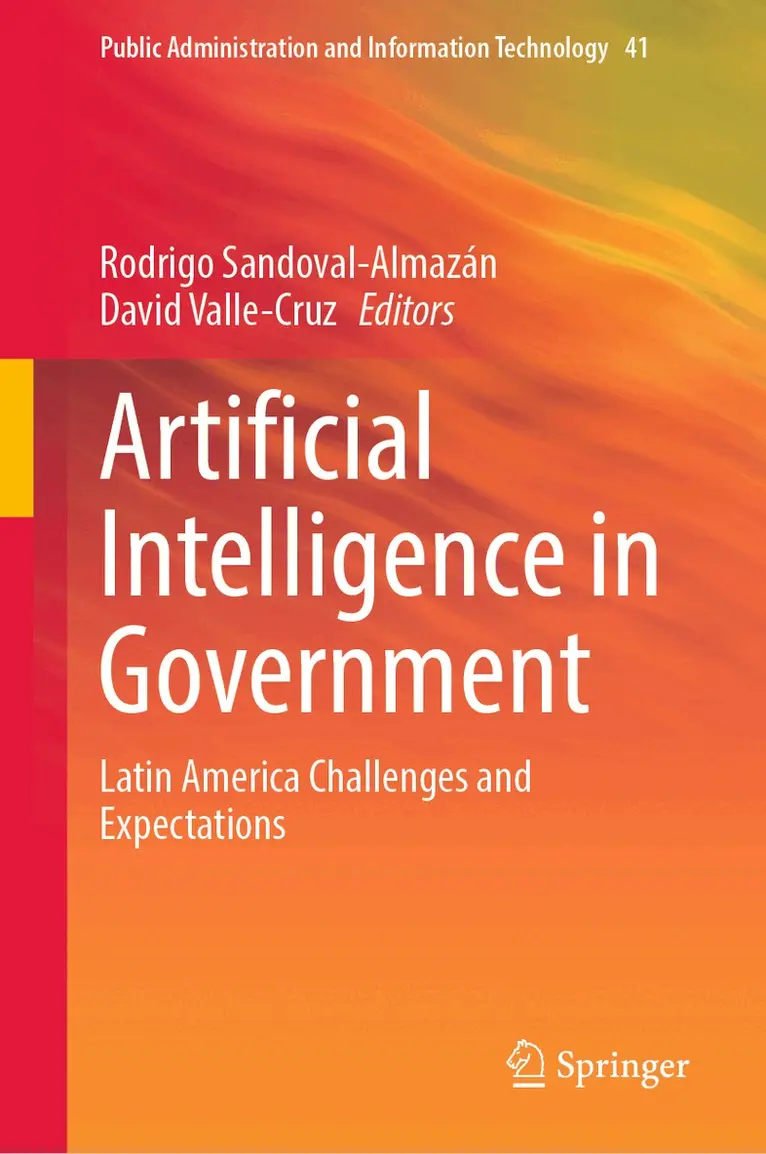
This edited volume discusses the challenges of digital transformation in Latin America, specifically regarding the use of AI for government management in the public sector. This book brings together leading scholars and practitioners from the region to address the legal and regulatory frameworks needed to introduce AI into government processes, as well as the infrastructure requirements for successful implementation. It explores potential resistance from public officials towards technology adoption and ways to overcome it. Moreover, the book considers the digital divide that exists within Latin American societies, which may hinder access to AI tools for some citizens. It also discusses ethical considerations related to AI use in government processes, such as privacy concerns and algorithmic bias. Providing a comprehensive understanding of the challenges and opportunities that AI presents for Latin American governments, this volume will be of use to students and scholars interested in governance, public management, AI, and Latin American studies.
1 082 kr
Skickas inom 10-15 vardagar
1 367 kr
Läs direkt efter köp
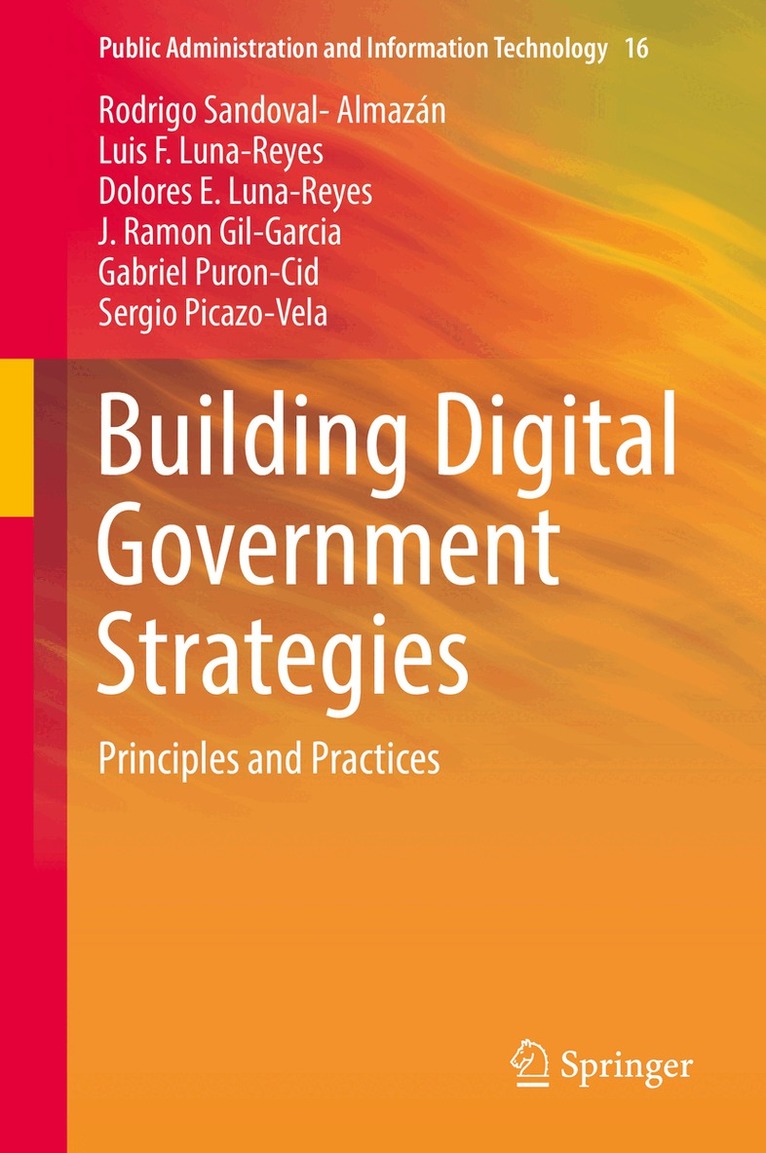
This book provides key strategic principles and best practices to guide the design and implementation of digital government strategies. It provides a series of recommendations and findings to think about IT applications in government as a platform for information, services and collaboration, and strategies to avoid identified pitfalls. Digital government research suggests that information technologies have the potential to generate immense public value and transform the relationships between governments, citizens, businesses and other stakeholders. However, developing innovative and high impact solutions for citizens hinges on the development of strategic institutional, organizational and technical capabilities. Thus far, particular characteristics and problems of the public sector organization promote the development of poorly integrated and difficult to maintain applications. For example, governments maintain separate applications for open data, transparency, and public services, leading to duplication of efforts and a waste of resources. The costs associated with maintaining such sets of poorly integrated systems may limit the use of resources to future projects and innovation. This book provides best practices and recommendations based on extensive research in both Mexico and the United States on how governments can develop a digital government strategy for creating public value, how to finance digital innovation in the public sector, how to building successful collaboration networks and foster citizen engagement, and how to correctly implement open government projects and open data. It will be of interest to researchers, practitioners, students, and public sector IT professionals that work in the design and implementation of technology-based projects and programs.
1 082 kr
Skickas inom 10-15 vardagar