Rodrigo Tavares – författare
1 795 kr
Skickas inom 5-8 vardagar
460 kr
Skickas inom 5-8 vardagar
481 kr
Läs direkt efter köp
481 kr
Läs direkt efter köp
2 198 kr
Skickas inom 10-15 vardagar
553 kr
Skickas inom 10-15 vardagar
2 198 kr
Skickas inom 10-15 vardagar
784 kr
Skickas inom 10-15 vardagar
706 kr
Läs direkt efter köp
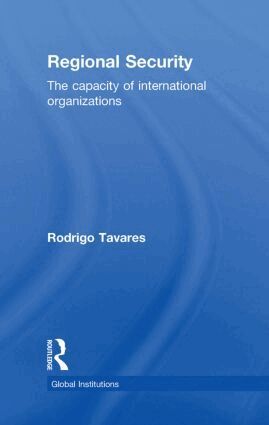
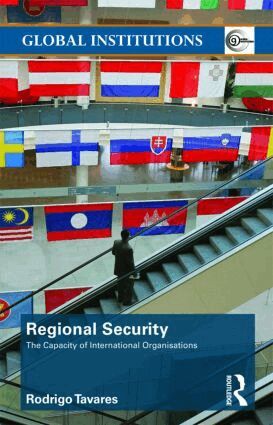
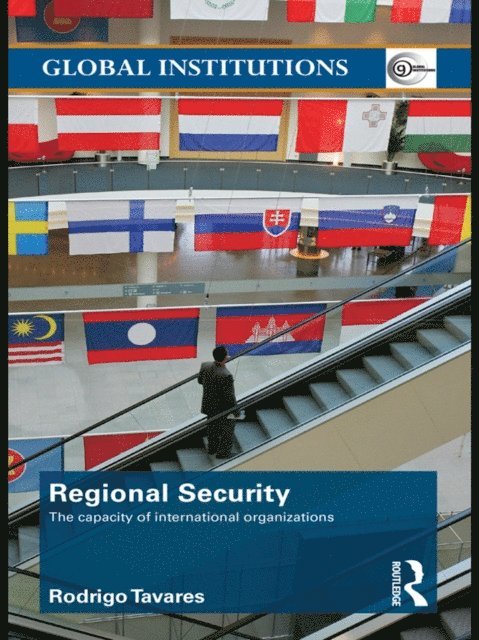
Regional organizations are an inescapable feature of global politics. Virtually all countries in the world are members of at least one regional or other intergovernmental organization.
The involvement of international organizations in the realm of regional peace and security, and their cooperation in this domain with the United Nations, has reached an unprecedented level. Regional organizations have traditionally been formed around economic, political, or environmental objectives, however, over the last decades these organizations have gradually penetrated into the security sphere and developed their capacities in conflict prevention, peacekeeping, or post-war reconstruction.
In Europe, Africa, Asia, or the Americas, regional and other intergovernmental organizations have been concurrently empowered by the UN and their own member states to maintain peace and security. Despite suffering from important discrepancies in both their mandates and capacities, regional organizations have become indisputable actors that play a role from the outbreak of a crisis to the reconstruction efforts in the aftermath of a conflict
Presenting the most up-to-date critical and comparative analysis of the major regional security institutions, assessing a wide range of regional organizations and providing an accessible and comprehensive guide to 11 key organizations, this book is the first systematic study of the capacities of the most recognized intergovernmental organizations with a security mandate. Regional Security is essential reading for all students of international organizations, peace and security studies and global governance.
706 kr
Läs direkt efter köp
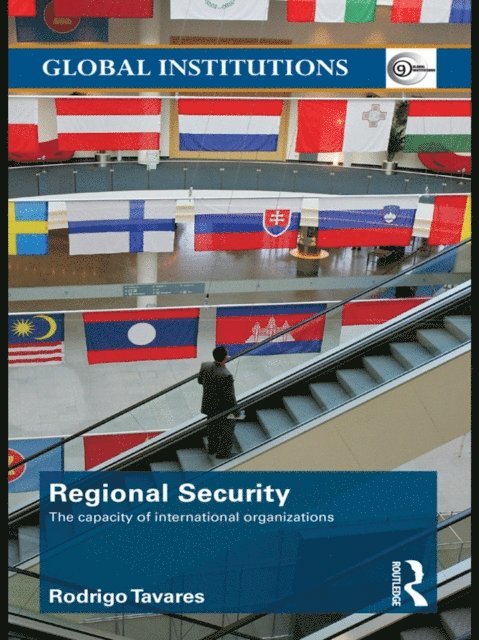
Regional organizations are an inescapable feature of global politics. Virtually all countries in the world are members of at least one regional or other intergovernmental organization.
The involvement of international organizations in the realm of regional peace and security, and their cooperation in this domain with the United Nations, has reached an unprecedented level. Regional organizations have traditionally been formed around economic, political, or environmental objectives, however, over the last decades these organizations have gradually penetrated into the security sphere and developed their capacities in conflict prevention, peacekeeping, or post-war reconstruction.
In Europe, Africa, Asia, or the Americas, regional and other intergovernmental organizations have been concurrently empowered by the UN and their own member states to maintain peace and security. Despite suffering from important discrepancies in both their mandates and capacities, regional organizations have become indisputable actors that play a role from the outbreak of a crisis to the reconstruction efforts in the aftermath of a conflict
Presenting the most up-to-date critical and comparative analysis of the major regional security institutions, assessing a wide range of regional organizations and providing an accessible and comprehensive guide to 11 key organizations, this book is the first systematic study of the capacities of the most recognized intergovernmental organizations with a security mandate. Regional Security is essential reading for all students of international organizations, peace and security studies and global governance.
899 kr
Läs direkt efter köp
The African continent is plagued by some of the most brutal and violent conflicts in the world. At the same time that warfare is changing, so has the state’s capacity to provide security and political stability to its citizens. This book deals with the role of regional organizations in Africa’s security. It focuses on three basic—yet often overlooked—questions: (1) the advantages and disadvantages of African regional and sub-regional organizations vis-à-vis other security mechanisms, (2) the official and unofficial reasons to intervene, and (3) whether security is actually protected by the peace activities carried out by the regional organizations.
The contributors to the book—all leading researchers in the field—systematically assess and compare the role of the African Union (AU), the Economic Community of West African States (ECOWAS), the Intergovernmental Authority on Development (IGAD), the Economic Community of Central African States (ECCAS), and the Southern African Development Community (SADC).
This book was based on a special issue of African Security.
899 kr
Läs direkt efter köp
The African continent is plagued by some of the most brutal and violent conflicts in the world. At the same time that warfare is changing, so has the state’s capacity to provide security and political stability to its citizens. This book deals with the role of regional organizations in Africa’s security. It focuses on three basic—yet often overlooked—questions: (1) the advantages and disadvantages of African regional and sub-regional organizations vis-à-vis other security mechanisms, (2) the official and unofficial reasons to intervene, and (3) whether security is actually protected by the peace activities carried out by the regional organizations.
The contributors to the book—all leading researchers in the field—systematically assess and compare the role of the African Union (AU), the Economic Community of West African States (ECOWAS), the Intergovernmental Authority on Development (IGAD), the Economic Community of Central African States (ECCAS), and the Southern African Development Community (SADC).
This book was based on a special issue of African Security.
50 kr
Läs direkt efter köp