Roel van den Oever – författare
Visar alla böcker från författaren Roel van den Oever. Handla med fri frakt och snabb leverans.
6 produkter
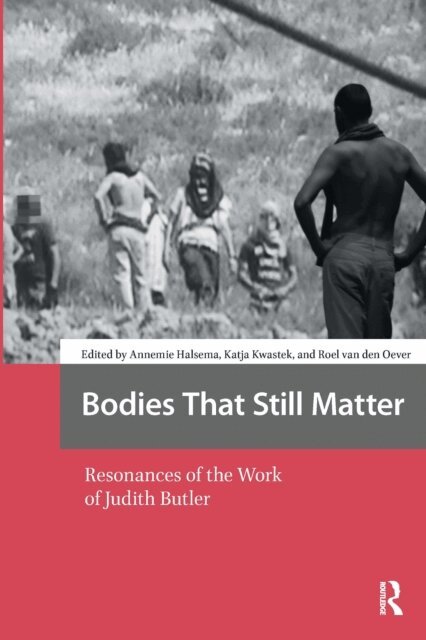
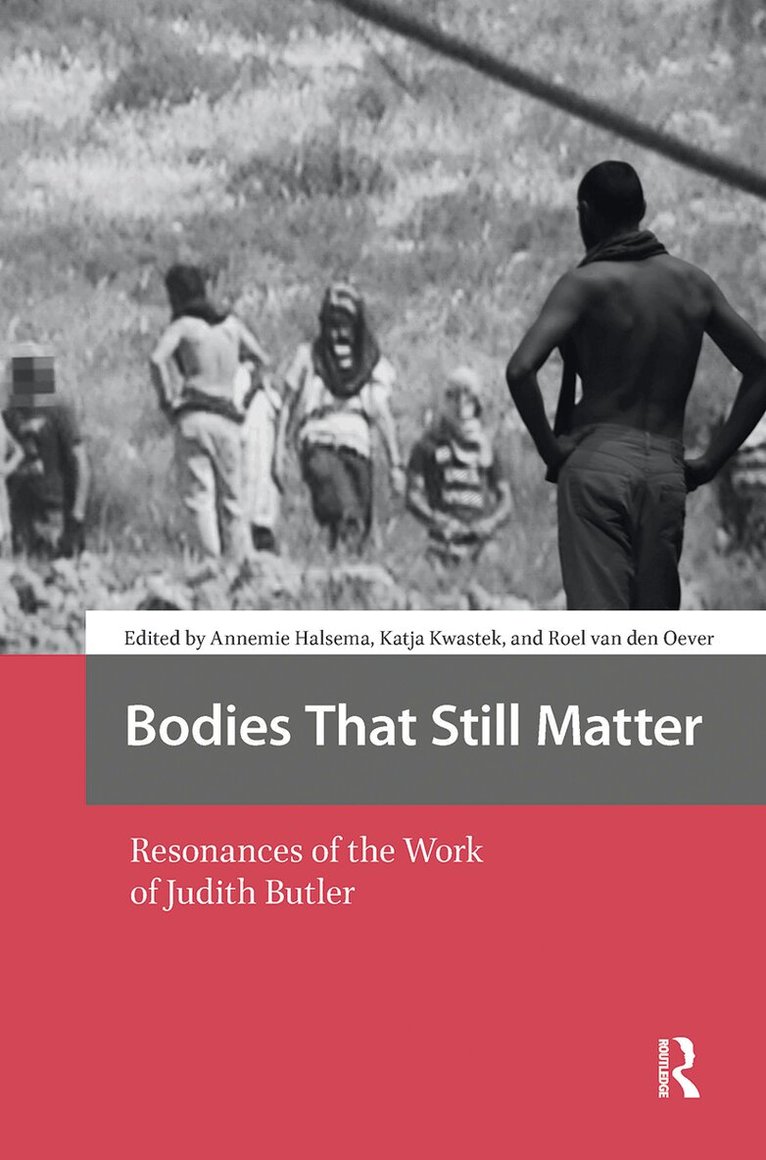
Bodies That Still Matter
Resonances of the Work of Judith Butler
Av Roel van den Oever, Katja Kwastek m. fl.
E-bok, 2025
813 kr
Lägg i varukorg
Since the appearance of her early-career bestseller Gender Trouble in 1990, American philosopher Judith Butler is one of the most influential thinkers in academia. Her work addresses numerous socially pertinent topics such as gender normativity, political speech, media representations of war, the …
Bodies That Still Matter
Resonances of the Work of Judith Butler
Av Roel van den Oever, Katja Kwastek m. fl.
E-bok, 2025
813 kr
Lägg i varukorg
Since the appearance of her early-career bestseller Gender Trouble in 1990, American philosopher Judith Butler is one of the most influential thinkers in academia. Her work addresses numerous socially pertinent topics such as gender normativity, political speech, media representations of war, the …
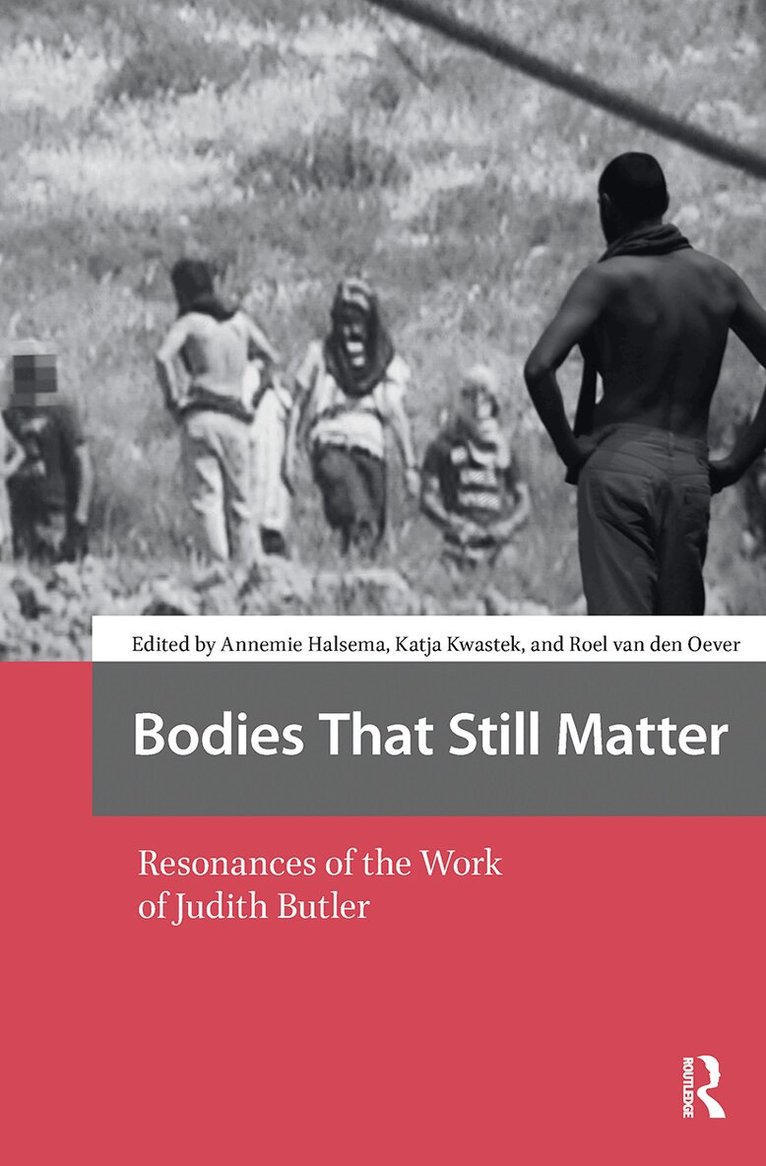
Bodies That Still Matter
Resonances of the Work of Judith Butler
Av Annemie Halsema, Katja Kwastek m. fl.
Häftad, 2025
708 kr
Lägg i varukorg
Since the appearance of her early-career bestseller Gender Trouble in 1990, American philosopher Judith Butler is one of the most influential thinkers in academia. Her work addresses numerous socially pertinent topics such as gender normativity, political speech, media representations of war, the …
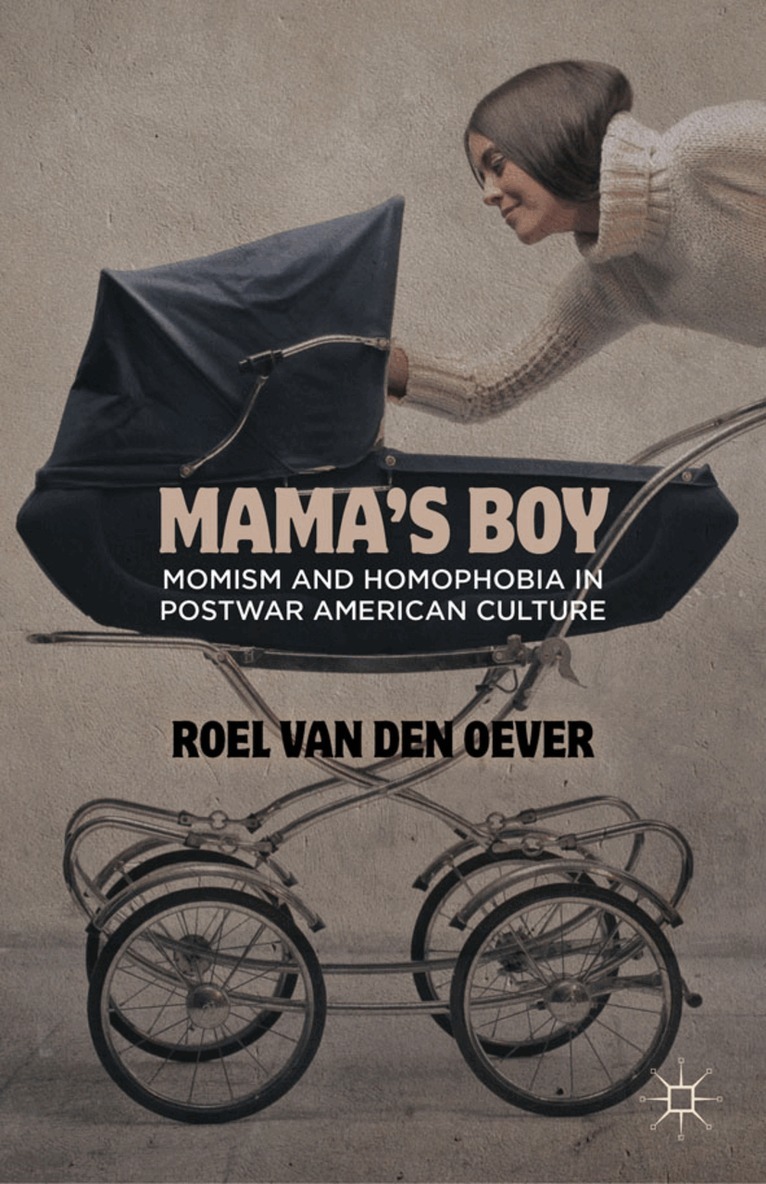
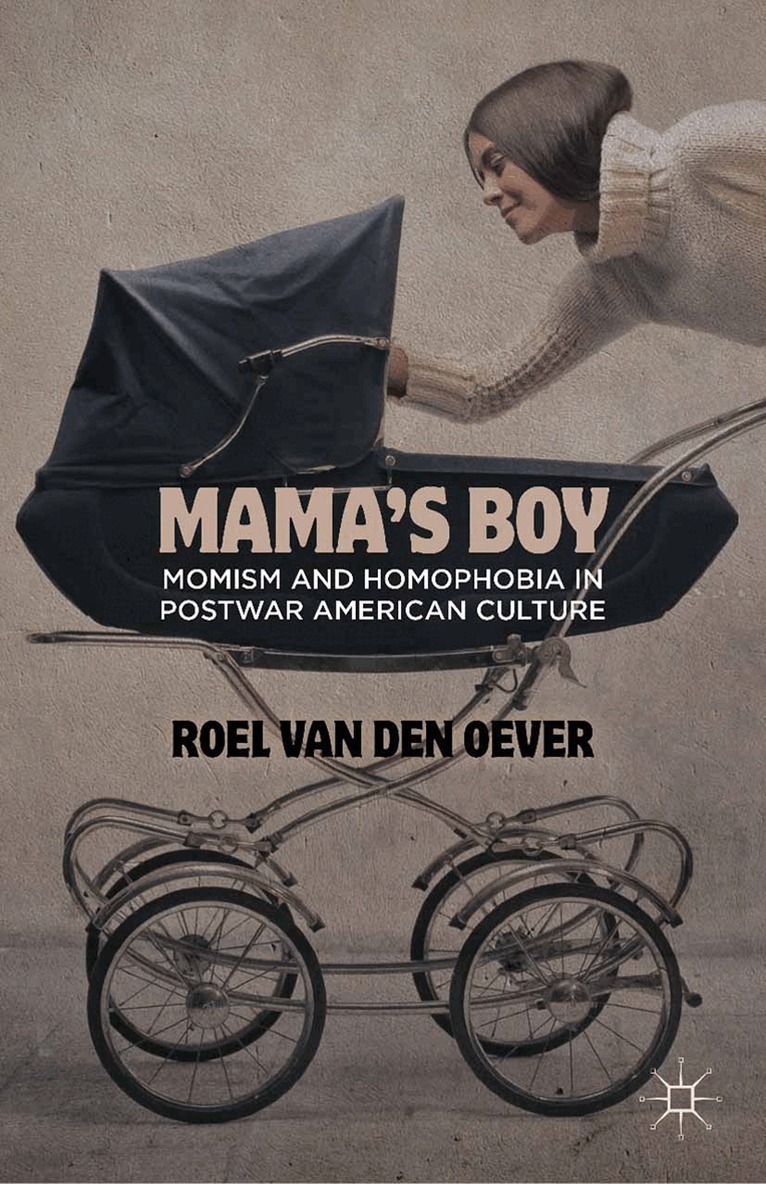
Mama's Boy
Momism and Homophobia in Postwar American Culture
Av Roel Van den Oever, Kenneth A. Loparo m. fl.
Inbunden, 2012
635 kr
Lägg i varukorg
In postwar America, the discourse of Momism advanced the idea that an over-affectionate or too-distant mother hampers the social and psychosexual development of her children, in particular her sons. Deemed worst of all was the outcome of homosexuality, since the period saw an intense policing of …
Mama's Boy
Momism and Homophobia in Postwar American Culture
Av Roel Van den Oever, Kenneth A. Loparo m. fl.
Häftad, 2015
635 kr
Lägg i varukorg
In postwar America, the discourse of Momism advanced the idea that an over-affectionate or too-distant mother hampers the social and psychosexual development of her children, in particular her sons. Deemed worst of all was the outcome of homosexuality, since the period saw an intense policing of …
Bodies That Still Matter
Resonances of the Work of Judith Butler
Av Annemie Halsema, Katja Kwastek m. fl.
Inbunden, 2021
2139 kr
Lägg i varukorg
The volume brings together essays from scholars across academic disciplines who apply, reflect on, and further American philosopher Judith Butler's ideas in their own research.