Roger Blench – författare
Visar alla böcker från författaren Roger Blench. Handla med fri frakt och snabb leverans.
34 produkter
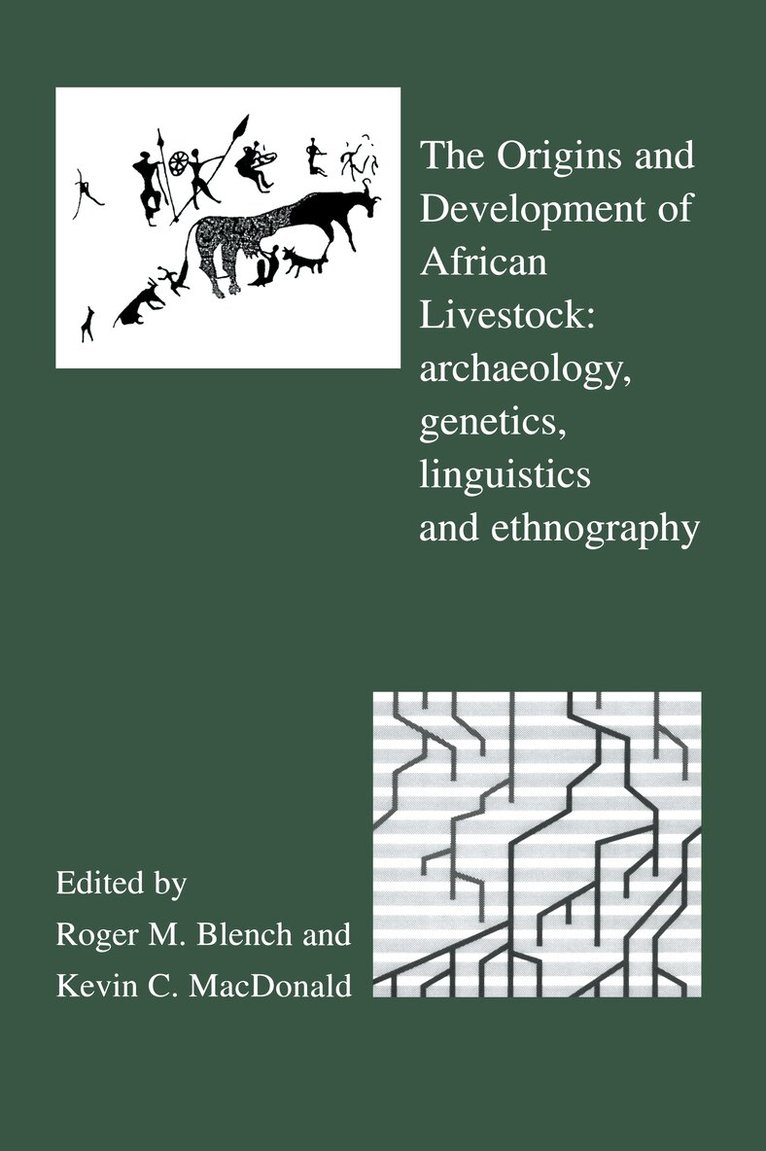
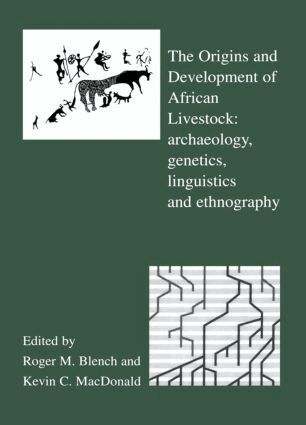
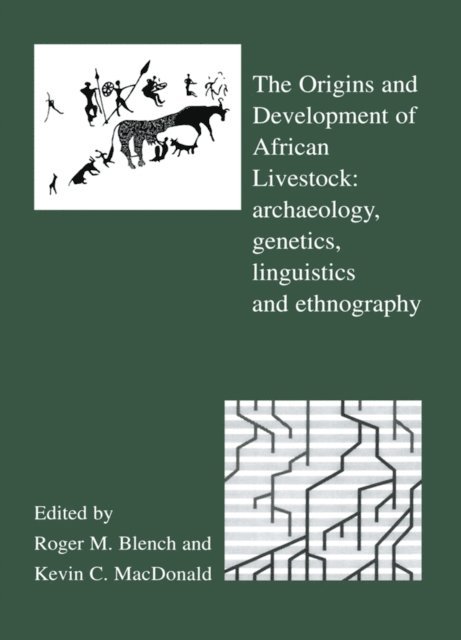
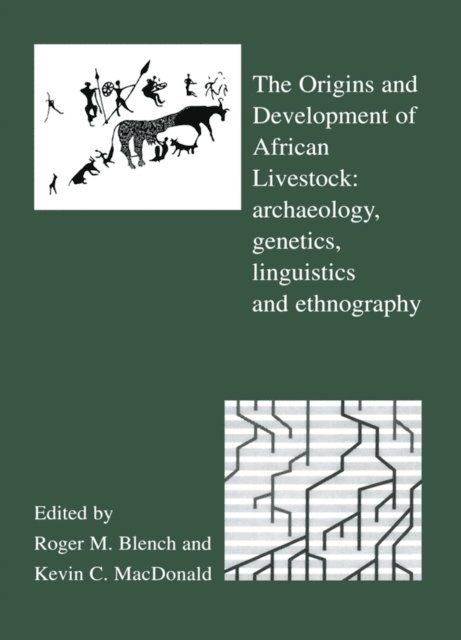
Origins and Development of African Livestock
Archaeology, Genetics, Linguistics and Ethnography
Av Roger Blench, Kevin MacDonald
Inbunden, 1999
3904 kr
Lägg i varukorg
This book presents an interdisciplinary overview of the origins of African livestock, placing Africa as one of the world centres for animal domestication. With sections on archaeology, genetics, linguistics and ethnography, this collection contains over twenty contributions from the field's …
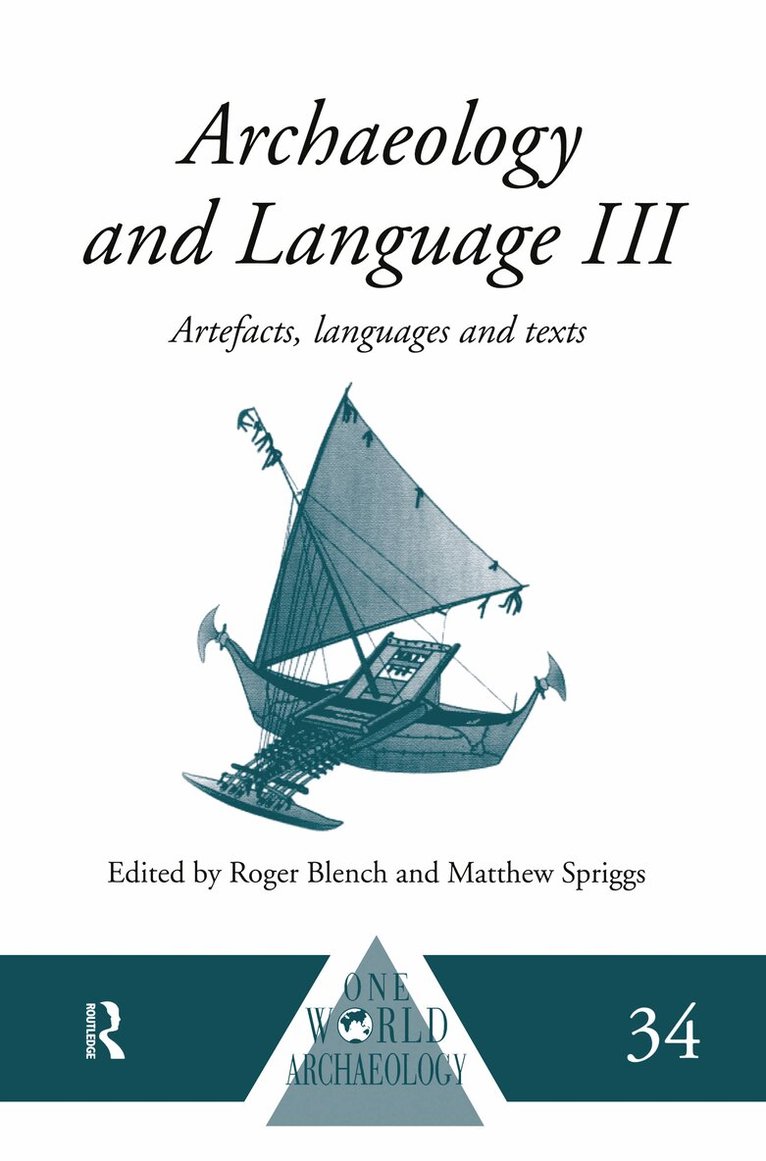
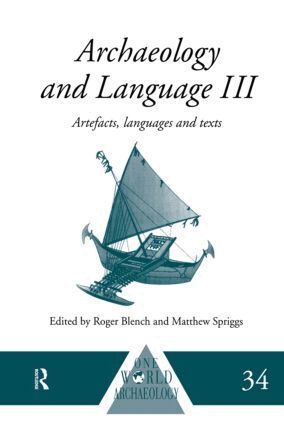
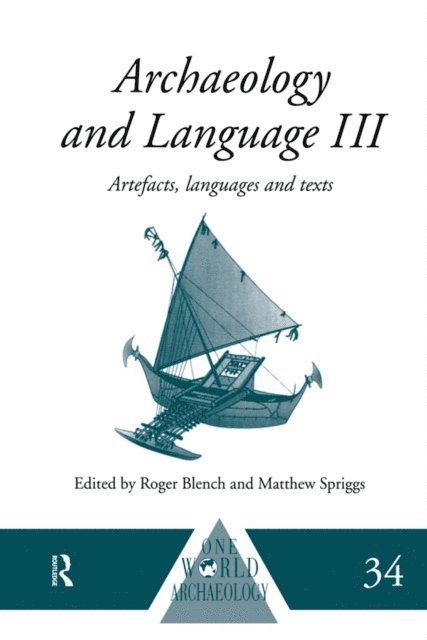
Archaeology and Language III
Artefacts, Languages and Texts
Av Roger Blench, Matthew Spriggs
Inbunden, 1999
2585 kr
Lägg i varukorg
Archaeology and Language III interprets results from archaeological data in terms of language distribution and change, providing the tools for a radical rewriting of the conventional discourse of prehistory. Individual chapters present case studies of artefacts and fragmentary textual materials, …
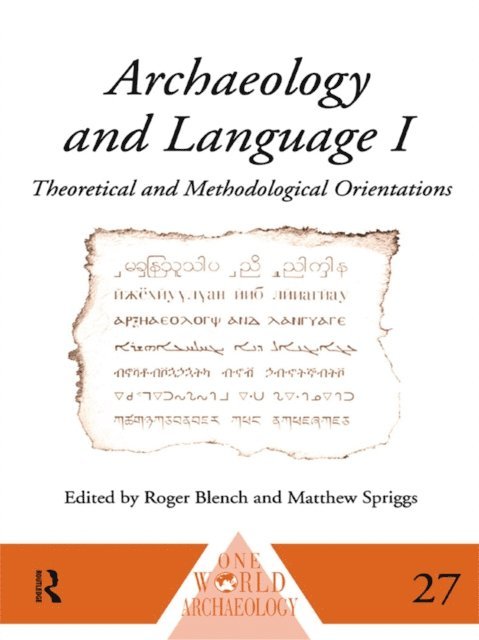
Archaeology and Language I
Theoretical and Methodological Orientations
Av Roger Blench, Matthew Spriggs
Inbunden, 1997
2585 kr
Lägg i varukorg
Archaeology and Language I represents groundbreaking work in synthesizing two disciplines that are now seen as interlinked: linguistics and archaeology. This volume is the first of a three-part survey of innovative results emerging from their combination.Archaeology and historical linguistics have …
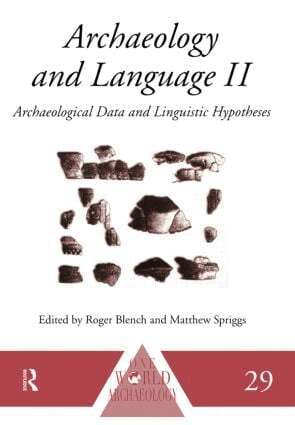
Archaeology and Language II
Archaeological Data and Linguistic Hypotheses
Av Roger Blench, Matthew Spriggs
Inbunden, 1998
2585 kr
Lägg i varukorg
Using language to date the origin and spread of food production, Archaeology and Language II represents groundbreaking work in synthesizing two disciplines that are now seen as interlinked: linguistics and archaeology. This volume is the second part of a three-part survey of innovative results …
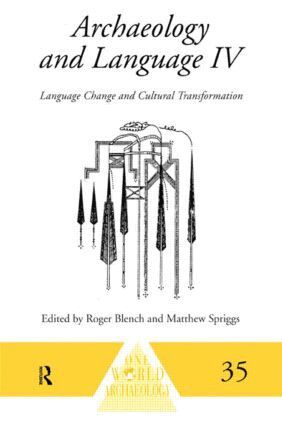
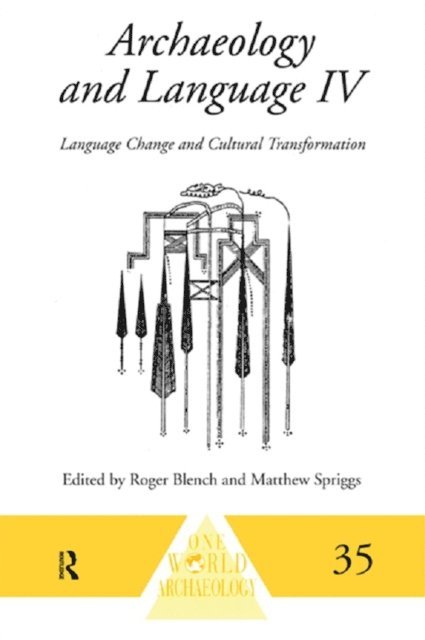
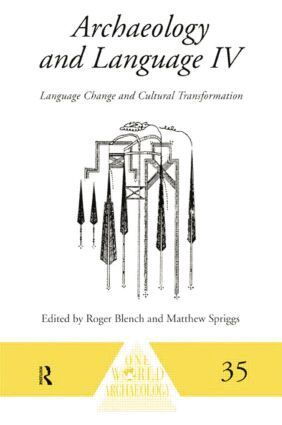
Archaeology and Language IV
Language Change and Cultural Transformation
Av Roger Blench, Matthew Spriggs
Inbunden, 1999
1566 kr
Lägg i varukorg
Archaeology and Language IV examines a variety of pressing issues regarding linguistic and cultural change. It provides a challenging variety of case-studies which demonstrate how global patterns of language distribution and change can be interwoven to produce a rich historical narrative, and fuel …
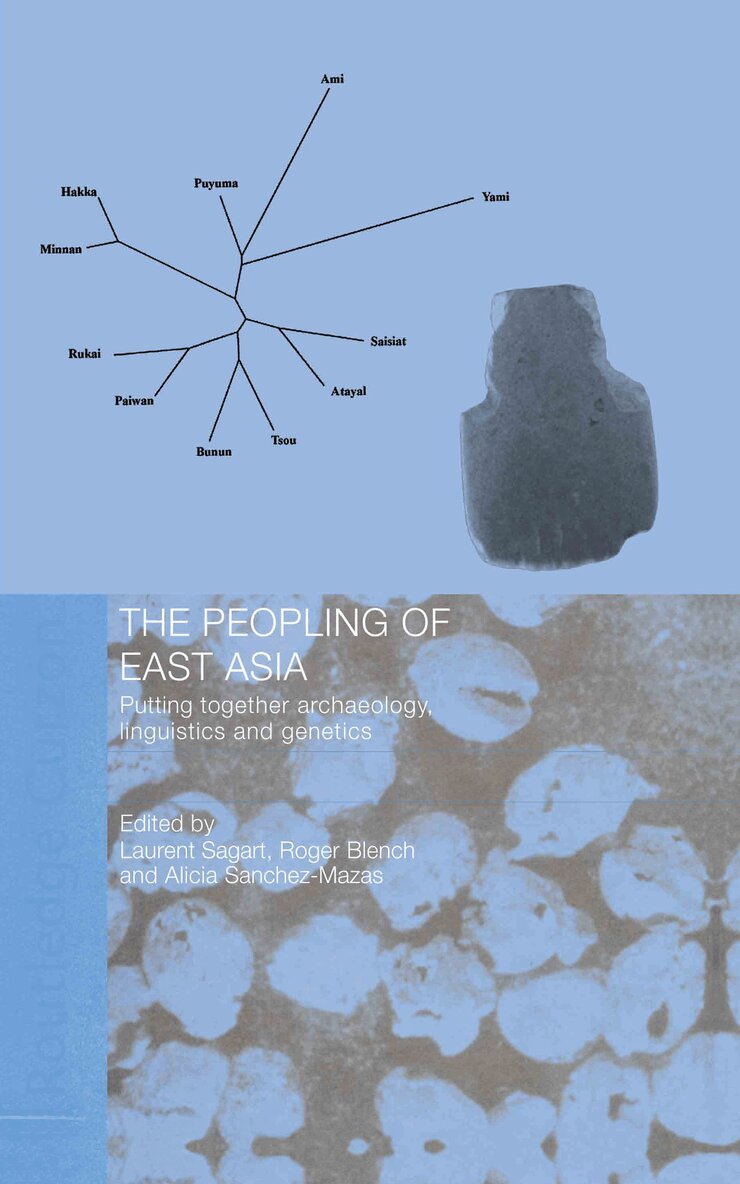
Peopling of East Asia
Putting Together Archaeology, Linguistics and Genetics
Av Roger Blench, Laurent Sagart
Inbunden, 2005
2510 kr
Lägg i varukorg
One of the most dynamic research areas in the prehistory of East Asian regions is the synthesis of the findings of archaeology, linguistics and genetics. Several countries have only recently opened to field research and highly active local groups have made possible a raft of collaborative studies …
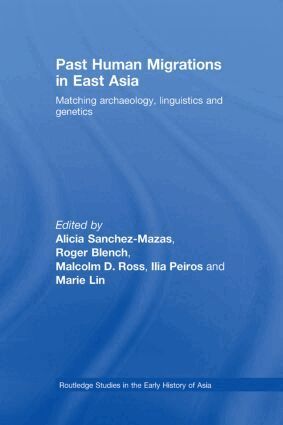
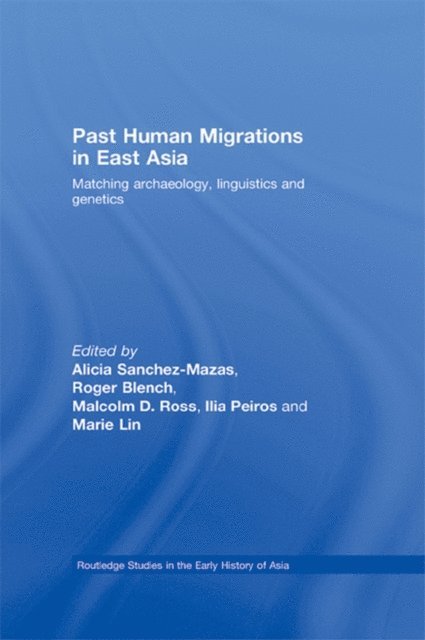
Past Human Migrations in East Asia
Matching Archaeology, Linguistics and Genetics
Av Alicia Sanchez-Mazas, Roger Blench m. fl.
Inbunden, 2008
3155 kr
Lägg i varukorg
The study of the prehistory of East Asia is developing very rapidly. In uncovering the story of the flows of human migration that constituted the peopling of East Asia there exists widespread debate about the nature of evidence and the tools for correlating results from different disciplines. …
Archaeology and Language I
Theoretical and Methodological Orientations
Av Roger Blench, Matthew Spriggs
Häftad, 2013
936 kr
Lägg i varukorg
Archaeology and Language I represents groundbreaking work in synthesizing two disciplines that are now seen as interlinked: linguistics and archaeology. This volume is the first of a three-part survey of innovative results emerging from their combination.Archaeology and historical linguistics have …
Origins and Development of African Livestock
Archaeology, Genetics, Linguistics and Ethnography
Av Roger Blench, Kevin MacDonald
Häftad, 2011
772 kr
Lägg i varukorg
This book presents an interdisciplinary overview of the origins of African livestock, placing Africa as one of the world centres for animal domestication. With sections on archaeology, genetics, linguistics and ethnography, this collection contains over twenty contributions from the field's …
Archaeology and Language II
Archaeological Data and Linguistic Hypotheses
Av Ronald C. Harvey, Roger Blench m. fl.
Häftad, 2012
945 kr
Lägg i varukorg
Using language to date the origin and spread of food production, Archaeology and Language II represents groundbreaking work in synthesizing two disciplines that are now seen as interlinked: linguistics and archaeology. This volume is the second part of a three-part survey of innovative results …
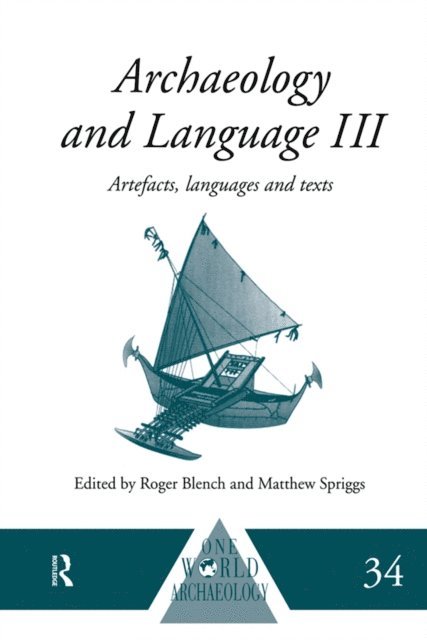
Archaeology and Language III
Artefacts, Languages and Texts
Av Roger Blench, Matthew Spriggs
Häftad, 2012
876 kr
Lägg i varukorg
Archaeology and Language III interprets results from archaeological data in terms of language distribution and change, providing the tools for a radical rewriting of the conventional discourse of prehistory. Individual chapters present case studies of artefacts and fragmentary textual materials, …
Past Human Migrations in East Asia
Matching Archaeology, Linguistics and Genetics
Av Alicia Sanchez-Mazas, Roger Blench m. fl.
Häftad, 2012
921 kr
Lägg i varukorg
The study of the prehistory of East Asia is developing very rapidly. In uncovering the story of the flows of human migration that constituted the peopling of East Asia there exists widespread debate about the nature of evidence and the tools for correlating results from different disciplines. …
Archaeology, Language, and the African Past
Av Roger Blench
Inbunden, 2006
1899 kr
Lägg i varukorg
Archaeology, Language, and the African Past is an overview of theories and methods, a fusion of African linguistics and archaeology. Roger Blench provides a comprehensive look at the history of all African language families, incorporating the latest linguistic classifications, current evidence from …
Archaeology, Language, and the African Past
Av Roger Blench
Häftad, 2006
953 kr
Lägg i varukorg
Archaeology, Language, and the African Past is an overview of theories and methods, a fusion of African linguistics and archaeology. Roger Blench provides a comprehensive look at the history of all African language families, incorporating the latest linguistic classifications, current evidence from …
Archaeology, Language, and the African Past
Av Roger Blench
E-bok, 2006
1021 kr
Lägg i varukorg
Archaeology, Language, and the African Past is an overview of theories and methods, a fusion of African linguistics and archaeology. Roger Blench provides a comprehensive look at the history of all African language families, incorporating the latest linguistic classifications, current evidence from …
Past Human Migrations in East Asia
Matching Archaeology, Linguistics and Genetics
Av Marie Lin, Ilia Peiros m. fl.
E-bok, 2008
1088 kr
Lägg i varukorg
The study of the prehistory of East Asia is developing very rapidly. In uncovering the story of the flows of human migration that constituted the peopling of East Asia there exists widespread debate about the nature of evidence and the tools for correlating results from different disciplines. …
Past Human Migrations in East Asia
Matching Archaeology, Linguistics and Genetics
Av Marie Lin, Ilia Peiros m. fl.
E-bok, 2008
1064 kr
Lägg i varukorg
The study of the prehistory of East Asia is developing very rapidly. In uncovering the story of the flows of human migration that constituted the peopling of East Asia there exists widespread debate about the nature of evidence and the tools for correlating results from different disciplines. …
Peopling of East Asia
Putting Together Archaeology, Linguistics and Genetics
Av Laurent Sagart, Roger Blench
E-bok, 2005
910 kr
Lägg i varukorg
One of the most dynamic research areas in the prehistory of East Asian regions is the synthesis of the findings of archaeology, linguistics and genetics. Several countries have only recently opened to field research and highly active local groups have made possible a raft of collaborative studies …
Peopling of East Asia
Putting Together Archaeology, Linguistics and Genetics
Av Laurent Sagart, Roger Blench
E-bok, 2005
910 kr
Lägg i varukorg
One of the most dynamic research areas in the prehistory of East Asian regions is the synthesis of the findings of archaeology, linguistics and genetics. Several countries have only recently opened to field research and highly active local groups have made possible a raft of collaborative studies …
Archaeology and Language IV
Language Change and Cultural Transformation
Av Matthew Spriggs, Roger Blench
E-bok, 2003
660 kr
Lägg i varukorg
Archaeology and Language IV examines a variety of pressing issues regarding linguistic and cultural change. It provides a challenging variety of case-studies which demonstrate how global patterns of language distribution and change can be interwoven to produce a rich historical narrative, and fuel …
Archaeology and Language IV
Language Change and Cultural Transformation
Av Matthew Spriggs, Roger Blench
E-bok, 2003
660 kr
Lägg i varukorg
Archaeology and Language IV examines a variety of pressing issues regarding linguistic and cultural change. It provides a challenging variety of case-studies which demonstrate how global patterns of language distribution and change can be interwoven to produce a rich historical narrative, and fuel …
Archaeology and Language II
Archaeological Data and Linguistic Hypotheses
Av Matthew Spriggs, Roger Blench
E-bok, 2003
977 kr
Lägg i varukorg
Using language to date the origin and spread of food production, Archaeology and Language II represents groundbreaking work in synthesizing two disciplines that are now seen as interlinked: linguistics and archaeology. This volume is the second part of a three-part survey of innovative results …
Archaeology and Language II
Archaeological Data and Linguistic Hypotheses
Av Matthew Spriggs, Roger Blench
E-bok, 2003
999 kr
Lägg i varukorg
Using language to date the origin and spread of food production, Archaeology and Language II represents groundbreaking work in synthesizing two disciplines that are now seen as interlinked: linguistics and archaeology. This volume is the second part of a three-part survey of innovative results …
Archaeology and Language I
Theoretical and Methodological Orientations
Av Matthew Spriggs, Roger Blench
E-bok, 2003
1082 kr
Lägg i varukorg
Archaeology and Language I represents groundbreaking work in synthesizing two disciplines that are now seen as interlinked: linguistics and archaeology. This volume is the first of a three-part survey of innovative results emerging from their combination. Archaeology and historical linguistics have …
Archaeology and Language I
Theoretical and Methodological Orientations
Av Matthew Spriggs, Roger Blench
E-bok, 2003
1082 kr
Lägg i varukorg
Archaeology and Language I represents groundbreaking work in synthesizing two disciplines that are now seen as interlinked: linguistics and archaeology. This volume is the first of a three-part survey of innovative results emerging from their combination. Archaeology and historical linguistics have …
Archaeology and Language III
Artefacts, Languages and Texts
Av Matthew Spriggs, Roger Blench
E-bok, 2012
1034 kr
Lägg i varukorg
Archaeology and Language III interprets results from archaeological data in terms of language distribution and change, providing the tools for a radical rewriting of the conventional discourse of prehistory. Individual chapters present case studies of artefacts and fragmentary textual materials, …
Archaeology and Language III
Artefacts, Languages and Texts
Av Matthew Spriggs, Roger Blench
E-bok, 2012
1012 kr
Lägg i varukorg
Archaeology and Language III interprets results from archaeological data in terms of language distribution and change, providing the tools for a radical rewriting of the conventional discourse of prehistory. Individual chapters present case studies of artefacts and fragmentary textual materials, …
Origins and Development of African Livestock
Archaeology, Genetics, Linguistics and Ethnography
Av Kevin MacDonald, Roger Blench
E-bok, 2006
910 kr
Lägg i varukorg
This book presents an interdisciplinary overview of the origins of African livestock, placing Africa as one of the world centres for animal domestication. With sections on archaeology, genetics, linguistics and ethnography, this collection contains over twenty contributions from the field''s …
Origins and Development of African Livestock
Archaeology, Genetics, Linguistics and Ethnography
Av Kevin MacDonald, Roger Blench
E-bok, 2006
910 kr
Lägg i varukorg
This book presents an interdisciplinary overview of the origins of African livestock, placing Africa as one of the world centres for animal domestication. With sections on archaeology, genetics, linguistics and ethnography, this collection contains over twenty contributions from the field''s …
Archaeology and Language IV
Language Change and Cultural Transformation
Av Roger Blench, Matthew Spriggs
Häftad, 2014
562 kr
Lägg i varukorg
Archaeology and Language IV examines a variety of pressing issues regarding linguistic and cultural change. It provides a challenging variety of case-studies which demonstrate how global patterns of language distribution and change can be interwoven to produce a rich historical narrative, and fuel …