Roger D. Markwick – författare
Visar alla böcker från författaren Roger D. Markwick. Handla med fri frakt och snabb leverans.
6 produkter
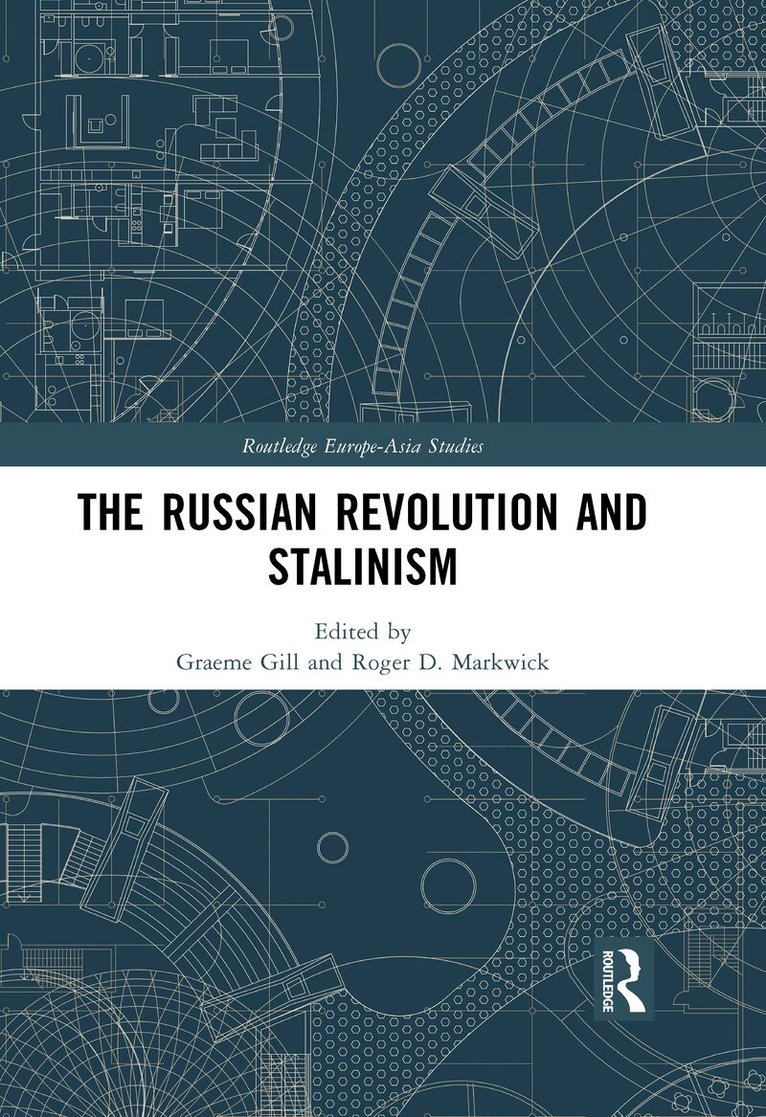
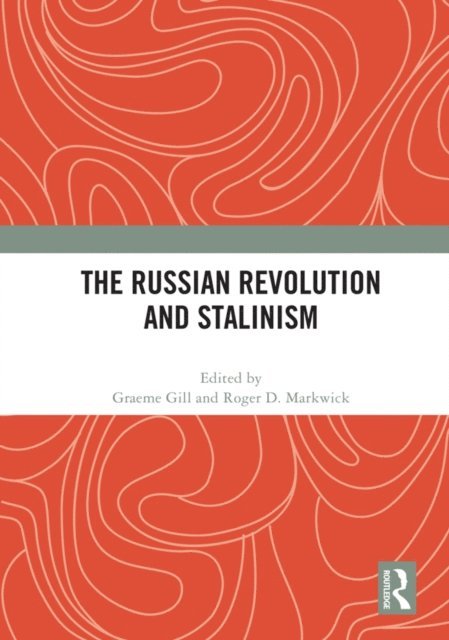
Russian Revolution and Stalinism
Av Graeme Gill, Roger D. Markwick
Inbunden, 2021
2586 kr
Lägg i varukorg
This book focuses upon significant aspects of Stalinism as a system in the USSR. It sheds new light on established questions and addresses issues that have never before been raised in the study of Stalinism. Stalinism constitutes one of the most striking and contentious phenomena of the twentieth …
Russia's Stillborn Democracy?
From Gorbachev to Yeltsin
Av Roger D. Markwick, Graeme Gill
E-bok, 2000
326 kr
Lägg i varukorg
The decade and a half since Gorbachev came to power has been a tumultuous time for Russia. It has seen the expectations raised by perestroika dashed, the collapse of the Soviet superpower, and the emergence of a new Russian state claiming to base itself on democratic, market principles. It has seen …
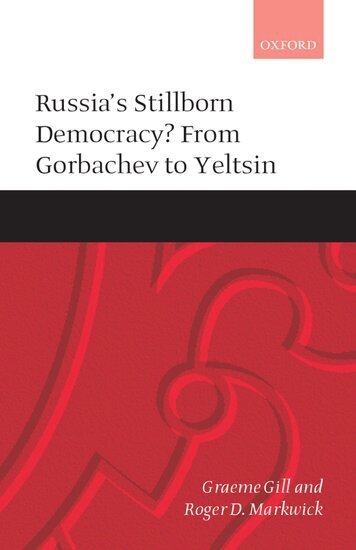
Russia's Stillborn Democracy?
From Gorbachev to Yeltsin
Av Graeme Gill, Roger D. Markwick
Häftad, 2000
675 kr
Lägg i varukorg
The decade and a half since Gorbachev came to power has been a tumultuous time for Russia. It has seen the expectations raised by perestroika dashed, the collapse of the Soviet superpower, and the emergence of a new Russian state claiming to base itself on democratic, market principles. It has seen …
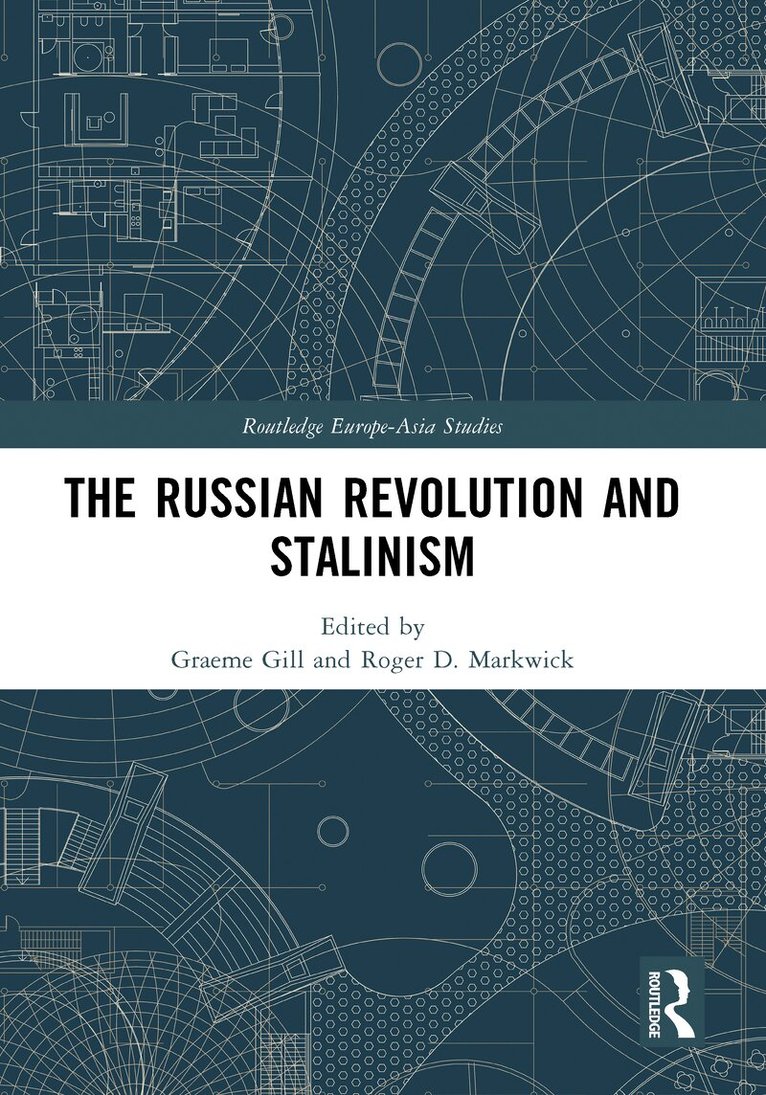
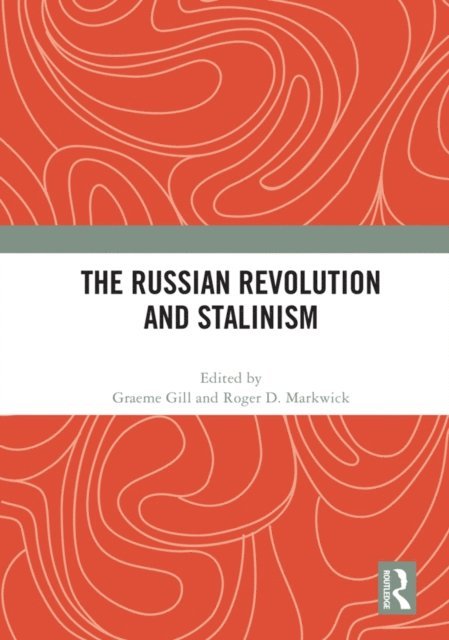
Russian Revolution and Stalinism
Av Graeme Gill, Roger D. Markwick
Häftad, 2023
712 kr
Lägg i varukorg
This book focuses upon significant aspects of Stalinism as a system in the USSR. It sheds new light on established questions and addresses issues that have never before been raised in the study of Stalinism. Stalinism constitutes one of the most striking and contentious phenomena of the twentieth …
Russian Revolution and Stalinism
Av Roger D. Markwick, Graeme Gill
E-bok, 2021
820 kr
Lägg i varukorg
This book focuses upon significant aspects of Stalinism as a system in the USSR. It sheds new light on established questions and addresses issues that have never before been raised in the study of Stalinism. Stalinism constitutes one of the most striking and contentious phenomena of the twentieth …
Russian Revolution and Stalinism
Av Roger D. Markwick, Graeme Gill
E-bok, 2021
838 kr
Lägg i varukorg
This book focuses upon significant aspects of Stalinism as a system in the USSR. It sheds new light on established questions and addresses issues that have never before been raised in the study of Stalinism. Stalinism constitutes one of the most striking and contentious phenomena of the twentieth …