Roger Hansford - Böcker
Visar alla böcker från författaren Roger Hansford. Handla med fri frakt och snabb leverans.
4 produkter
4 produkter
165 kr
Skickas inom 5-8 vardagar
727 kr
Skickas inom 10-15 vardagar
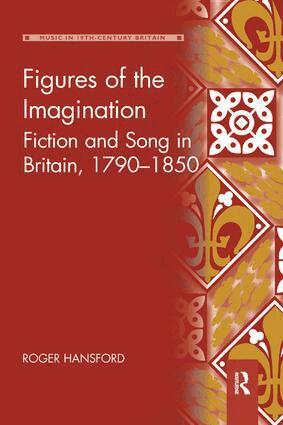
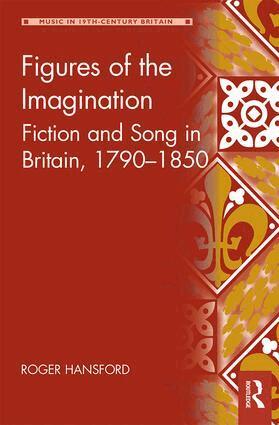
This new study of the intersection of romance novels with vocal music records a society on the cusp of modernisation, with a printing industry emerging to serve people’s growing appetites for entertainment amidst their changing views of religion and the occult. No mere diversion, fiction was integral to musical culture and together both art forms reveal key intellectual currents that circulated in the early nineteenth-century British home and were shared by many consumers. Roger Hansford explores relationships between music produced in the early 1800s for domestic consumption and the fictional genre of romance, offering a new view of romanticism in British print culture. He surveys romance novels by Ann Radcliffe, Matthew Lewis, Sir Walter Scott, James Hogg, Edward Bulwer and Charles Kingsley in the period 1790–1850, interrogating the ways that music served to create mood and atmosphere, enlivened social scenes and contributed to plot developments. He explores the connections between musical scenes in romance fiction and the domestic song literature, treating both types of source and their intersection as examples of material culture. Hansford’s intersectional reading revolves around a series of imaginative figures – including the minstrel, fairies, mermaids, ghosts, and witches, and Christians engaged both in virtue and vice – the identities of which remained consistent as influence passed between the art forms. While romance authors quoted song lyrics and included musical descriptions and characters, their novels recorded and modelled the performance of songs by the middle and upper classes, influencing the work of composers and the actions of performers who read romance fiction.
167 kr
Tillfälligt slut
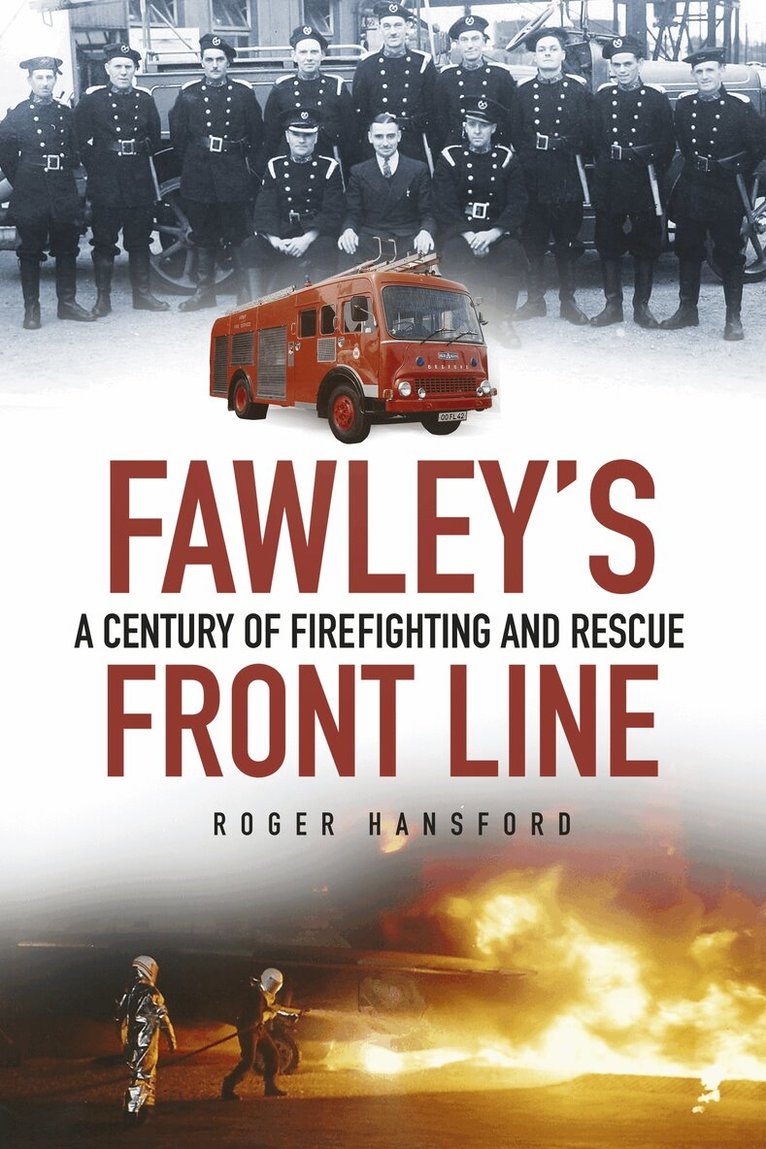
Home to the UK’s largest refinery, Fawley is among the most at-risk parts of the country for petrochemical fires. Its fire service is vital to the area’s infrastructure and its firefighters must always be prepared. For the first time, the story of this fire station and of the Waterside’s private and military fire brigades is told. From establishment in the early twentieth century, through the development of the fire engine and firefighting techniques, to combating modern-day terrorist threats, Fawley’s firefighters have witnessed it all. This book looks at how the station and its crew, now reduced from full- to part-time staffing, have evolved in the face of new dangers and challenges.
2 430 kr
Skickas inom 10-15 vardagar
This new study of the intersection of romance novels with vocal music records a society on the cusp of modernisation, with a printing industry emerging to serve people’s growing appetites for entertainment amidst their changing views of religion and the occult. No mere diversion, fiction was integral to musical culture and together both art forms reveal key intellectual currents that circulated in the early nineteenth-century British home and were shared by many consumers. Roger Hansford explores relationships between music produced in the early 1800s for domestic consumption and the fictional genre of romance, offering a new view of romanticism in British print culture. He surveys romance novels by Ann Radcliffe, Matthew Lewis, Sir Walter Scott, James Hogg, Edward Bulwer and Charles Kingsley in the period 1790–1850, interrogating the ways that music served to create mood and atmosphere, enlivened social scenes and contributed to plot developments. He explores the connections between musical scenes in romance fiction and the domestic song literature, treating both types of source and their intersection as examples of material culture. Hansford’s intersectional reading revolves around a series of imaginative figures – including the minstrel, fairies, mermaids, ghosts, and witches, and Christians engaged both in virtue and vice – the identities of which remained consistent as influence passed between the art forms. While romance authors quoted song lyrics and included musical descriptions and characters, their novels recorded and modelled the performance of songs by the middle and upper classes, influencing the work of composers and the actions of performers who read romance fiction.