Roger Hopkins Burke - Böcker
Visar alla böcker från författaren Roger Hopkins Burke. Handla med fri frakt och snabb leverans.
17 produkter
17 produkter
1 061 kr
Skickas inom 10-15 vardagar
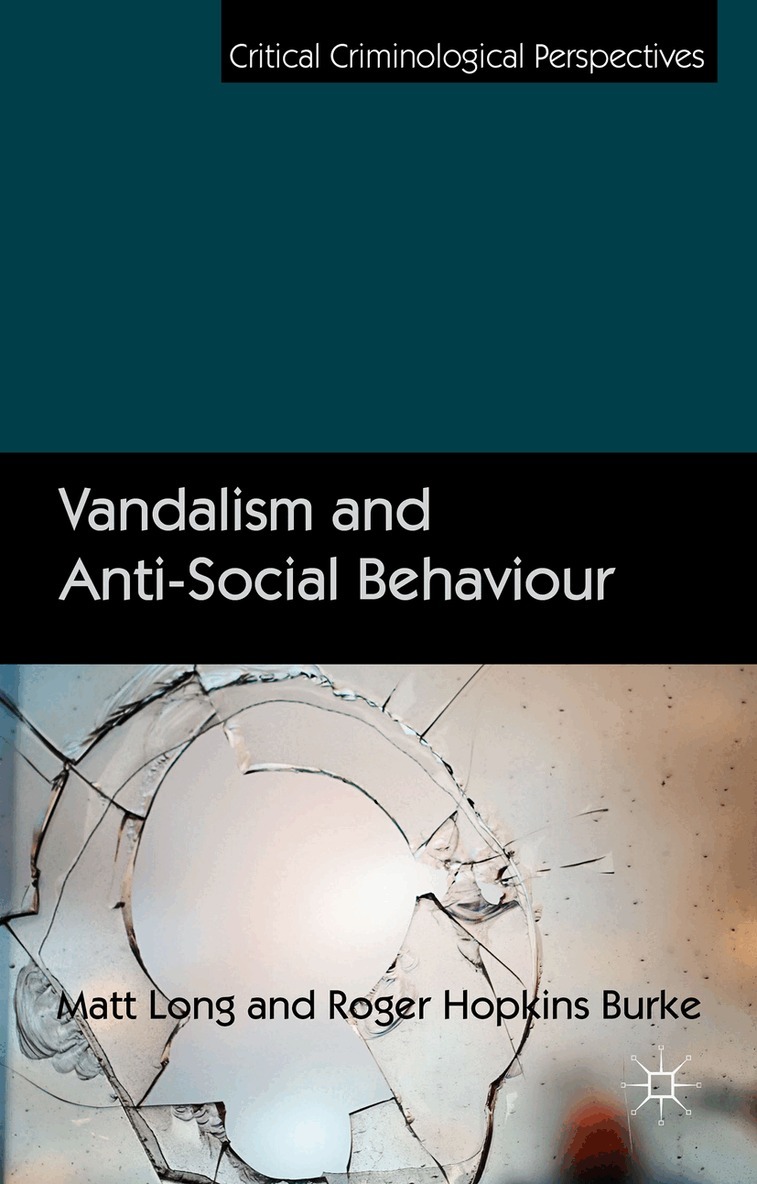
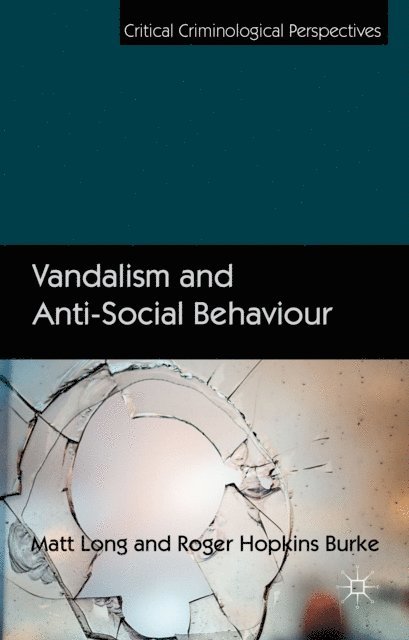
Vandalism and Anti-Social Behaviour forwards a new typology of vandalism. The authors argue that in order to fully understand vandalism and anti-social behaviour, a culturally criminological perspective should be fostered, which accounts for the emotional and experiential aspects of crime.
2 572 kr
Skickas inom 10-15 vardagar
Criminal Justice Theory examines the theoretical foundations of criminal justice in the modern era, whilst also considering legal philosophy and ethics, explaining criminal behaviour, and discussing policing, the court process, and penology in the context of contemporary socio-economic debates.Throughout the book, a realist theoretical thread acts as a guide interlinking concepts of social progress, conflict, and cerebral models of criminal justice, whilst also recognizing our collusion in the creation of an increasingly pervasive culture of socio-control which now characterizes contemporary society.The complex theoretical issues tackled in this book are addressed in an accessible style, making this a relevant and comprehensive introduction to criminal justice theory for students on a wide range of undergraduate criminal justice modules. It is also a helpful guide for those commencing postgraduate studies in the disciplines of criminal justice, criminology, and law.
668 kr
Skickas inom 10-15 vardagar
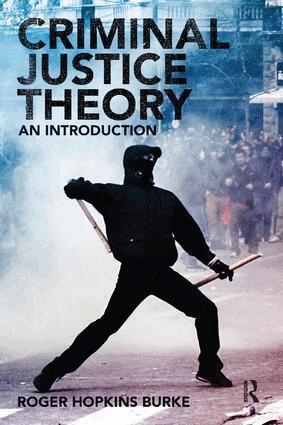
Criminal Justice Theory examines the theoretical foundations of criminal justice in the modern era, whilst also considering legal philosophy and ethics, explaining criminal behaviour, and discussing policing, the court process, and penology in the context of contemporary socio-economic debates.Throughout the book, a realist theoretical thread acts as a guide interlinking concepts of social progress, conflict, and cerebral models of criminal justice, whilst also recognizing our collusion in the creation of an increasingly pervasive culture of socio-control which now characterizes contemporary society.The complex theoretical issues tackled in this book are addressed in an accessible style, making this a relevant and comprehensive introduction to criminal justice theory for students on a wide range of undergraduate criminal justice modules. It is also a helpful guide for those commencing postgraduate studies in the disciplines of criminal justice, criminology, and law.
1 459 kr
Tillfälligt slut
This book provides a comprehensive and up-to-date introduction to criminological theory for students taking courses in criminology at both undergraduate and postgraduate level. Building on previous editions, which broadened the debate on criminological theory, this book presents the latest research and theoretical developments. The text is divided into five parts, the first three of which address ideal type models of criminal behaviour: the rational actor, predestined actor and victimized actor models. Within these, the various criminological theories are located chronologically in the context of one of these different traditions, and the strengths and weaknesses of each theory and model are clearly identified. The fourth part of the book looks closely at more recent attempts to integrate theoretical elements from both within and across models of criminal behaviour, while the fifth part addresses a number of key recent concerns of criminology: postmodernism, cultural criminology, globalization and communitarianism. All major theoretical perspectives are considered, including:classical criminology,biological and psychological positivism,labelling theories,feminist criminology,critical criminology and left realism,social control theories,the risk society.The new edition also features comprehensive coverage of recent developments in criminology, including situation action theory, desistance theory, peacemaking criminology, Loïc Wacquant’s thesis of the penal society, critical race theory and Southern theory. This revised and expanded fourth edition of An Introduction to Criminological Theory includes chapter summaries, critical thinking questions, a full glossary of terms and theories and a timeline of criminological theory, making it essential reading for those studying criminology.
627 kr
Tillfälligt slut
This book provides a comprehensive and up-to-date introduction to criminological theory for students taking courses in criminology at both undergraduate and postgraduate level. Building on previous editions, which broadened the debate on criminological theory, this book presents the latest research and theoretical developments. The text is divided into five parts, the first three of which address ideal type models of criminal behaviour: the rational actor, predestined actor and victimized actor models. Within these, the various criminological theories are located chronologically in the context of one of these different traditions, and the strengths and weaknesses of each theory and model are clearly identified. The fourth part of the book looks closely at more recent attempts to integrate theoretical elements from both within and across models of criminal behaviour, while the fifth part addresses a number of key recent concerns of criminology: postmodernism, cultural criminology, globalization and communitarianism. All major theoretical perspectives are considered, including:classical criminology,biological and psychological positivism,labelling theories,feminist criminology,critical criminology and left realism,social control theories,the risk society.The new edition also features comprehensive coverage of recent developments in criminology, including situation action theory, desistance theory, peacemaking criminology, Loïc Wacquant’s thesis of the penal society, critical race theory and Southern theory. This revised and expanded fourth edition of An Introduction to Criminological Theory includes chapter summaries, critical thinking questions, a full glossary of terms and theories and a timeline of criminological theory, making it essential reading for those studying criminology.
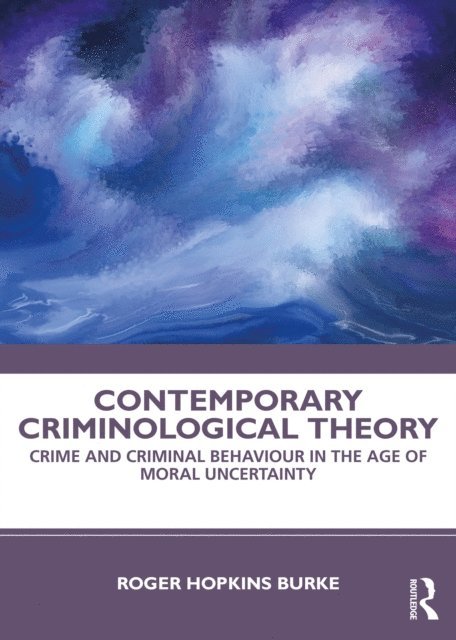
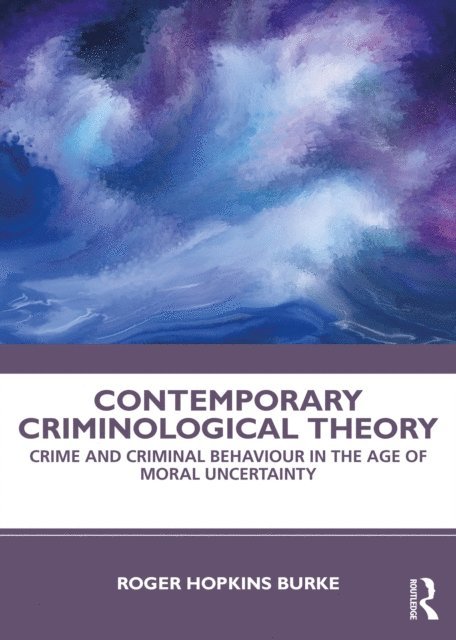
Contemporary Criminological Theory
Crime and Criminal Behaviour in the Age of Moral Uncertainty
Inbunden, Engelska, 2020
2 100 kr
Skickas inom 10-15 vardagar
This book offers a critical introduction to trends and developments in contemporary criminological theory. Designed both as a companion to An Introduction to Criminological Theory – also by Roger Hopkins Burke and published by Routledge – and as a standalone advanced textbook, it develops themes introduced previously in more detail, incorporates new critical and radical concepts and explores cutting-edge advances in theory. Key topics include the following: • Constitutive, anarchist, green and species, bio-critical, cultural, abolitionist and convict criminologies• Globalization and organized crime• Southern theory• Critical race theory• Terrorism and state violence• Gender, feminism and masculinity• Ultra-realism• Radical moral communitarianismThese key issues are discussed in the context of debates about the fragmentation of modernity and the postmodern condition; the rise of political populism, risk, surveillance and social control, and speculation about living in post-COVID-19 society and the future of neoliberalism. Written in a clear and direct style, this book will appeal to both undergraduate and postgraduate students of criminology, sociology and politics and is essential reading for advanced students of criminology looking for a way to engage with contemporary themes and concepts in theory.
Contemporary Criminological Theory
Crime and Criminal Behaviour in the Age of Moral Uncertainty
Häftad, Engelska, 2020
547 kr
Skickas inom 10-15 vardagar
This book offers a critical introduction to trends and developments in contemporary criminological theory. Designed both as a companion to An Introduction to Criminological Theory – also by Roger Hopkins Burke and published by Routledge – and as a standalone advanced textbook, it develops themes introduced previously in more detail, incorporates new critical and radical concepts and explores cutting-edge advances in theory. Key topics include the following: • Constitutive, anarchist, green and species, bio-critical, cultural, abolitionist and convict criminologies• Globalization and organized crime• Southern theory• Critical race theory• Terrorism and state violence• Gender, feminism and masculinity• Ultra-realism• Radical moral communitarianismThese key issues are discussed in the context of debates about the fragmentation of modernity and the postmodern condition; the rise of political populism, risk, surveillance and social control, and speculation about living in post-COVID-19 society and the future of neoliberalism. Written in a clear and direct style, this book will appeal to both undergraduate and postgraduate students of criminology, sociology and politics and is essential reading for advanced students of criminology looking for a way to engage with contemporary themes and concepts in theory.
589 kr
Skickas inom 10-15 vardagar
This book provides a comprehensive and up-to-date introduction to criminological theory for students taking courses in criminology at both undergraduate and postgraduate level. Building on previous editions and the previous companion text, this book presents the latest research and theoretical developments in a socio-political context.All major theoretical perspectives are considered, including:classical criminology,biological and psychological positivism,labelling theories,feminist criminology,critical criminology and left realism,situation action theories,desistance theories,social control theories,the risk society, postmodern condition, and terrorism.The new edition has been updated and revised over seven parts to include full chapters on key topics, such as Bourdieau and criminology, narrative criminology, cultural victimology, southern theory and criminology, green and species criminology, critical race theory, convict and abolitionist and convict criminologies, and ultra-realist criminology. These key issues are discussed in the context of debates about the fragmentation of modernity and the postmodern condition: the rise of political populism, risk, surveillance and social control, conspiracy theories, post-truth society and speculation about living in post–COVID-19 society, and the future of neoliberalism.Supplemented with chapter summaries, critical thinking questions, policy implications, a full glossary of terms and theories, and a timeline of criminological theory, this book will appeal to undergraduate and postgraduate students of criminology, sociology, and politics, and is essential reading for advanced students of criminology looking for a way to engage with contemporary themes and concepts in theory.
1 928 kr
Skickas inom 10-15 vardagar
This book provides a comprehensive and up-to-date introduction to criminological theory for students taking courses in criminology at both undergraduate and postgraduate level. Building on previous editions and the previous companion text, this book presents the latest research and theoretical developments in a socio-political context.All major theoretical perspectives are considered, including:classical criminology,biological and psychological positivism,labelling theories,feminist criminology,critical criminology and left realism,situation action theories,desistance theories,social control theories,the risk society, postmodern condition, and terrorism.The new edition has been updated and revised over seven parts to include full chapters on key topics, such as Bourdieau and criminology, narrative criminology, cultural victimology, southern theory and criminology, green and species criminology, critical race theory, convict and abolitionist and convict criminologies, and ultra-realist criminology. These key issues are discussed in the context of debates about the fragmentation of modernity and the postmodern condition: the rise of political populism, risk, surveillance and social control, conspiracy theories, post-truth society and speculation about living in post–COVID-19 society, and the future of neoliberalism.Supplemented with chapter summaries, critical thinking questions, policy implications, a full glossary of terms and theories, and a timeline of criminological theory, this book will appeal to undergraduate and postgraduate students of criminology, sociology, and politics, and is essential reading for advanced students of criminology looking for a way to engage with contemporary themes and concepts in theory.
1 591 kr
Tillfälligt slut
This book provides a comprehensive and up-to-date introduction to criminological theory for students taking courses in criminology at both undergraduate and postgraduate level. Building on previous editions, this book presents the latest research and theoretical developments. The text is divided into five parts, the first three of which address ideal type models of criminal behaviour: the rational actor, predestined actor and victimized actor models. Within these, the various criminological theories are located chronologically in the context of one of these different traditions, and the strengths and weaknesses of each theory and model are clearly identified. The fourth part of the book looks closely at more recent attempts to integrate theoretical elements from both within and across models of criminal behaviour, while the fifth part addresses a number of key recent concerns of criminology: postmodernism, cultural criminology, globalization and communitarianism, the penal society, southern criminology and critical criminology. All major theoretical perspectives are considered, including: classical criminology,biological and psychological positivism,labelling theories,feminist criminology,critical criminology and left realism,situation action,desistance theories,social control theories,the risk society, postmodern condition and terrorism.The new edition also features comprehensive coverage of recent developments in criminology, including ‘the myth of the crime drop’, the revitalization of critical criminology and political economy, shaming and crime, defiance theory, coerced mobility theory and new developments in social control and general strain theories. This revised and expanded fifth edition of An Introduction to Criminological Theory includes chapter summaries, critical thinking questions, policy implications, a full glossary of terms and theories and a timeline of criminological theory, making it essential reading for those studying criminology and taking courses on theoretical criminology, understanding crime, and crime and deviance
534 kr
Tillfälligt slut
This book provides a comprehensive and up-to-date introduction to criminological theory for students taking courses in criminology at both undergraduate and postgraduate level. Building on previous editions, this book presents the latest research and theoretical developments. The text is divided into five parts, the first three of which address ideal type models of criminal behaviour: the rational actor, predestined actor and victimized actor models. Within these, the various criminological theories are located chronologically in the context of one of these different traditions, and the strengths and weaknesses of each theory and model are clearly identified. The fourth part of the book looks closely at more recent attempts to integrate theoretical elements from both within and across models of criminal behaviour, while the fifth part addresses a number of key recent concerns of criminology: postmodernism, cultural criminology, globalization and communitarianism, the penal society, southern criminology and critical criminology. All major theoretical perspectives are considered, including: classical criminology,biological and psychological positivism,labelling theories,feminist criminology,critical criminology and left realism,situation action,desistance theories,social control theories,the risk society, postmodern condition and terrorism.The new edition also features comprehensive coverage of recent developments in criminology, including ‘the myth of the crime drop’, the revitalization of critical criminology and political economy, shaming and crime, defiance theory, coerced mobility theory and new developments in social control and general strain theories. This revised and expanded fifth edition of An Introduction to Criminological Theory includes chapter summaries, critical thinking questions, policy implications, a full glossary of terms and theories and a timeline of criminological theory, making it essential reading for those studying criminology and taking courses on theoretical criminology, understanding crime, and crime and deviance
2 491 kr
Skickas inom 10-15 vardagar
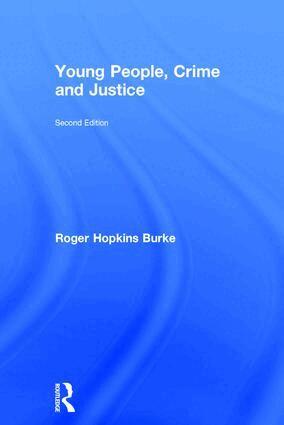
In the minds of the general public, young people and crime are intrinsically linked; wide-spread belief persists that such activities are a result of the ‘permissive 1960s’ and the changing face of the traditional nuclear family. Roger Hopkins Burke challenges these preconceptions and offers a detailed and comprehensive introduction to youth crime and the subsequent response from the criminal justice system. This extended and fully updated new edition explores: The development of young people and attempts to educate, discipline, control and construct them, Criminological explanations and empirical evidence of why young people become involved in criminality, The system established by the Youth Justice Board, its theoretical foundations, and the extent of its success, Alternative approaches to youth justice around the globe and the apparent homogenisation throughout the neoliberal world.The second edition also includes new chapters looking at youth justice in the wider context of social policy and comparative youth justice. Young People, Crime and Justice is the perfect undergraduate critical introduction to the youth justice system, following a unique left-realist perspective while providing a balanced account of the critical criminology agenda, locating the practical working of the system in the critical socio-economic context. It is essential reading for students taking modules on youth crime, youth justice and contemporary social and criminal justice policy. Text features include key points, chapter summaries and review questions.
578 kr
Skickas inom 10-15 vardagar
In the minds of the general public, young people and crime are intrinsically linked; wide-spread belief persists that such activities are a result of the ‘permissive 1960s’ and the changing face of the traditional nuclear family. Roger Hopkins Burke challenges these preconceptions and offers a detailed and comprehensive introduction to youth crime and the subsequent response from the criminal justice system. This extended and fully updated new edition explores: The development of young people and attempts to educate, discipline, control and construct them, Criminological explanations and empirical evidence of why young people become involved in criminality, The system established by the Youth Justice Board, its theoretical foundations, and the extent of its success, Alternative approaches to youth justice around the globe and the apparent homogenisation throughout the neoliberal world.The second edition also includes new chapters looking at youth justice in the wider context of social policy and comparative youth justice. Young People, Crime and Justice is the perfect undergraduate critical introduction to the youth justice system, following a unique left-realist perspective while providing a balanced account of the critical criminology agenda, locating the practical working of the system in the critical socio-economic context. It is essential reading for students taking modules on youth crime, youth justice and contemporary social and criminal justice policy. Text features include key points, chapter summaries and review questions.
1 061 kr
Skickas inom 10-15 vardagar
Vandalism and Anti-Social Behaviour forwards a new typology of vandalism. The authors argue that in order to fully understand vandalism and anti-social behaviour, a culturally criminological perspective should be fostered, which accounts for the emotional and experiential aspects of crime.
565 kr
Skickas inom 10-15 vardagar
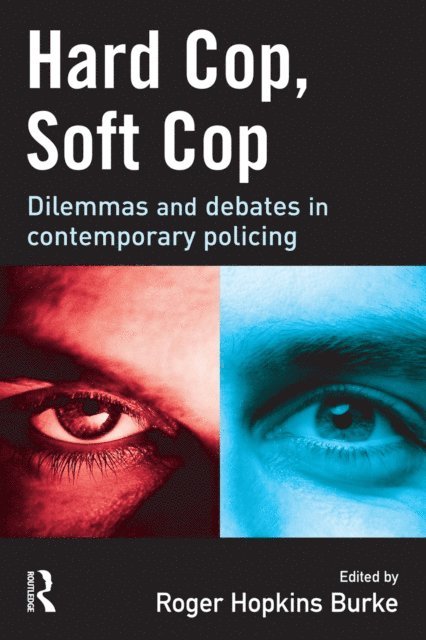
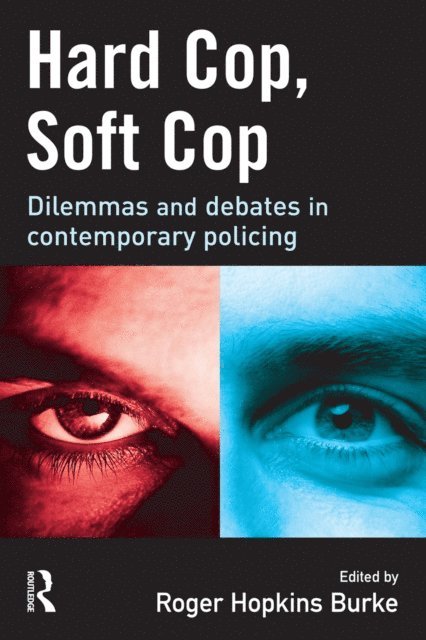
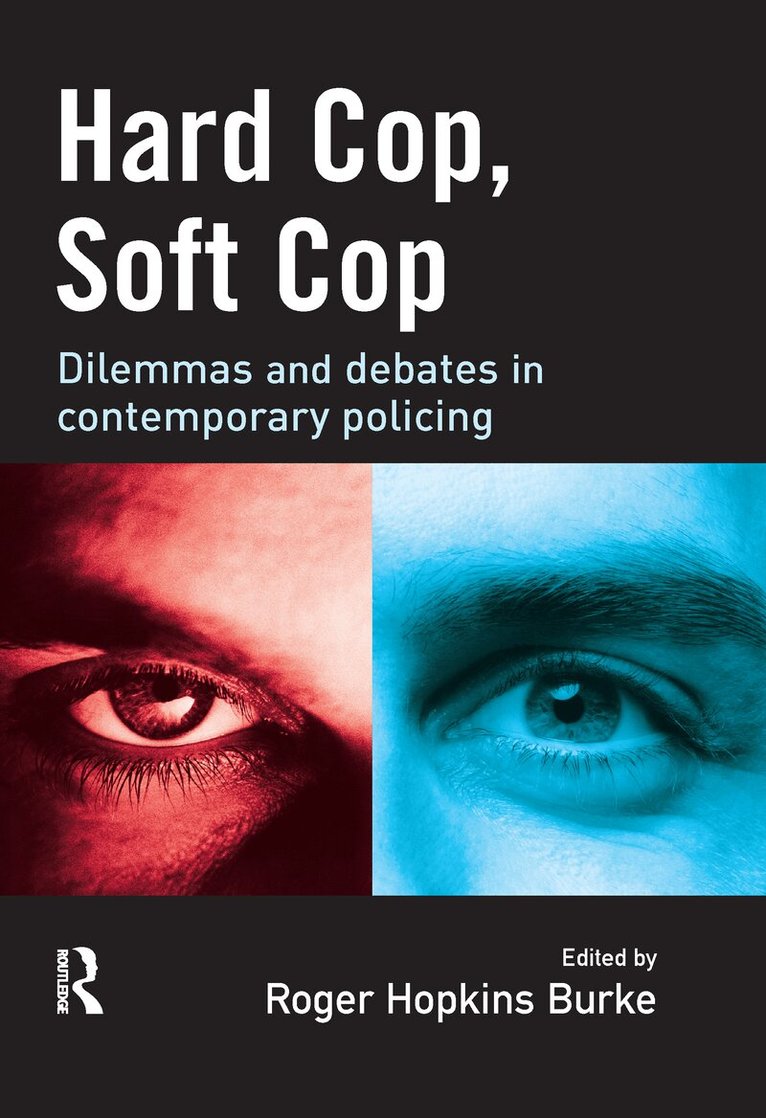
This is a book about policing styles in the broadest sense, looking at zero tolerance policing at one extreme and 'softer' approaches to policing at the other. It is particularly concerned to explore the dilemmas and moral ambiguities inherent in the tensions between different policing approaches. Rather than seeking to juxtapose 'hard' and 'soft' policing styles the guiding thread of the book is the notion that policing is both pervasive and insidious. Different policing styles, whether conducted by the public police service, private security or social work agencies, are all part of a multi-agency corporate crime control industry which provides the essential context for an understanding of these different approaches.
1 497 kr
Skickas inom 10-15 vardagar
This is a book about policing styles in the broadest sense, looking at zero tolerance policing at one extreme and 'softer' approaches to policing at the other. It is particularly concerned to explore the dilemmas and moral ambiguities inherent in the tensions between different policing approaches. Rather than seeking to juxtapose 'hard' and 'soft' policing styles the guiding thread of the book is the notion that policing is both pervasive and insidious. Different policing styles, whether conducted by the public police service, private security or social work agencies, are all part of a multi-agency corporate crime control industry which provides the essential context for an understanding of these different approaches.
429 kr
Skickas inom 10-15 vardagar
Zero Tolerance Policing is essential reading for anyone with an interest in the police, crime prevention, community safety and order maintenance. With chapters from eminent practitioners and academics, and based on a combination of practical experience and extensive research, each chapter examines a key issue involved in zero tolerance policing.