Roger Whitson – författare
Visar alla böcker från författaren Roger Whitson. Handla med fri frakt och snabb leverans.
8 produkter
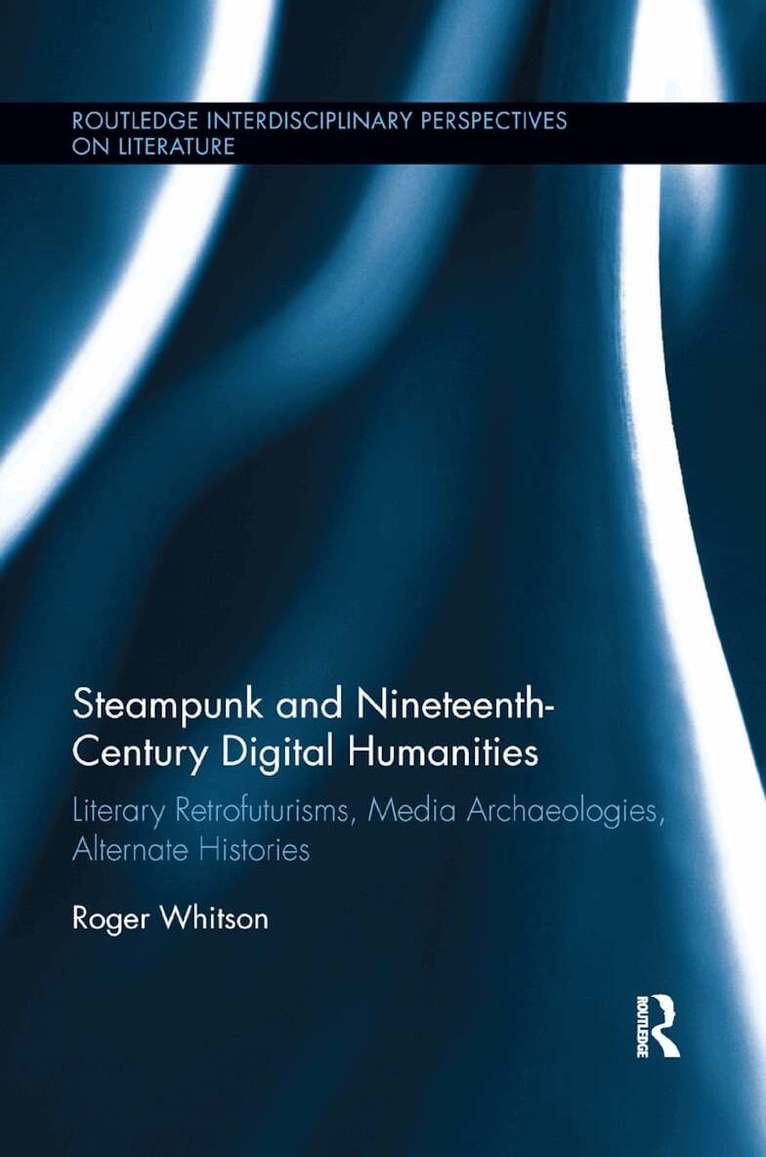
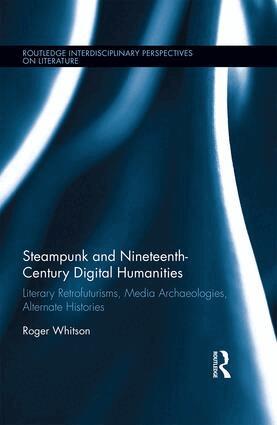
Steampunk and Nineteenth-Century Digital Humanities
Literary Retrofuturisms, Media Archaeologies, Alternate Histories
Häftad, 2019
845 kr
Lägg i varukorg
Steampunk is more than a fandom, a literary genre, or an aesthetic. It is a research methodology turning history inside out to search for alternatives to the progressive technological boosterism sold to us by Silicon Valley. This book turns to steampunk's quirky temporalities to embrace diverse …
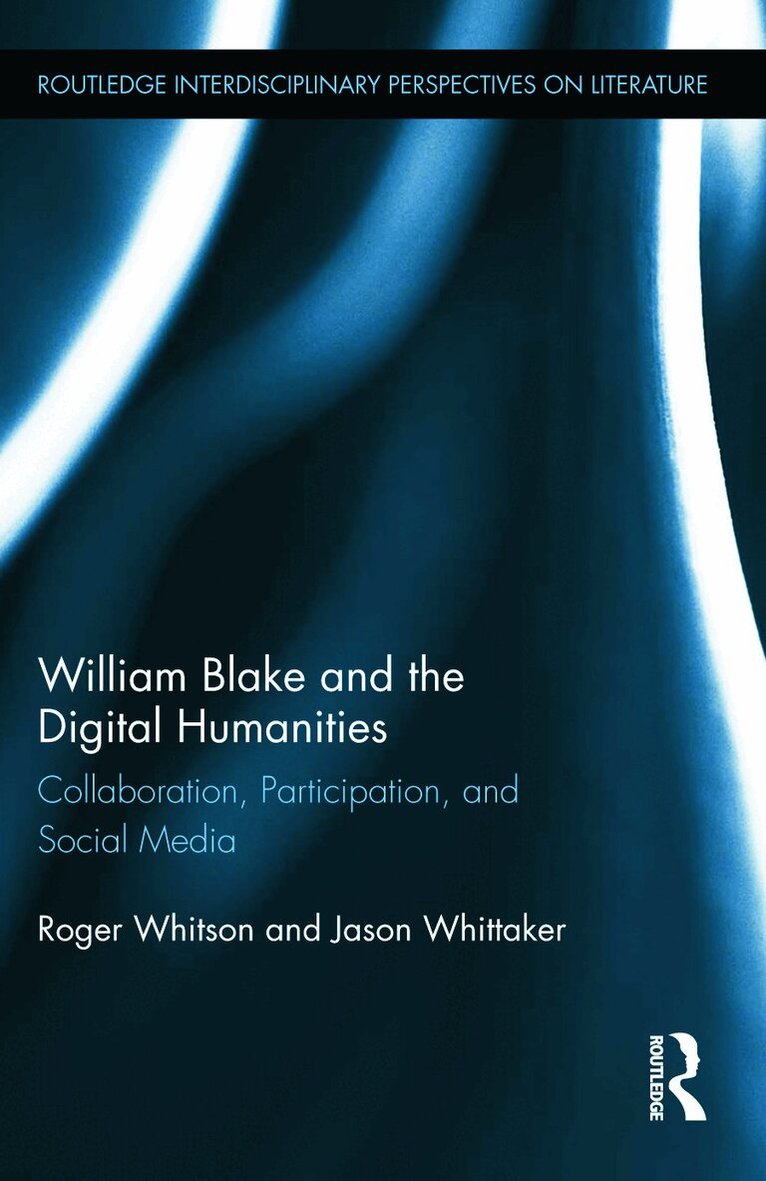
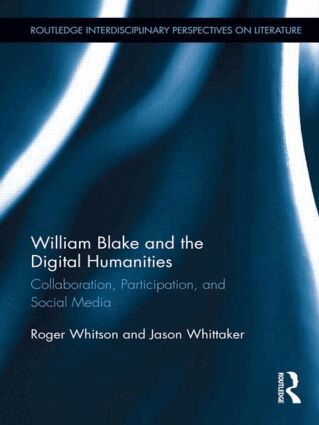
William Blake and the Digital Humanities
Collaboration, Participation, and Social Media
Av Roger Whitson, Jason Whittaker
Inbunden, 2012
2888 kr
Lägg i varukorg
William Blake’s work demonstrates two tendencies that are central to social media: collaboration and participation. Not only does Blake cite and adapt the work of earlier authors and visual artists, but contemporary authors, musicians, and filmmakers feel compelled to use Blake in their own …
William Blake and the Digital Humanities
Collaboration, Participation, and Social Media
Av Jason Whittaker, Roger Whitson
E-bok, 2013
996 kr
Lägg i varukorg
William Blake’s work demonstrates two tendencies that are central to social media: collaboration and participation. Not only does Blake cite and adapt the work of earlier authors and visual artists, but contemporary authors, musicians, and filmmakers feel compelled to use Blake in their own …
William Blake and the Digital Humanities
Collaboration, Participation, and Social Media
Av Jason Whittaker, Roger Whitson
E-bok, 2013
996 kr
Lägg i varukorg
William Blake’s work demonstrates two tendencies that are central to social media: collaboration and participation. Not only does Blake cite and adapt the work of earlier authors and visual artists, but contemporary authors, musicians, and filmmakers feel compelled to use Blake in their own …
William Blake and the Digital Humanities
Collaboration, Participation, and Social Media
Av Roger Whitson, Jason Whittaker
Häftad, 2015
845 kr
Lägg i varukorg
William Blake’s work demonstrates two tendencies that are central to social media: collaboration and participation. Not only does Blake cite and adapt the work of earlier authors and visual artists, but contemporary authors, musicians, and filmmakers feel compelled to use Blake in their own …
Steampunk and Nineteenth-Century Digital Humanities
Literary Retrofuturisms, Media Archaeologies, Alternate Histories
Inbunden, 2016
2888 kr
Lägg i varukorg
Steampunk is more than a fandom, a literary genre, or an aesthetic. It is a research methodology turning history inside out to search for alternatives to the progressive technological boosterism sold to us by Silicon Valley. This book turns to steampunk's quirky temporalities to embrace diverse …
Steampunk and Nineteenth-Century Digital Humanities
Literary Retrofuturisms, Media Archaeologies, Alternate Histories
E-bok, 2016
996 kr
Lägg i varukorg
Steampunk is more than a fandom, a literary genre, or an aesthetic. It is a research methodology turning history inside out to search for alternatives to the progressive technological boosterism sold to us by Silicon Valley. This book turns to steampunk''s quirky temporalities to embrace diverse …
Steampunk and Nineteenth-Century Digital Humanities
Literary Retrofuturisms, Media Archaeologies, Alternate Histories
E-bok, 2016
974 kr
Lägg i varukorg
Steampunk is more than a fandom, a literary genre, or an aesthetic. It is a research methodology turning history inside out to search for alternatives to the progressive technological boosterism sold to us by Silicon Valley. This book turns to steampunk''s quirky temporalities to embrace diverse …