Roland Cvetkovski - Böcker
Visar alla böcker från författaren Roland Cvetkovski. Handla med fri frakt och snabb leverans.
2 produkter
2 produkter
461 kr
Skickas inom 10-15 vardagar
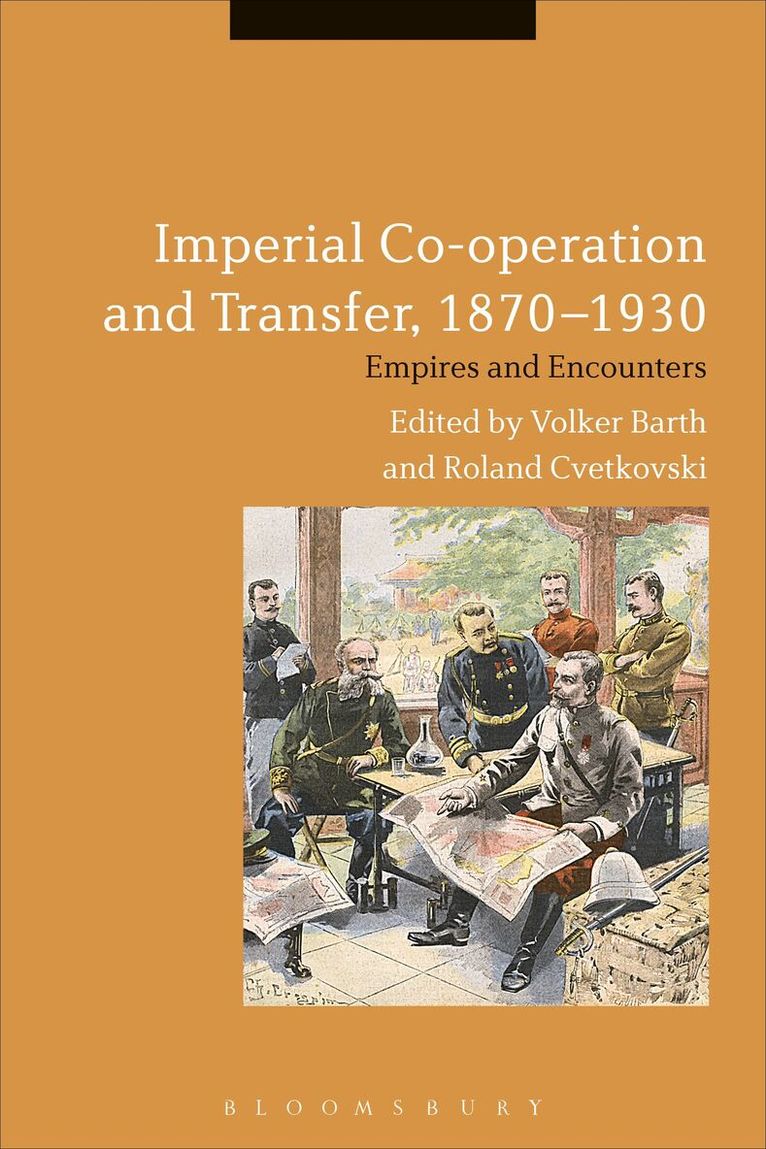
Conflict and competition between imperial powers has long been a feature of global history, but their co-operation has largely been a peripheral concern. Imperial Co-operation and Transfer, 1870-1930 redresses this imbalance, providing a coherent conceptual framework for the study of inter-imperial collaboration and arguing that it deserves an equally prominent position in the field.Using a variety of examples from across Asia, Europe and Africa, this book demonstrates the ways in which empires have shared and exchanged their knowledge about imperial governance, including military strategy, religious influence and political surveillance. It asks how, when and where these partnerships took place, and who initiated them.Not only does this book fill an empirical gap in the study of imperial history, it traces ideas of empire from their conception in imperial contact zones to their implementation in specific contexts. As such, this is an important study for imperial and global historians of all specialisms.
Empire of Others
Creating Ethnographic Knowledge in Imperial Russia and the USSR
Inbunden, Engelska, 2014
1 914 kr
Skickas inom 10-15 vardagar
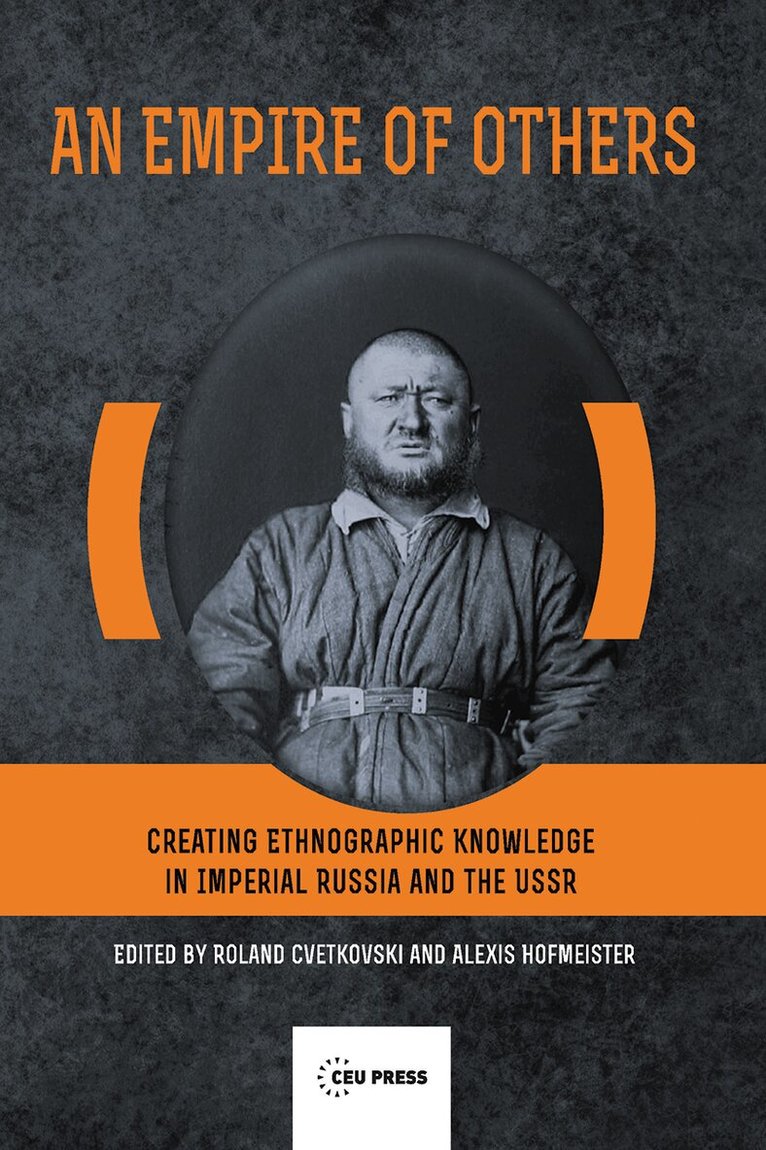
Ethnographers helped to perceive, to understand and also to shape imperial as well as Soviet Russia's cultural diversity. This volume focuses on the contexts in which ethnographic knowledge was created. Usually, ethnographic findings were superseded by imperial discourse: Defining regions, connecting them with ethnic origins and conceiving national entities necessarily implied the mapping of political and historical hierarchies. But beyond these spatial conceptualizations the essays particularly address the specific conditions in which ethnographic knowledge appeared and changed. On the one hand, they turn to the several fields into which ethnographic knowledge poured and materialized, i.e., history, historiography, anthropology or ideology. On the other, they equally consider the impact of the specific formats, i.e., pictures, maps, atlases, lectures, songs, museums, and exhibitions, on academic as well as non-academic manifestations.