Roland Kallenborn - Böcker
Visar alla böcker från författaren Roland Kallenborn. Handla med fri frakt och snabb leverans.
7 produkter
7 produkter
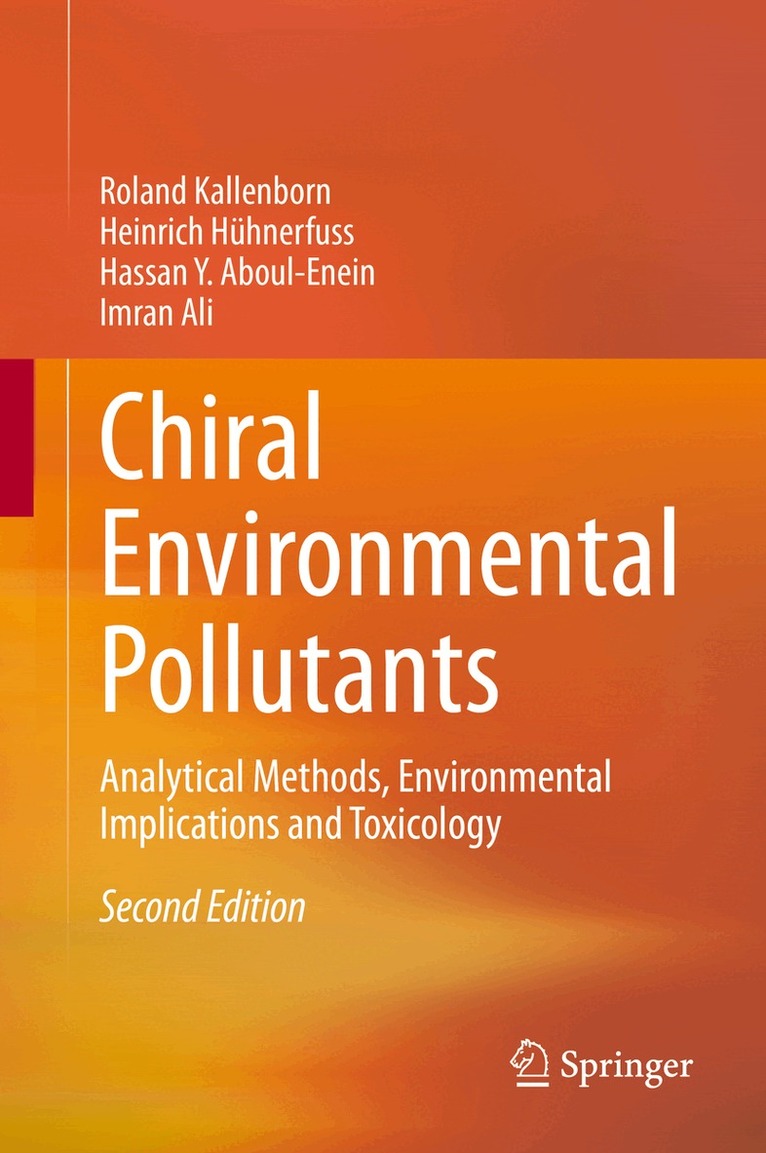
Chiral Environmental Pollutants
Analytical Methods, Environmental Implications and Toxicology
Inbunden, Engelska, 2021
1 381 kr
Skickas inom 10-15 vardagar
Now in its updated second edition, this book describes emerging chiral environmental pollutants and their importance in environmental and human toxicology, as well as enantiomer selective separation and analytical methods.
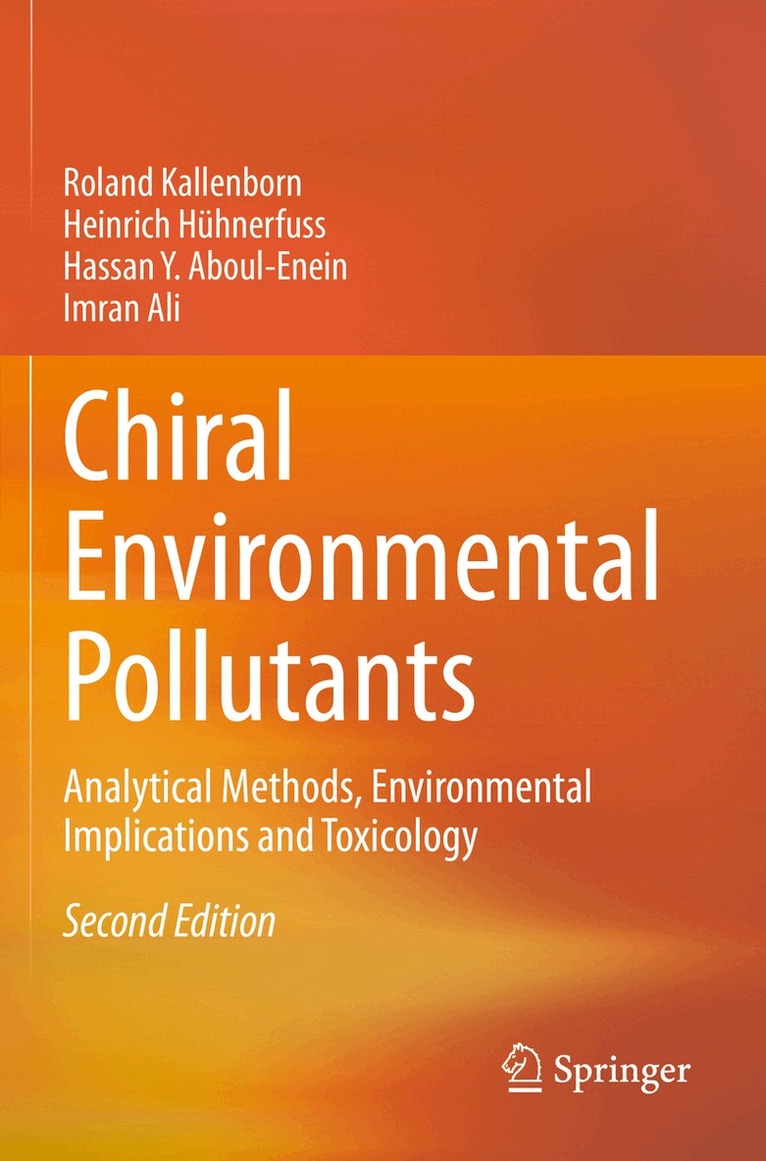
Chiral Environmental Pollutants
Analytical Methods, Environmental Implications and Toxicology
Häftad, Engelska, 2022
1 276 kr
Skickas inom 10-15 vardagar
Now in its updated second edition, this book describes emerging chiral environmental pollutants and their importance in environmental and human toxicology, as well as enantiomer selective separation and analytical methods.
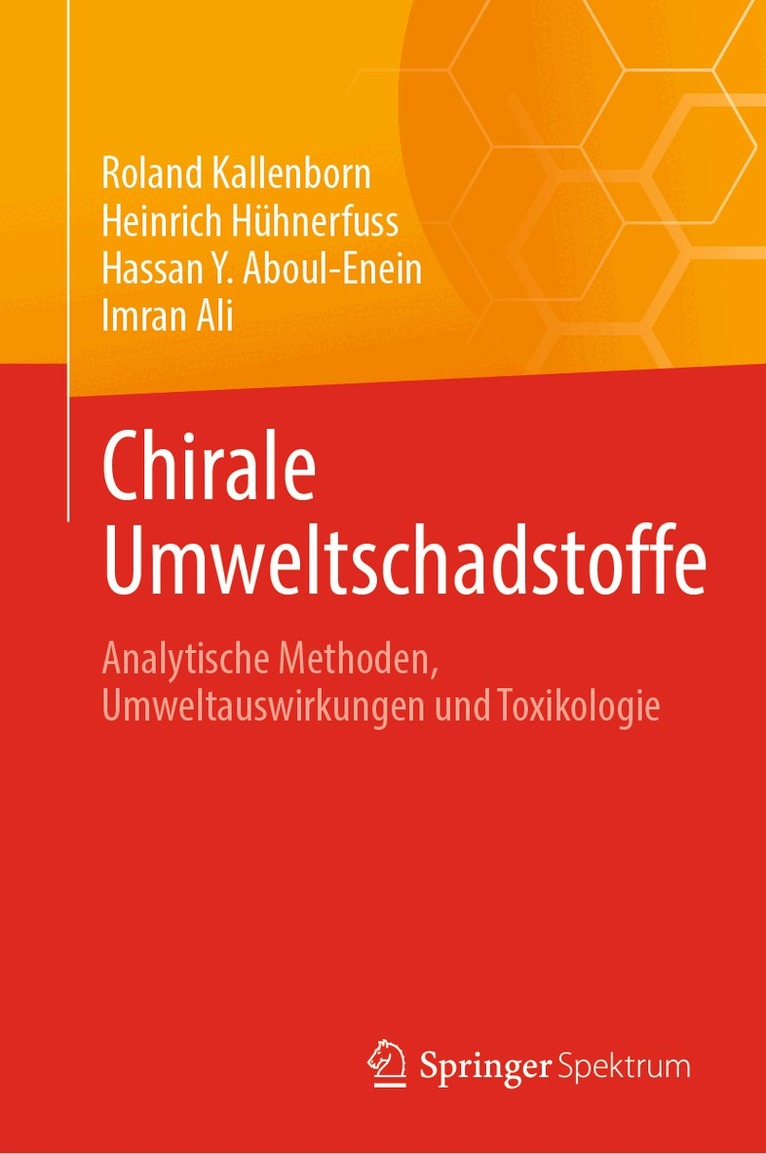
Chirale Umweltschadstoffe
Analytische Methoden, Umweltauswirkungen und Toxikologie
Inbunden, Tyska, 2026
2 186 kr
Kommande
In seiner aktualisierten zweiten Auflage beschreibt dieses Buch die Bedeutung von neuen chiralen Umweltschadstoffen für die Umwelt, Mensch und Tier. Vor allem enantiomer selektiver Trenn- und Analyseverfahren für zahlreiche chirale Umweltschadstoffe werden kritisch beschrieben. Im Vergleich zur ersten Auflage von 2001 wurde die Neuauflage vollständig umstrukturiert, und eine Fülle neuer Materialien hinzugefügt, um der fachlichen Weiterentwicklungen der letzten 20 Jahre Rechnung zu tragen. Das Buch berichtet über moderne enantiomer selektive Trennverfahren, einschließlich enantiomer selektiver Chromatographietechniken, die sogar erfolgreich im Weltraum während der ESA-Rosetta-Mission getestet wurden.Die Autoren stellen dar, warum das Thema chirale Umweltschadstoffe in den letzten Jahrzehnten noch wichtiger geworden ist. In den letzten Jahren wurden viele neue chirale bioaktive Verbindungen für Anwendungen in Medizin, Landwirtschaft und Technische Verbraucherprodukte entwickelt. Umweltanalysen zeigen, dass Spuren dieser Verbindungen inzwischen auch in der Umwelt zu finden sind. Die Autoren erläutern ausführlich, dass das Prinzip Chiralität heutzutage ein sehr wichtiger Faktor für die Bewertung der Bioaktivität anthropogener Schadstoffe sein kann.In diesem Buch finden Leser eine detaillierte Einführung in das Thema. Diese Einführung beinhaltet auch alle wichtigen Aspekte, ausgehend von der Einführung neuer enantiomer selektiver analytischer Methoden neu entdeckter chiraler Umweltschadstoffe bis hin zu Aspekten der Umwelt- und Humantoxikologie. Unter anderem werden sowohl Methoden zur enantiomer selektiver Risikobewertung ausgewählte chirale Stoffe aber auch bedeutende Aspekte des Klimawandels näher beleuchtet.Das Buch ist daher ein Muss für alle, die im Bereich chiraler Umweltschadstoffe arbeiten. Außerdem kann es ist auch für Lehrzwecke in spezialisierten Bachelor- und Mastergradskursen sowie für fortgeschrittene analytische Chemie, pharmazeutische Analytik oder Umweltchemie von Nutzen sein.
1 578 kr
Skickas inom 10-15 vardagar
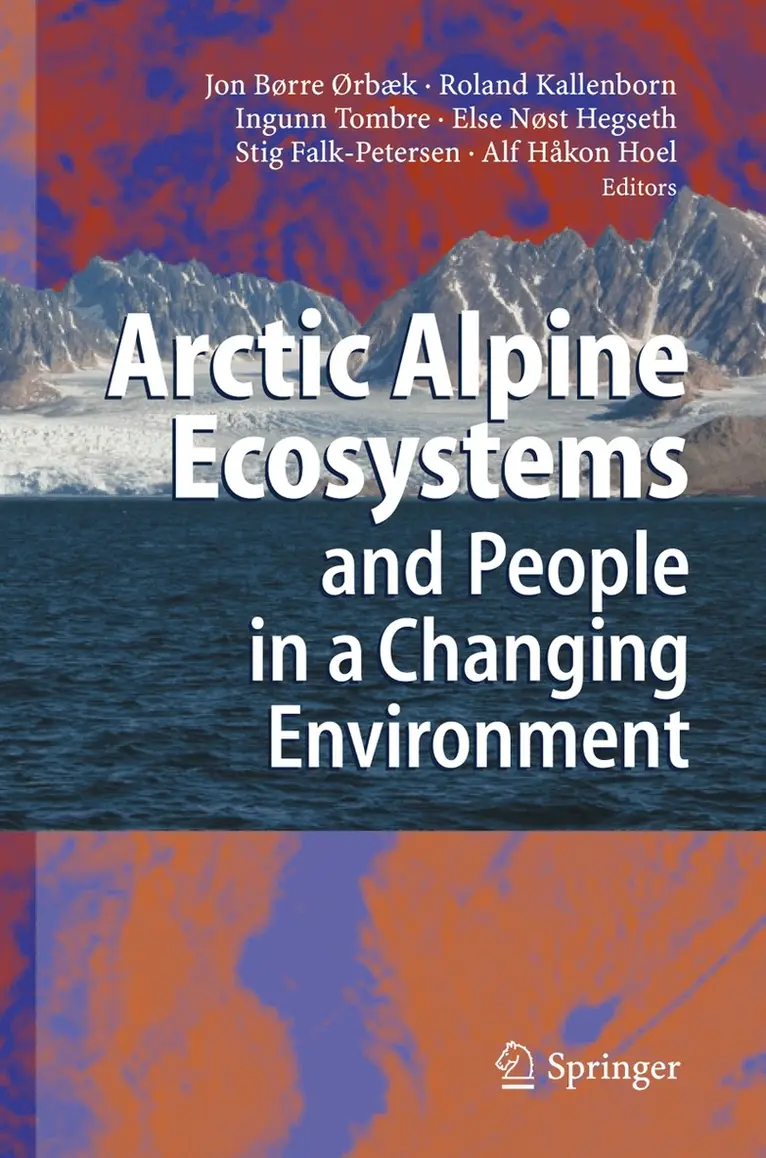
This book addresses the significant environmental changes experienced by high latitude and high altitude ecosystems at the beginning of the 21st c- tury. Increased temperatures and precipitation, reduction in sea ice and glacier ice, the increased levels of UV-radiation and the long-range tra- ported contaminants in arctic and alpine regions are stress factors that challenge terrestrial and aquatic ecosystems. The large natural variation in the physical parameters of these extreme environments is a key factor in structuring the biodiversity and biotic productivity, and the effect of the new stress factors can be critical for the population structures and the - teraction between species. These changes may also have socio-economic effects if the changes affect the bio-production, which form the basis for the marine and terrestrial food chains. The book is uniquely multidisciplinary and provides examples of va- ous aspects of contemporary environmental change in arctic and alpine - gions. The 21 chapters of the book are organised under the fields of •Climate change and ecosystem response, •Long range transport of poll- ants and ecological impacts, and •UV radiation and biological effects, each also including aspects of the •Socio-economic effects of environmental change. The introductory chapter presents and explains the internal c- nection and integration of all chapters. The added value of these reviews and review-like manuscripts from different disciplines hopefully yields new information about the integrated aspects of environmental change.
1 578 kr
Skickas inom 10-15 vardagar
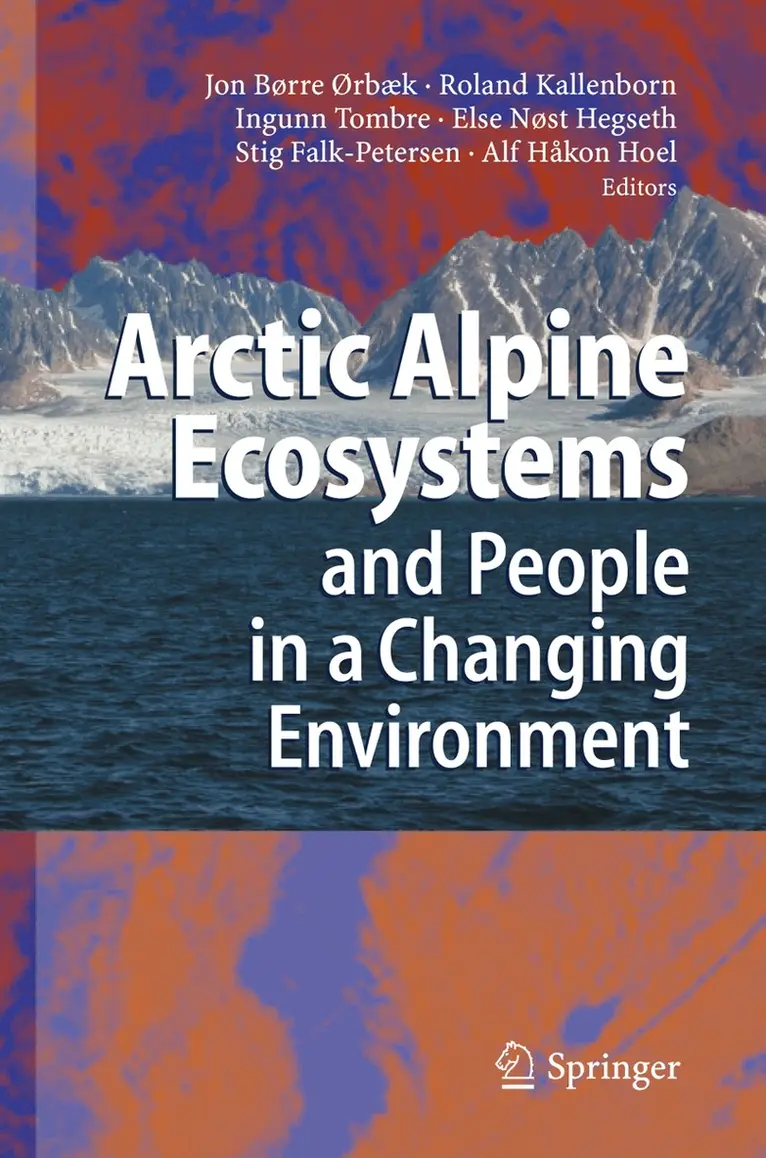
This book addresses the significant environmental changes experienced by high latitude and high altitude ecosystems at the beginning of the 21st c- tury. Increased temperatures and precipitation, reduction in sea ice and glacier ice, the increased levels of UV-radiation and the long-range tra- ported contaminants in arctic and alpine regions are stress factors that challenge terrestrial and aquatic ecosystems. The large natural variation in the physical parameters of these extreme environments is a key factor in structuring the biodiversity and biotic productivity, and the effect of the new stress factors can be critical for the population structures and the - teraction between species. These changes may also have socio-economic effects if the changes affect the bio-production, which form the basis for the marine and terrestrial food chains. The book is uniquely multidisciplinary and provides examples of va- ous aspects of contemporary environmental change in arctic and alpine - gions. The 21 chapters of the book are organised under the fields of •Climate change and ecosystem response, •Long range transport of poll- ants and ecological impacts, and •UV radiation and biological effects, each also including aspects of the •Socio-economic effects of environmental change. The introductory chapter presents and explains the internal c- nection and integration of all chapters. The added value of these reviews and review-like manuscripts from different disciplines hopefully yields new information about the integrated aspects of environmental change.
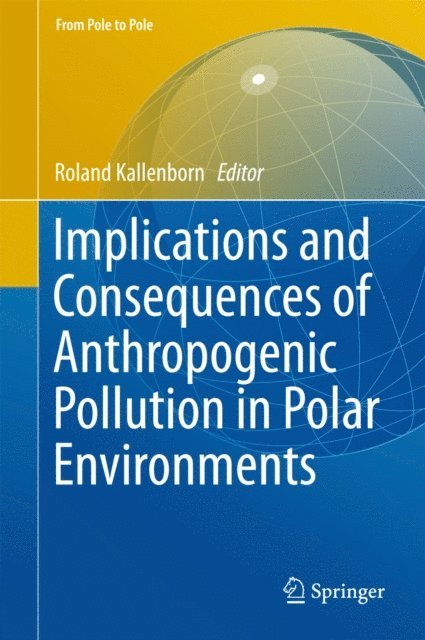
Implications and Consequences of Anthropogenic Pollution in Polar Environments
Inbunden, Engelska, 2016
1 064 kr
Skickas inom 10-15 vardagar
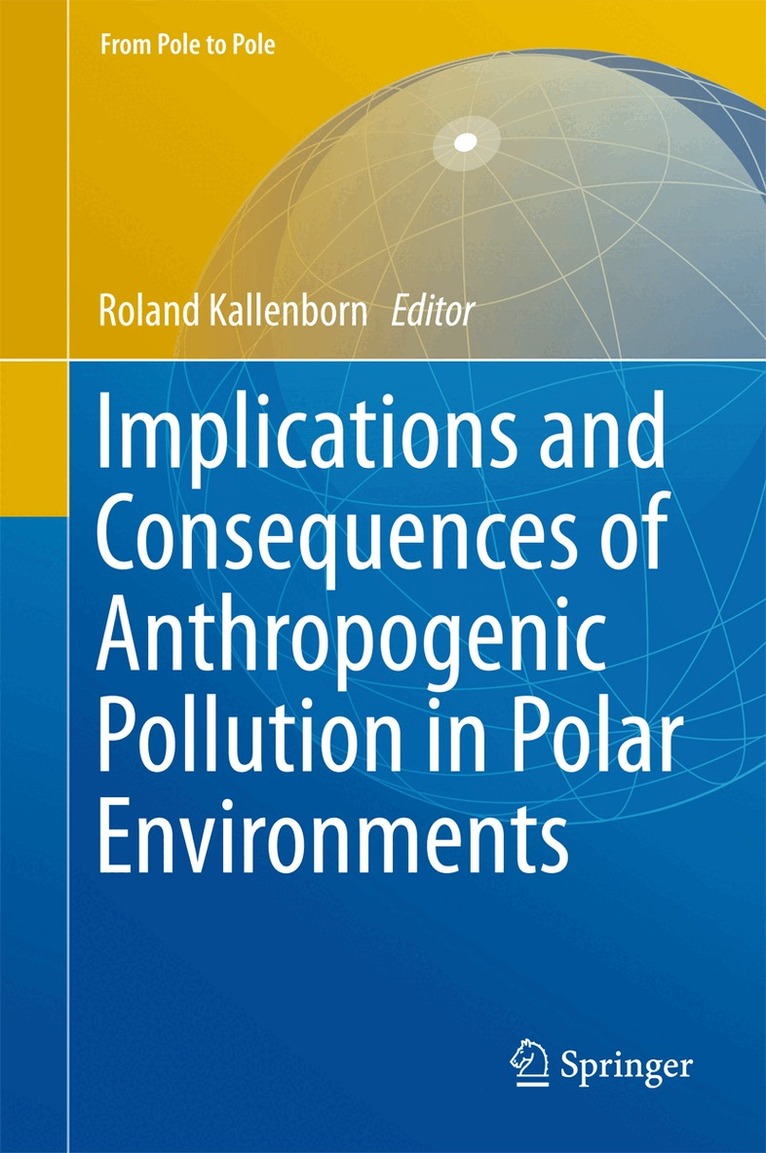
The first evidence on the adverse effects of organic pollutants on Arctic ecosystems was provided by international research initiatives more than 30 years ago. Today, the indigenous people of the North are considered to be affected by exposure to persistent organic pollutants (POPs) and metals through their traditional marine food sources. The occurrence of pollutants of emerging concern in remote Polar environments is considered an essential criterion for prioritising this (largely neglected) type of contamination in national, international and global regulation schemes. Initiated during the first international Polar Years (IPY 2007-2009) and continued afterwards, 11 representative initiatives and projects are summarised as chapters in this book, which highlights today’s interdisciplinary research on POPs in the Polar environment. The individual chapters describe in detail the consequences, priorities and perspectives of international research on POPs (legacy and emerging xenobiotics), its implications for regulations and scientific priorities including societal and cultural developments in the Arctic, as well as conservation priorities in Antarctica. This book is intended for all readers interested in learning more about modern research on environmental pollutants in the Polar environments (with a strong focus on Arctic environments). The impacts of pollution and climate change on Polar regions and the world as a whole will continue to be felt for many years to come. Sound science is, thus, vital in order to underpin actions that need to be taken at the global, regional and local levels. This book contributes to this highly relevant, interdisciplinary environmental scientific endeavour.
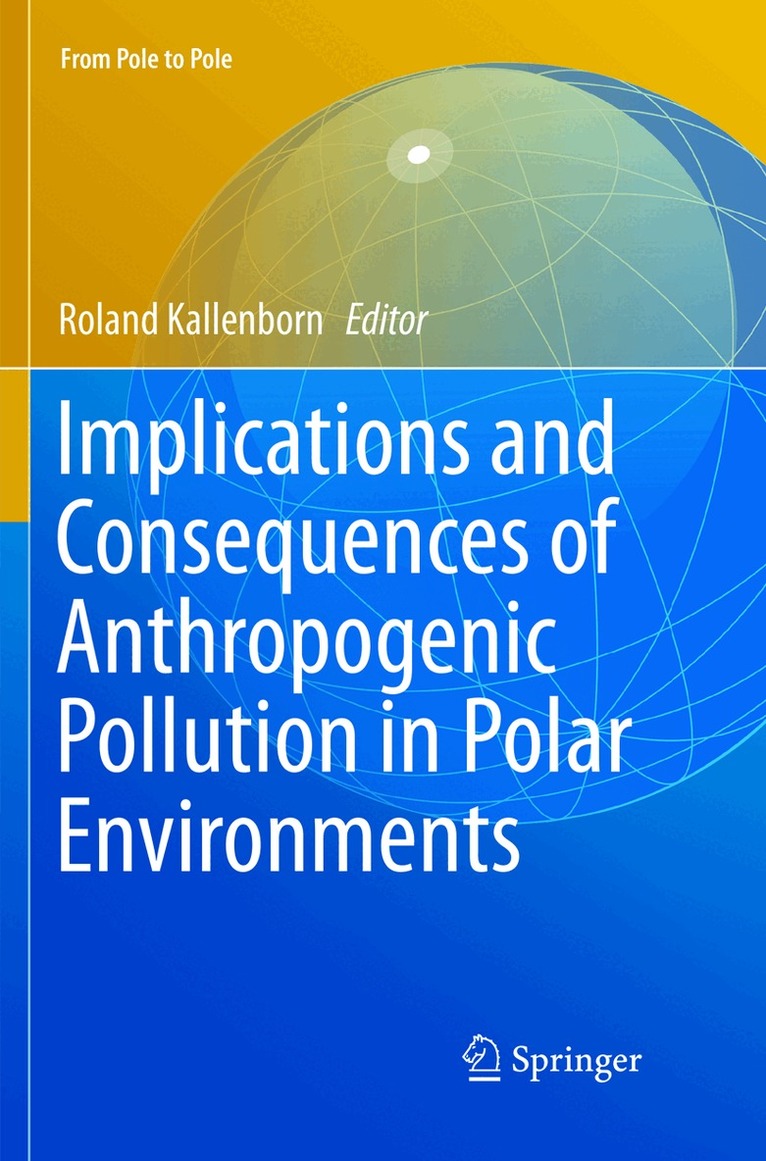
Implications and Consequences of Anthropogenic Pollution in Polar Environments
Häftad, Engelska, 2018
1 064 kr
Skickas inom 10-15 vardagar
The first evidence on the adverse effects of organic pollutants on Arctic ecosystems was provided by international research initiatives more than 30 years ago. Today, the indigenous people of the North are considered to be affected by exposure to persistent organic pollutants (POPs) and metals through their traditional marine food sources. The occurrence of pollutants of emerging concern in remote Polar environments is considered an essential criterion for prioritising this (largely neglected) type of contamination in national, international and global regulation schemes. Initiated during the first international Polar Years (IPY 2007-2009) and continued afterwards, 11 representative initiatives and projects are summarised as chapters in this book, which highlights today’s interdisciplinary research on POPs in the Polar environment. The individual chapters describe in detail the consequences, priorities and perspectives of international research on POPs (legacy and emerging xenobiotics), its implications for regulations and scientific priorities including societal and cultural developments in the Arctic, as well as conservation priorities in Antarctica. This book is intended for all readers interested in learning more about modern research on environmental pollutants in the Polar environments (with a strong focus on Arctic environments). The impacts of pollution and climate change on Polar regions and the world as a whole will continue to be felt for many years to come. Sound science is, thus, vital in order to underpin actions that need to be taken at the global, regional and local levels. This book contributes to this highly relevant, interdisciplinary environmental scientific endeavour.