Roman Bäcker - Böcker
Visar alla böcker från författaren Roman Bäcker. Handla med fri frakt och snabb leverans.
3 produkter
3 produkter
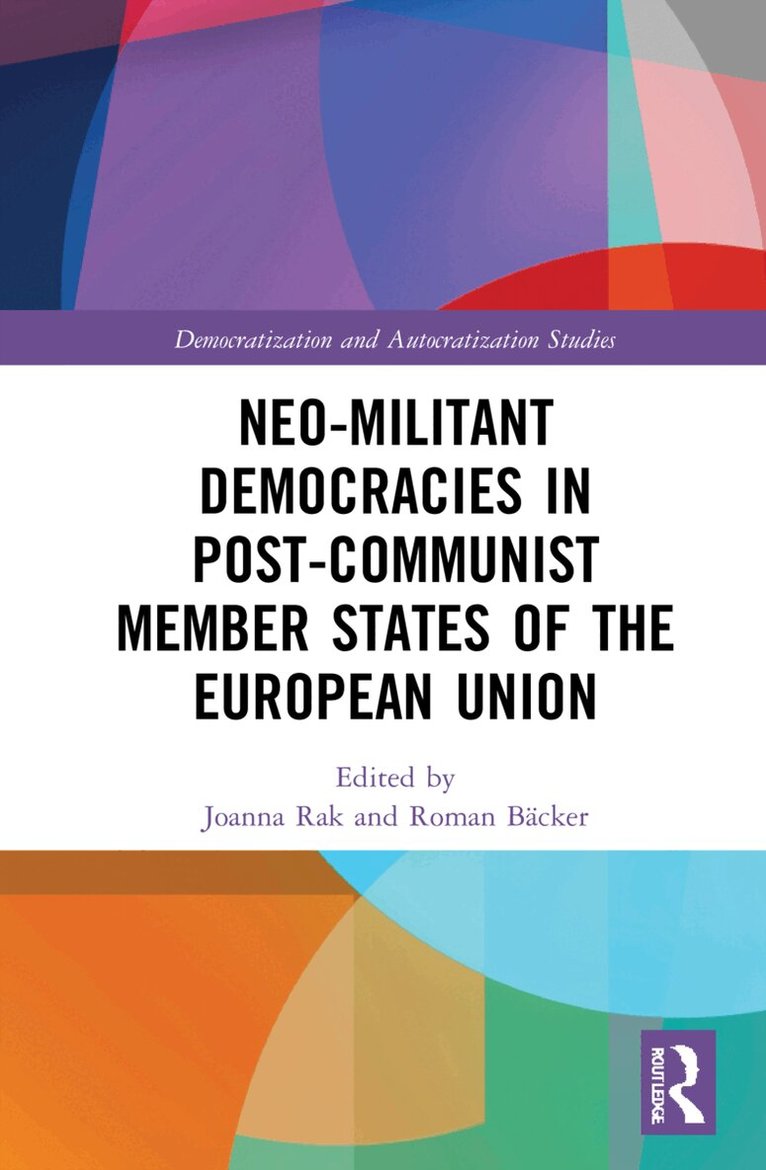
Neo-militant Democracies in Post-communist Member States of the European Union
Inbunden, Engelska, 2022
2 104 kr
Skickas inom 10-15 vardagar
This book examines contemporary militant democracies in post-communist states in the European Union.Examining, through case studies, their broader relevance to political, legal, and social structures, this book looks in revealing detail at the struggles between these democratic and anti-democratic actors that share similar historical experiences of contentious politics, communism, and political transformation. It importantly unravels the tension between them, determining which are already authoritarian, and which are teetering on the brink of an anti-democratic breakthrough. Analysing regimes’ continuance trajectories to capture how and what shaped the neo-militant aspects of democracies (neomilitancy) over time, the book accounts for why particular post-communist European neo-militant democracies emerge while others decline or transform into quasi-militant democracies despite transformation, how they differ from each other, what brings about the differences and similarities between them, and how and why they change over time. With right-wing populist parties coming to power on the back of fears associated with economic, social, and cultural globalisation and the misuse of state authorities to strengthen protective measures against threats to democratic institutions, the book represents a timely and important contribution. This book will be of key interest to scholars and students of Post-Soviet/Communist/East European Studies, Democratic Backsliding, European and Comparative Politics, Nationalism and Ethnic Conflict, Democracy and Dictatorship, Public Comparative Constitutional Law, Human Rights Law and Political Theory.
Neo-militant Democracies in Post-communist Member States of the European Union
Häftad, Engelska, 2024
616 kr
Skickas inom 10-15 vardagar
This book examines contemporary militant democracies in post-communist states in the European Union.Examining, through case studies, their broader relevance to political, legal, and social structures, this book looks in revealing detail at the struggles between these democratic and anti-democratic actors that share similar historical experiences of contentious politics, communism, and political transformation. It importantly unravels the tension between them, determining which are already authoritarian, and which are teetering on the brink of an anti-democratic breakthrough. Analysing regimes’ continuance trajectories to capture how and what shaped the neo-militant aspects of democracies (neomilitancy) over time, the book accounts for why particular post-communist European neo-militant democracies emerge while others decline or transform into quasi-militant democracies despite transformation, how they differ from each other, what brings about the differences and similarities between them, and how and why they change over time. With right-wing populist parties coming to power on the back of fears associated with economic, social, and cultural globalisation and the misuse of state authorities to strengthen protective measures against threats to democratic institutions, the book represents a timely and important contribution. This book will be of key interest to scholars and students of Post-Soviet/Communist/East European Studies, Democratic Backsliding, European and Comparative Politics, Nationalism and Ethnic Conflict, Democracy and Dictatorship, Public Comparative Constitutional Law, Human Rights Law and Political Theory.
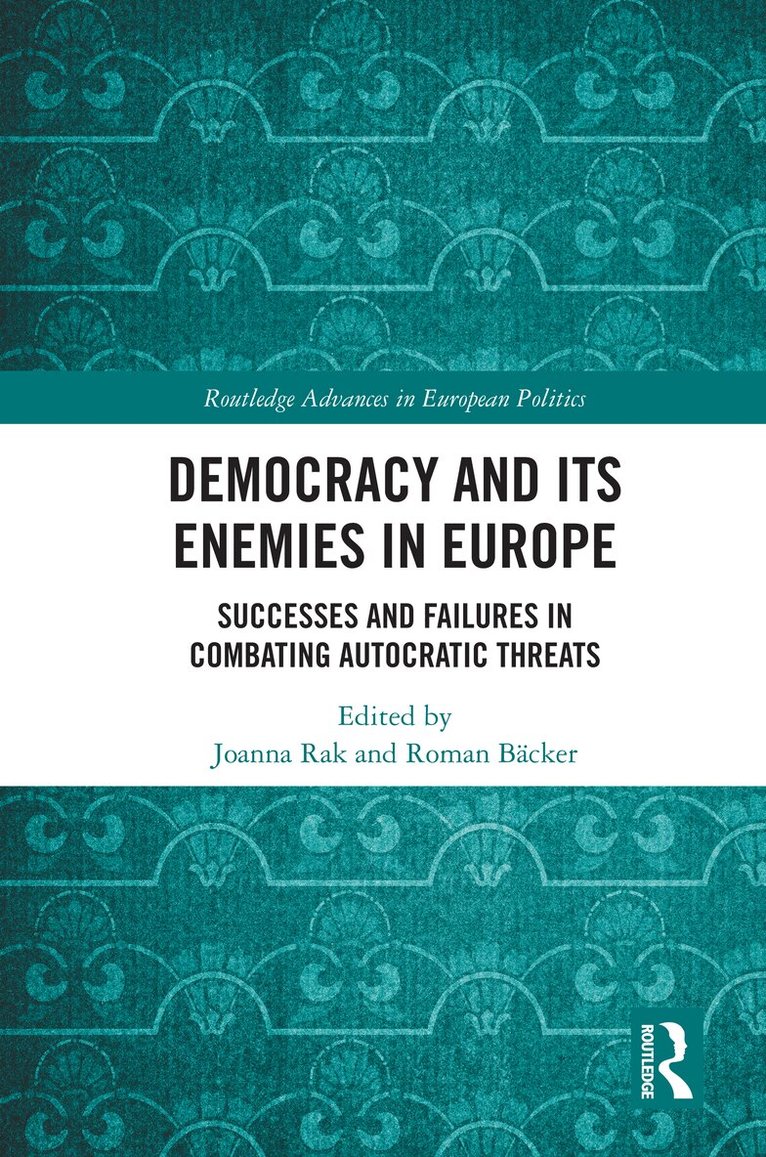
Democracy and Its Enemies in Europe
Successes and Failures in Combating Autocratic Threats
Inbunden, Engelska, 2025
2 167 kr
Skickas inom 10-15 vardagar
This book analyses the evolving nature of democratic threats and identifies strategies necessary to safeguard democratic governance in an increasingly turbulent political environment.It explores how democratic systems in Europe have faced, and continue to face, threats from various entities that exhibit essential characteristics of being enemies of democracy, including fascism, Nazism, authoritarianism, and modern forms of populism and external interference. Through detailed case studies, the book examines the tactics used by enemies of democracy to undermine the sovereignty of political nations, from the rise of totalitarian regimes in the twentieth century to contemporary challenges like Russia’s democratic decline and hybrid warfare tactics in Poland and Estonia. It also highlights how certain democracies have successfully resisted these threats, offering valuable lessons for protecting democratic values and institutions in today’s world. Going beyond historical analysis, the book provides a comprehensive theoretical framework for understanding and categorising the enemies of democracy, transforming the concept from a normative idea into a powerful analytical tool.This book will be of key interest to scholars and students of European history and politics, political theory, democracy, political systems, political philosophy, and comparative politics.