Ron Theodore Robin – författare
Visar alla böcker från författaren Ron Theodore Robin. Handla med fri frakt och snabb leverans.
6 produkter
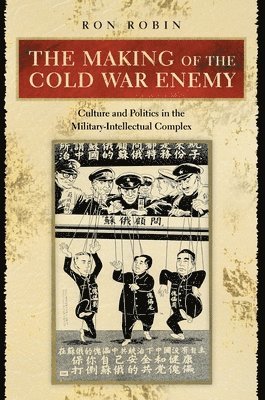
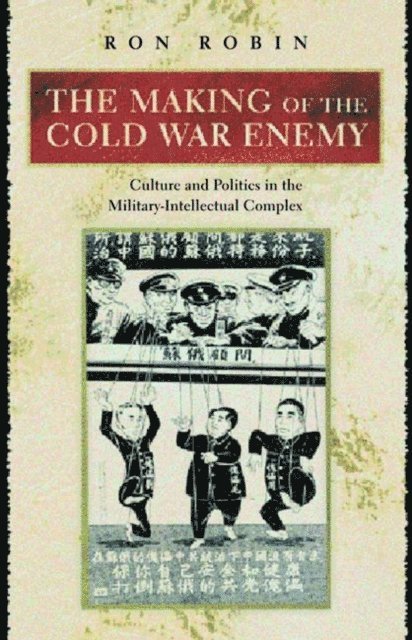
Making of the Cold War Enemy
Culture and Politics in the Military-Intellectual Complex
Häftad, 2003
908 kr
Lägg i varukorg
At the height of the Cold War, the U.S. government enlisted the aid of a select group of psychologists, sociologists, and political scientists to blueprint enemy behavior. Not only did these academics bring sophisticated concepts to what became a project of demonizing communist societies, but they …
Enclaves of America
The Rhetoric of American Political Architecture Abroad, 1900-1965
Häftad, 2014
743 kr
Lägg i varukorg
Whether determining the style of its embassies or the design of overseas cemeteries for Americans killed in battle, the U.S. government in its rise to global leadership greatly valued architectural symbols as a way of conveying its power abroad. In order to explain the political significance of …
Enclaves of America
The Rhetoric of American Political Architecture Abroad, 1900-1965
Inbunden, 2016
1508 kr
Lägg i varukorg
Whether determining the style of its embassies or the design of overseas cemeteries for Americans killed in battle, the U.S. government in its rise to global leadership greatly valued architectural symbols as a way of conveying its power abroad. In order to explain the political significance of …
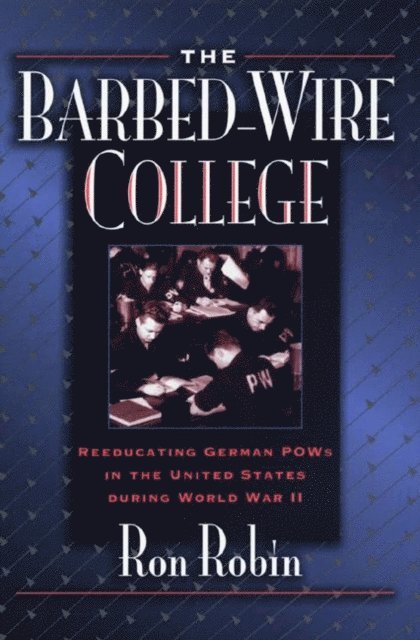
Barbed-Wire College
Reeducating German POWs in the United States During World War II
E-bok, 1995
661 kr
Lägg i varukorg
From Stalag 17 to The Manchurian Candidate , the American media have long been fascinated with stories of American prisoners of war. But few Americans are aware that enemy prisoners of war were incarcerated on our own soil during World War II. In The Barbed-Wire College Ron Robin tells the …
Making of the Cold War Enemy
Culture and Politics in the Military-Intellectual Complex
E-bok, 2009
661 kr
Lägg i varukorg
At the height of the Cold War, the U.S. government enlisted the aid of a select group of psychologists, sociologists, and political scientists to blueprint enemy behavior. Not only did these academics bring sophisticated concepts to what became a project of demonizing communist societies, but they …
Enclaves of America
The Rhetoric of American Political Architecture Abroad, 1900-1965
E-bok, 2014
498 kr
Lägg i varukorg
Whether determining the style of its embassies or the design of overseas cemeteries for Americans killed in battle, the U.S. government in its rise to global leadership greatly valued architectural symbols as a way of conveying its power abroad. In order to explain the political significance of …