Ronald Rees - Böcker
Visar alla böcker från författaren Ronald Rees. Handla med fri frakt och snabb leverans.
3 produkter
3 produkter
254 kr
Tillfälligt slut
King Copper is the first full treatment of the impact of the copper industry upon society and environment in south Wales. For the whole of the eighteenth century and much of the nineteenth a belt of coastal smelters using local coals and ores from Cornwall, Cuba and Chile produced virtually all of Britain's copper and much of the worlds. It was a remarkable industrial concentration that brought wealth to Swansea, the centre of the industry, and to neighbouring towns. But there was a price for prosperity. Copper ores are notoriously impure and the many roastings and meltings required to drive out the impurities and separate the metal from the ore produced mountains of slag and furnace ash and billowing clouds of toxic, foul-smelling smoke. Laced with sulphur and arsenic, the smoke killed all but the hardiest plants, ruining crops and killing and disabling grazing animals. This continual chafing of a farmed and settled countryside set farmers against townsmen, the Welsh-speaking Cymry Cymraeg against their Anglo-Welsh cousins in the towns. The conflict culminated in a series of dramatic 'smoke' trials in which farmers and landowners sued the copper companies for damage to crops, grazing and stock. Seldom has the rural-urban dichotomy been so exposed. The smoke disputes centred on damage to property but they also raised questions about public health and the loss of attractive and loved landscapes.
330 kr
Skickas inom 11-20 vardagar
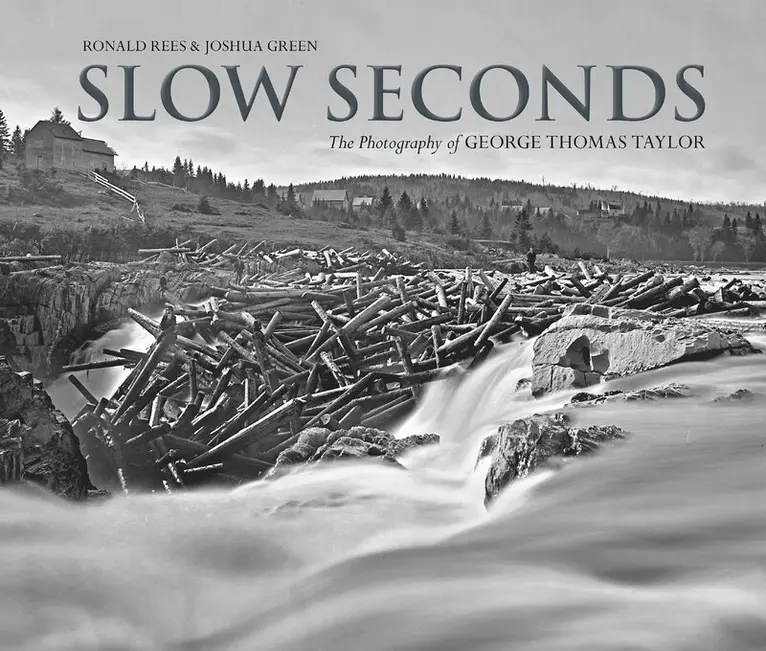
Finalist, New Brunswick Book Award (Non-Fiction)The photographs of George Taylor (1838-1913) offer viewers a fascinating glimpse into nineteenth-century New Brunswick. Taylor's career coincided with a period when photographers began to provide Canadians with images of the "wilderness." Drawing on the knowledge and expertise of Indigenous guides, Taylor travelled not only through settled parts of New Brunswick, but also into the wilderness of the north, providing views of hitherto unfamiliar and unknown terrain and helping to popularize the outdoors as a venue for canoeing, hunting and fishing.Taylor's work is also a record of rural and farm life on the rich floodplains and intervals of the Saint John River valley, of daily life in Fredericton, and of the large-scale expansion of railways in the province. Captured in the "slow seconds" of his camera, George Taylor's photographs illumined landscapes, people, and the seismic changes taking place at the cusp of the new century.The first book of Taylor's photographs, Slow Seconds presents a curated selection of one hundred photographs together with an account of the beginnings of photography and Taylor's life and work.
81 kr
Kommande