Ronald W. Morrison – författare
Visar alla böcker från författaren Ronald W. Morrison. Handla med fri frakt och snabb leverans.
3 produkter
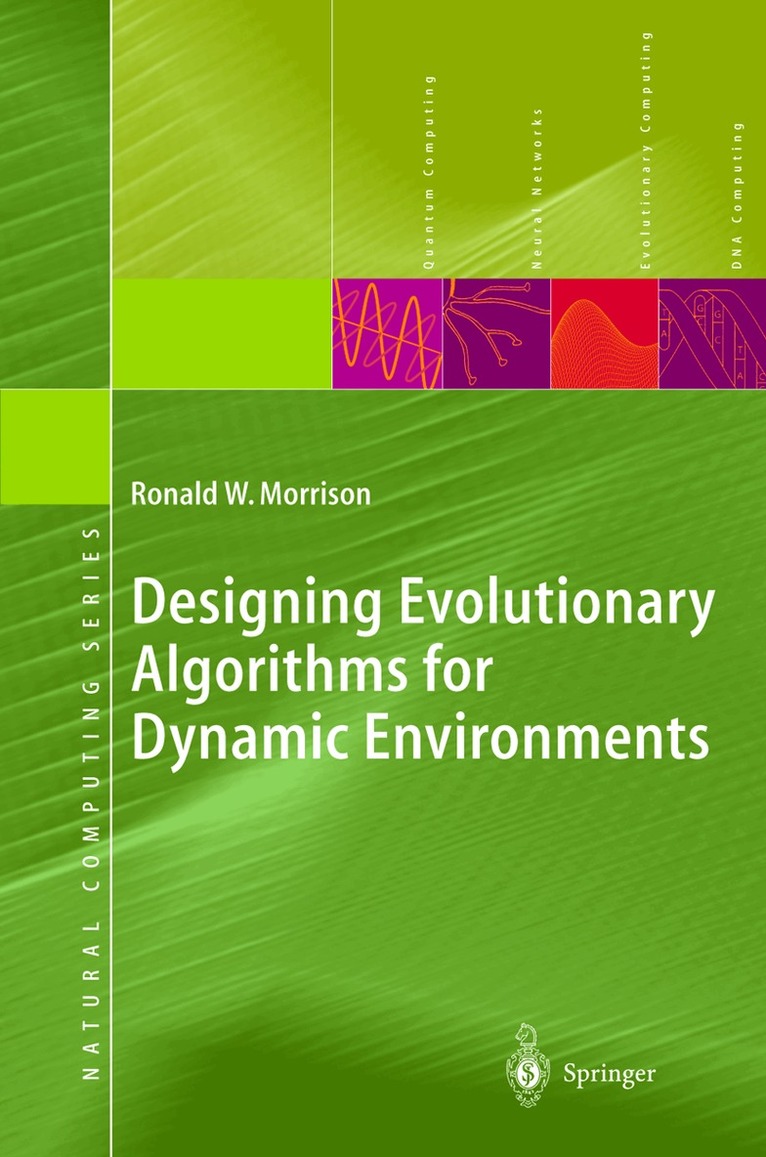
Designing Evolutionary Algorithms for Dynamic Environments
Inbunden, 2004
568 kr
Lägg i varukorg
The robust capability of evolutionary algorithms (EAs) to find solutions to difficult problems has permitted them to become popular as optimization and search techniques for many industries. Despite the success of EAs, the resultant solutions are often fragile and prone to failure when the problem …
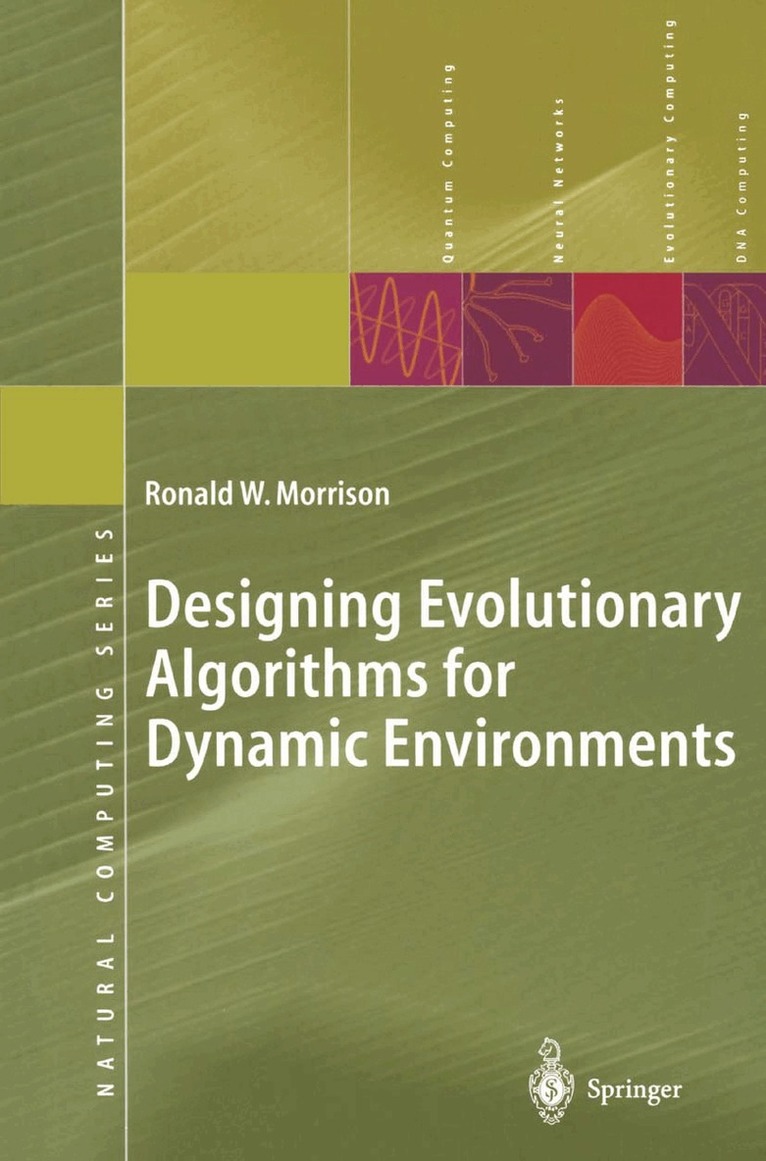
Designing Evolutionary Algorithms for Dynamic Environments
Häftad, 2010
568 kr
Lägg i varukorg
The robust capability of evolutionary algorithms (EAs) to find solutions to difficult problems has permitted them to become popular as optimization and search techniques for many industries. Despite the success of EAs, the resultant solutions are often fragile and prone to failure when the problem …
Designing Evolutionary Algorithms for Dynamic Environments
E-bok, 2013
739 kr
Lägg i varukorg
The robust capability of evolutionary algorithms (EAs) to find solutions to difficult problems has permitted them to become popular as optimization and search techniques for many industries. Despite the success of EAs, the resultant solutions are often fragile and prone to failure when the problem …