Rose-Mary Sargent - Böcker
Visar alla böcker från författaren Rose-Mary Sargent. Handla med fri frakt och snabb leverans.
4 produkter
4 produkter
991 kr
Skickas inom 7-10 vardagar
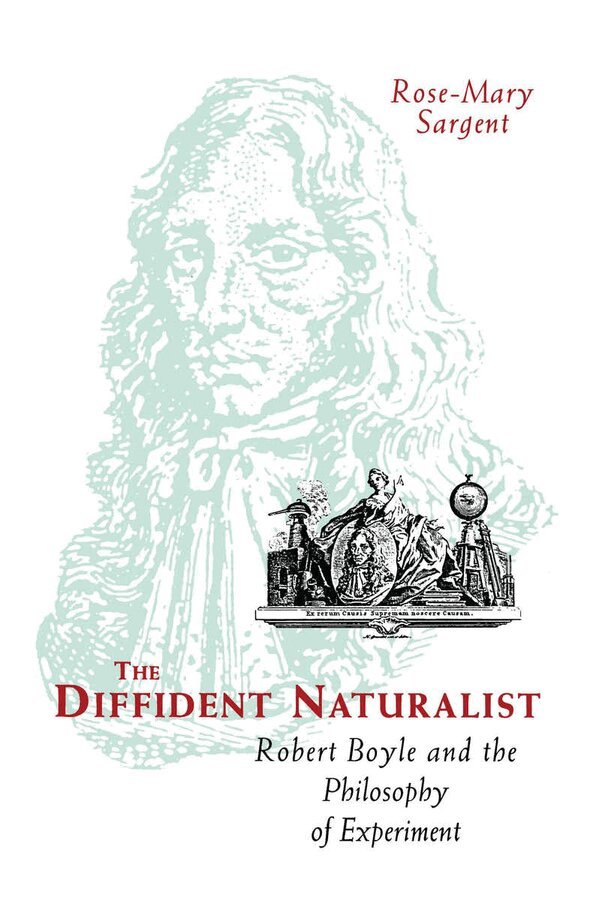
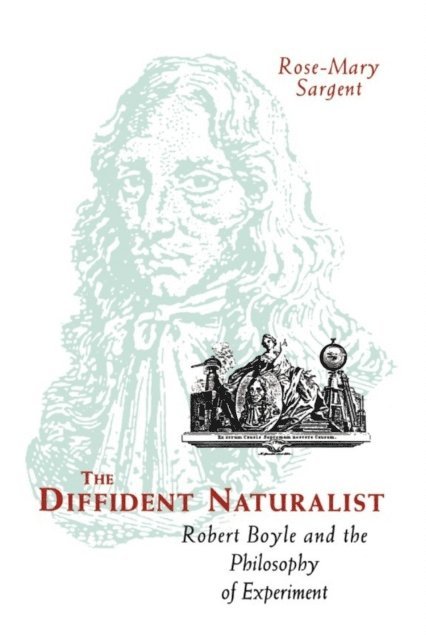
In this reassessment of one of the figures of early modern science, Rose-Mary Sargent explores Robert Boyle's philosophy of experiment, a central aspect of his life and work that became a model for mid to late 17th century natural philosophers and for those who followed them. Sargent examines the philosophical, legal, experimental, and religious traditions - among them English common law, alchemy, medicine, and Christianity - that played a part in shaping Boyle's experimental thought and practice. The roots of his philosophy in his early life and education, in his religious ideals and in the work of his predecessors - particularly Bacon, Descartes and Galileo - are explored, as are the possible influences of his social and intellectual circle. Drawing on a range of Boyle's published works, as well as on his unpublished notebooks and manuscripts, Sargent shows how these diverse influences were transformed and incorporated into Boyle's views on, and practice of, experiment.
455 kr
Skickas inom 7-10 vardagar
In this reassessment of one of the figures of early modern science, Rose-Mary Sargent explores Robert Boyle's philosophy of experiment, a central aspect of his life and work that became a model for mid to late 17th century natural philosophers and for those who followed them. Sargent examines the philosophical, legal, experimental, and religious traditions - among them English common law, alchemy, medicine, and Christianity - that played a part in shaping Boyle's experimental thought and practice. The roots of his philosophy in his early life and education, in his religious ideals and in the work of his predecessors - particularly Bacon, Descartes and Galileo - are explored, as are the possible influences of his social and intellectual circle. Drawing on a range of Boyle's published works, as well as on his unpublished notebooks and manuscripts, Sargent shows how these diverse influences were transformed and incorporated into Boyle's views on, and practice of, experiment.
234 kr
Skickas
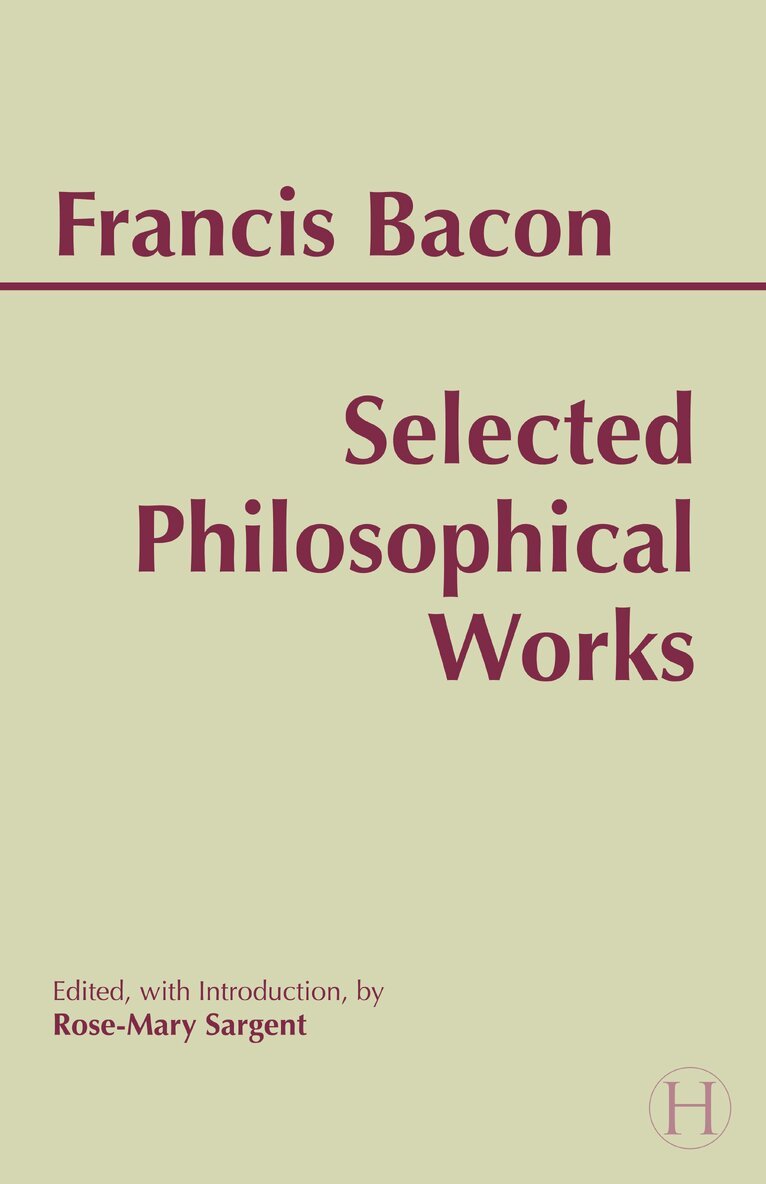
The most comprehensive collection available in paperback of Bacon’s philosophical and scientific writings, this volume offers Bacon's major works in their entirety, or in substantive selections, revised from the classic 19th century editions of Spedding, Ellis, and Heath. Selections from some of Bacon's natural histories round out this edition by showing the types of compilations that he believed would most contribute to the third part of his Great Instauration.Each work has a separate brief introduction indicating the major themes developed. In her general Introduction, Sargent gives a biographical sketch of Bacon's early life, education, and legal career, discusses the major components of his philosophical project, and traces his influence on subsequent natural philosophy. In addition, she looks at the primarily negative evaluations of Bacon's methodological writings by philosophers of science in the first half of the twentieth century, the reassessments of his works that took place as the influence of logical empiricism declined, and the current revival of interest in Bacon that coincides with the focus on experimental practice today.A bibliography and index complete the text.
586 kr
Skickas inom 11-20 vardagar
The most comprehensive collection available in paperback of Bacon’s philosophical and scientific writings, this volume offers Bacon's major works in their entirety, or in substantive selections, revised from the classic 19th century editions of Spedding, Ellis, and Heath. Selections from some of Bacon's natural histories round out this edition by showing the types of compilations that he believed would most contribute to the third part of his Great Instauration.Each work has a separate brief introduction indicating the major themes developed. In her general Introduction, Sargent gives a biographical sketch of Bacon's early life, education, and legal career, discusses the major components of his philosophical project, and traces his influence on subsequent natural philosophy. In addition, she looks at the primarily negative evaluations of Bacon's methodological writings by philosophers of science in the first half of the twentieth century, the reassessments of his works that took place as the influence of logical empiricism declined, and the current revival of interest in Bacon that coincides with the focus on experimental practice today.A bibliography and index complete the text.