Ross Brann - Böcker
Visar alla böcker från författaren Ross Brann. Handla med fri frakt och snabb leverans.
4 produkter
4 produkter
126 kr
Skickas inom 5-8 vardagar
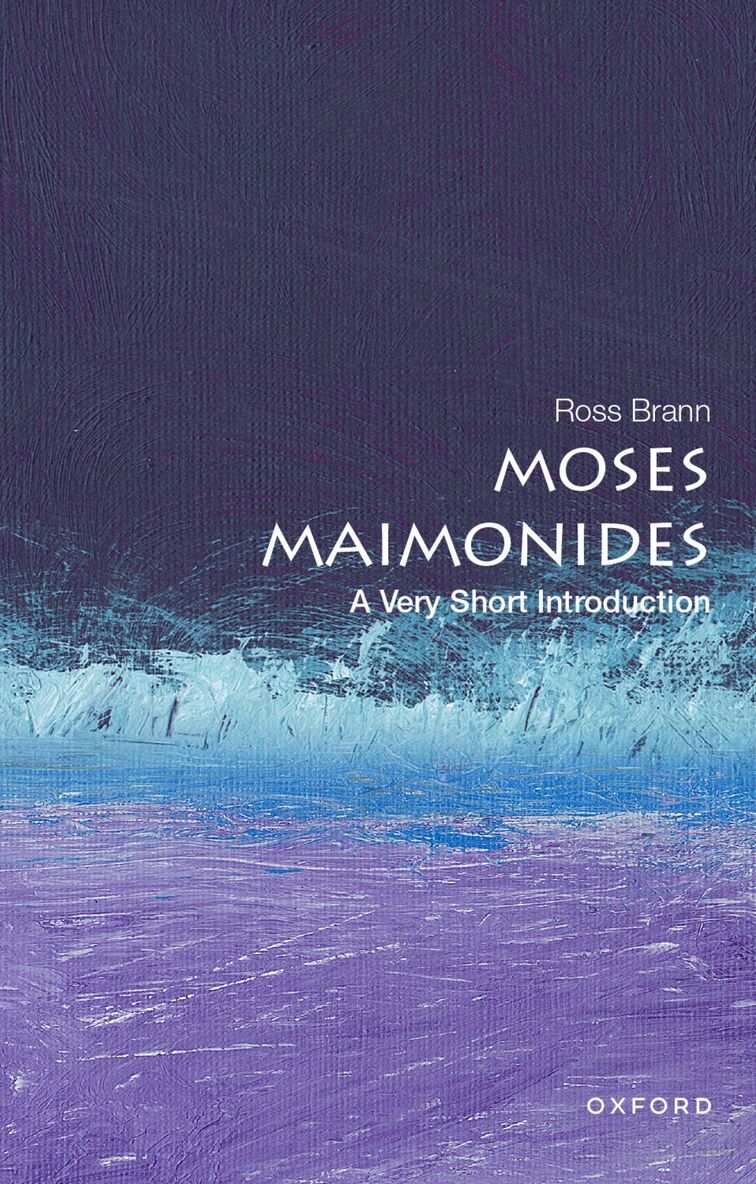
Moses Maimonides, a scientist, physician, philosopher, rabbinic scholar, and communal leader, was perhaps the most imposing Jewish figure of the pre-modern age. Yet, more than eight centuries after his death, the meaning of his life and his work remains contested. This Very Short Introduction to Moses Maimonides surveys Maimonides' many intellectual, literary, and professional ventures. Born in Islamic Cordoba, he ultimately settled in Cairo, where he served as jurist and civic leader and a highly esteemed physician with responsibilities at the Fatimid and Ayyubid courts, even as he deepened his philosophical-theological pursuits. He moved seamlessly between specialized, private, and public Jewish and Muslim spheres. Indeed, his written works traverse multiple disciplines, employ several literary genres, and address various elite and popular audiences. Beginning with his Commentary on the Mishnah and culminating in the seminal Mishneh Torah (Code of Jewish Law), Maimonides reorganized and systematized all of rabbinic law. He regarded the attainment of wisdom as the ultimate goal of human life. Like many Jewish and Muslim religious intellectuals of the period Maimonides was preoccupied with the problem posed by the language religious tradition deploys in referring to God. His Guide for the Perplexed treats this central challenge to knowing God's absolute, unchanging unity, as well as defining the purpose of divine law and supposed interruption of the natural order in the form of prophecy and miracles.This book organizes Maimonides' thinking and writings thematically and puts his works into dialogue with one another. It proposes that the key to engaging Maimonides on his own terms is to understand he applied a rationalist's regimen characteristic of his scientific research and practice of medicine to all of his life's work: he observed and studied a problem, diagnosed it, and then prescribed a remedy for it whether the concern was physical, metaphysical, spiritual, intellectual, or social in nature.His Arabic and Hebrew contributions to each of his fields of inquiry were translated and disseminated far and wide and found a prominent place among religious and scientific intellectuals in the Latin West and throughout the Jewish and Islamic worlds.
Power in the Portrayal
Representations of Jews and Muslims in Eleventh- and Twelfth-Century Islamic Spain
Häftad, Engelska, 2010
303 kr
Skickas inom 7-10 vardagar
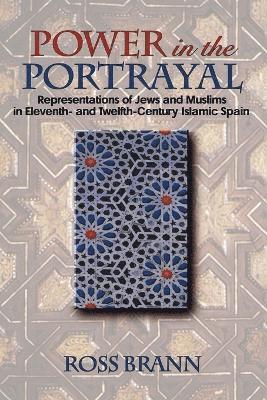
Power in the Portrayal unveils a fresh and vital perspective on power relations in eleventh- and twelfth-century Muslim Spain as reflected in historical and literary texts of the period. Employing the methods of the new historical literary study in looking at a range of texts, Ross Brann reveals the paradoxical relations between the Andalusi Muslim and Jewish elites in an era when long periods of tolerance and respect were punctuated by outbreaks of tension and hostility. The examined Arabic texts reveal a fragmented perception of the Jew in eleventh-century al-Andalus. They depict seemingly contradictory figures at whose poles are an intelligent, skilled, and noble Jew deserving of homage and a vile, stupid, and fiendish enemy of God and Islam. For their part, the Hebrew and Judeo-Arabic texts display a deep-seated reluctance to portray Muslims in any light at all. Brann cogently demonstrates that these representations of Jews and Muslims--each of which is concerned with issues of sovereignty and the exercise of power--reflect the shifting, fluctuating, and ambivalent relations between elite members of two of the ethno-religious communities of al-Andalus.Brann's accessible prose is enriched by his splendid translations; the original texts are also included. This book is the first to study the construction of social meaning in Andalusi Arabic, Judeo-Arabic, and Hebrew literary texts and historical chronicles. The novel approach illuminates nuances of respect, disinterest, contempt, and hatred reflected in the relationship between Muslims and Jews in medieval Spain.
Renewing the Past, Reconfiguring Jewish Culture
From Al-Andalus to the Haskalah
Inbunden, Engelska, 2004
893 kr
Skickas inom 10-15 vardagar
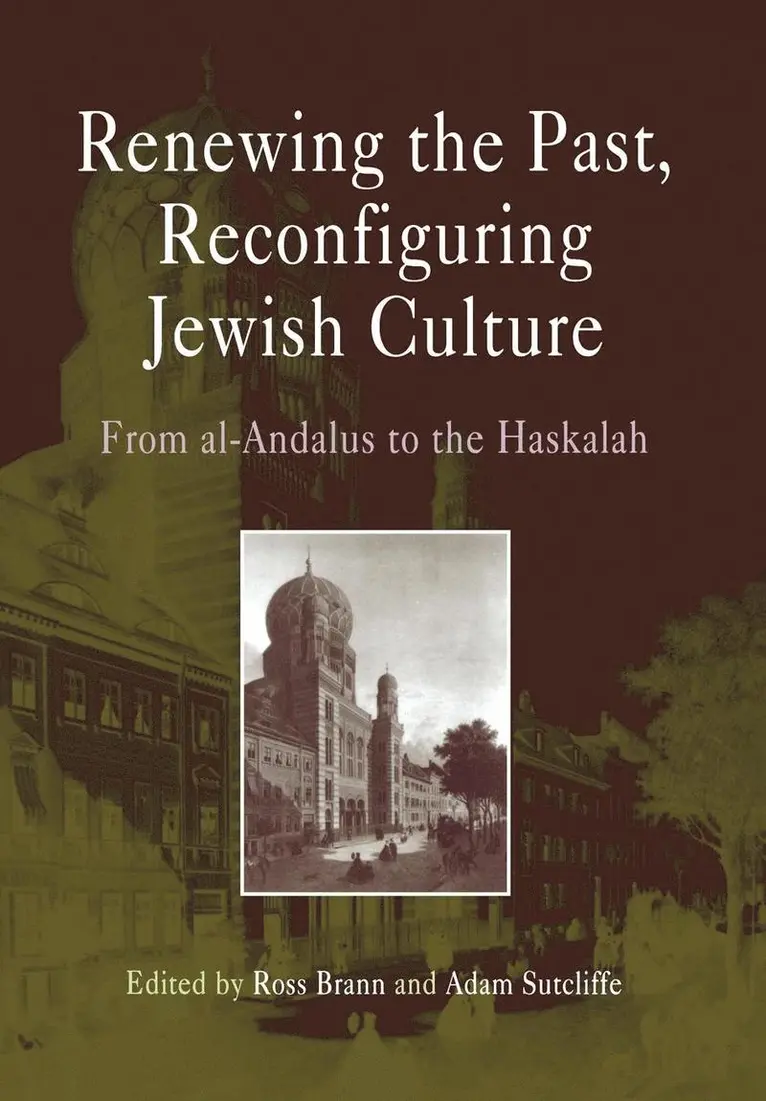
In a penetrating exploration of the various ways memories and representations of the Jewish past have been reconfigured in new historical circumstances, Renewing the Past, Reconfiguring Jewish Culture focuses on two key eras of encounter between Jews and non-Jews: the golden age of Sephardic culture in Islamic al-Andalus, on the one hand, and on the other, the period of the European Enlightenment and the Jewish Enlightenment, or Haskalah, which it inspired. The writings assembled here engage with key issues to understand how in both epochs the cultural orientation of Jewish society was profoundly reassessed and transformed by new influences filtering in from outside.Adopting a comparative historical approach, Renewing the Past, Reconfiguring Jewish Culture offers a view of moments of heightened interaction between Jews and their host cultures. The elevation of the ideal of rationalism provoked significant shifts in the aesthetic values and patterns of cultural memory in Sephardic al-Andalus; this same ideal once again posed insistent challenges in the era of the Enlightenment, to which Jewish intellectuals widely responded by evoking, but also refashioning, the historical precedent of the Andalusian Golden Age.Looking to contexts ranging from premodern Spain and Italy to nineteenth-century Russia, Germany, and America, the eleven contributors to this volume-drawn equally from literary and historical studies-explore the ways the political and intellectual aspirations of successive historical presents have repeatedly reshaped the forms and narratives of Jewish cultural memory.
561 kr
Skickas inom 10-15 vardagar
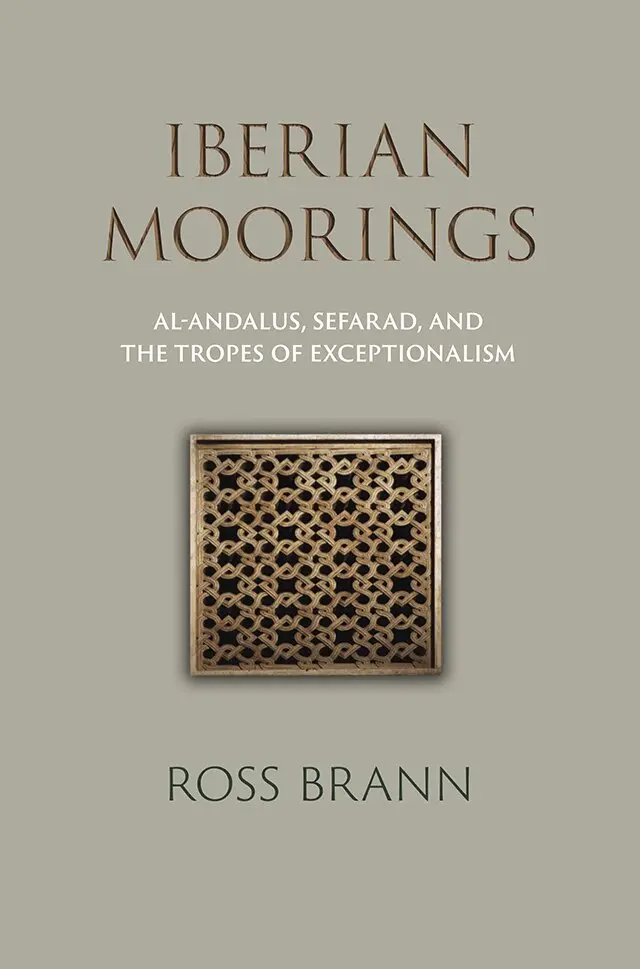
To Christians the Iberian Peninsula was Hispania, to Muslims al-Andalus, and to Jews Sefarad. As much as these were all names given to the same real place, the names also constituted ideas, and like all ideas, they have histories of their own. To some, al-Andalus and Sefarad were the subjects of conventional expressions of attachment to and pride in homeland of the universal sort displayed in other Islamic lands and Jewish communities; but other Muslim and Jewish political, literary, and religious actors variously developed the notion that al-Andalus or Sefarad, its inhabitants, and their culture were exceptional and destined to play a central role in the history of their peoples.In Iberian Moorings Ross Brann traces how al-Andalus and Sefarad were invested with special political, cultural, and historical significance across the Middle Ages. This is the first work to analyze the tropes of Andalusi and Sefardi exceptionalism in comparative perspective. Brann focuses on the social power of these tropes in Andalusi Islamic and Sefardi Jewish cultures from the tenth through the twelfth century and reflects on their enduring influence and its expressions in scholarship, literature, and film down to the present day.