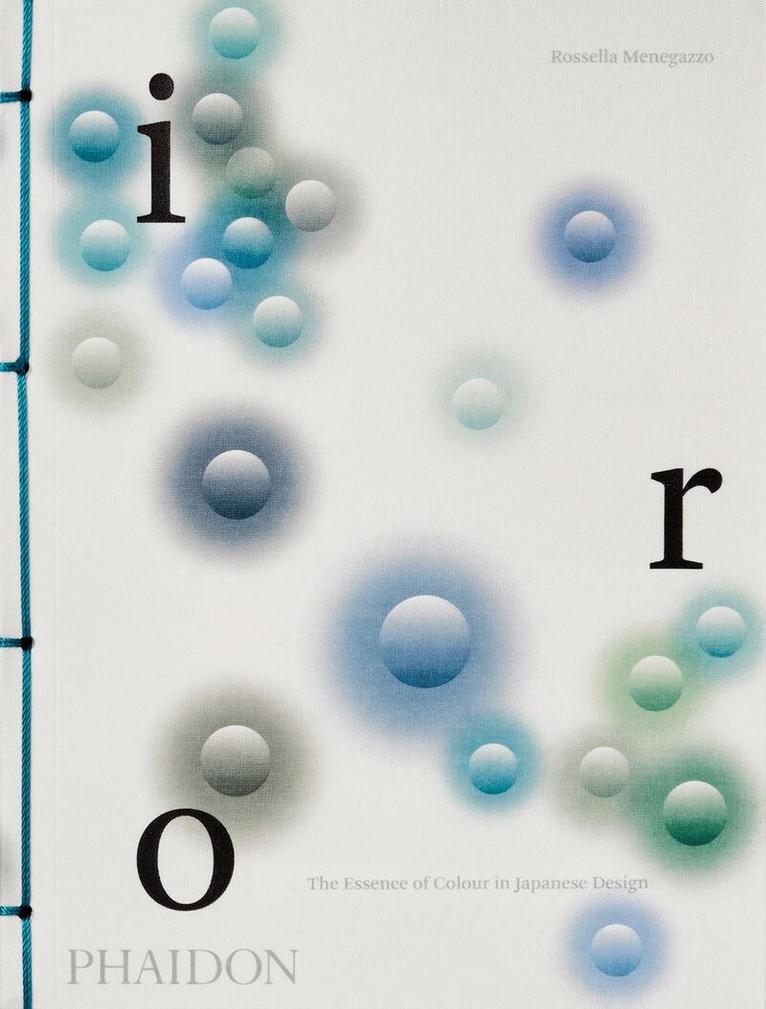
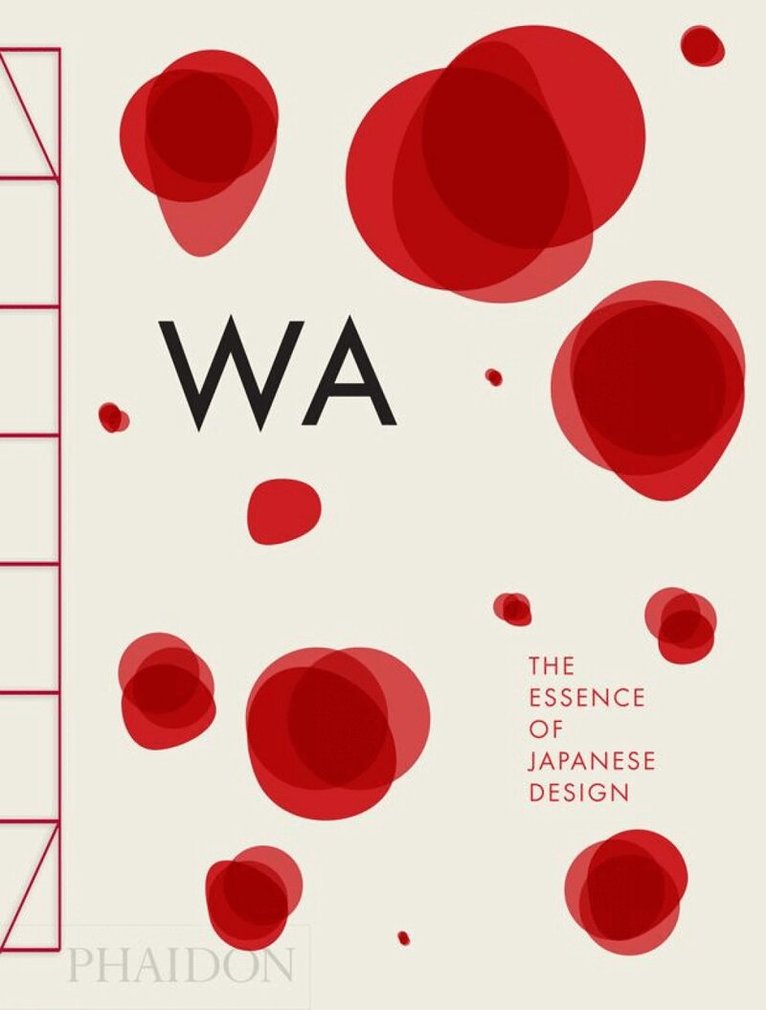
The first and only survey of Japanese design as seen through the lens of Japan’s traditional colour spectrum – an exquisitely packaged fresh take on a universally popular topicThe traditional colours of Japan have been in use since the seventh century, originally to indicate rank and social hierarchy but, over time, their significance has broadened to include all manner of designed objects. This landmark volume celebrates a curated selection of 200 colours (iro in Japanese), with each traditional shade illustrated by one or more items – ranging from 16th-century kimonos to contemporary chairs, humble kitchen utensils to precious ceramics – providing a unique route to a deeper appreciation of Japanese design. Expertly bound in a traditional Japanese style, this stunning book is a beautiful design object in its own right and is a must-have for all lovers of design.
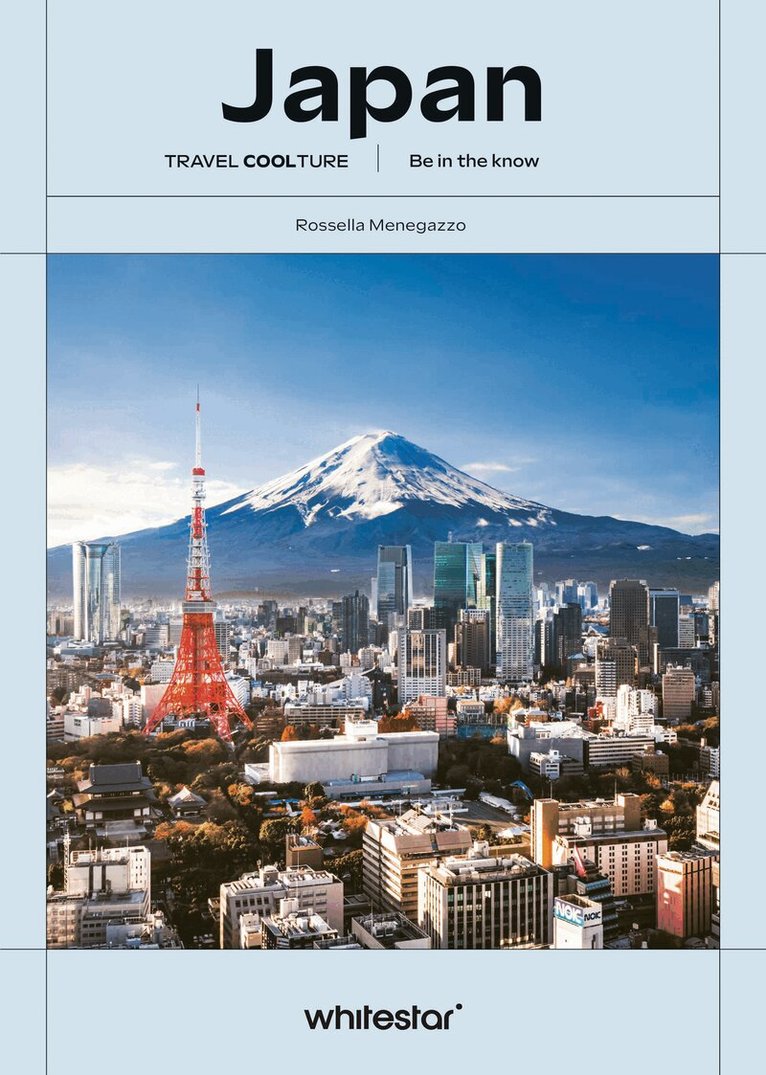
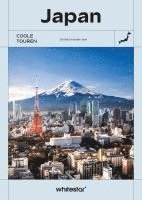
This volume tells the story of Japan in an unconventional way, laying out what makes it a unique place in our world. People no longer look to printed guides for addresses or technical information before travelling: there are excellent apps for that. Those who love travelling today, want to discover the culture of a place; the mythical stories that made (and make) it great; the places of worship (both religious and cultural); and any relevant insights that help them feel “in the know” as they envision their itinerary. Each book in the Travel Coolture series is divided into about 10 chapters, each delving into a specific theme that defines a place’s identify – presented through short texts rich in content, jaw-dropping photographs, and enthralling tidbits that enable them to feel the place, before they see it.
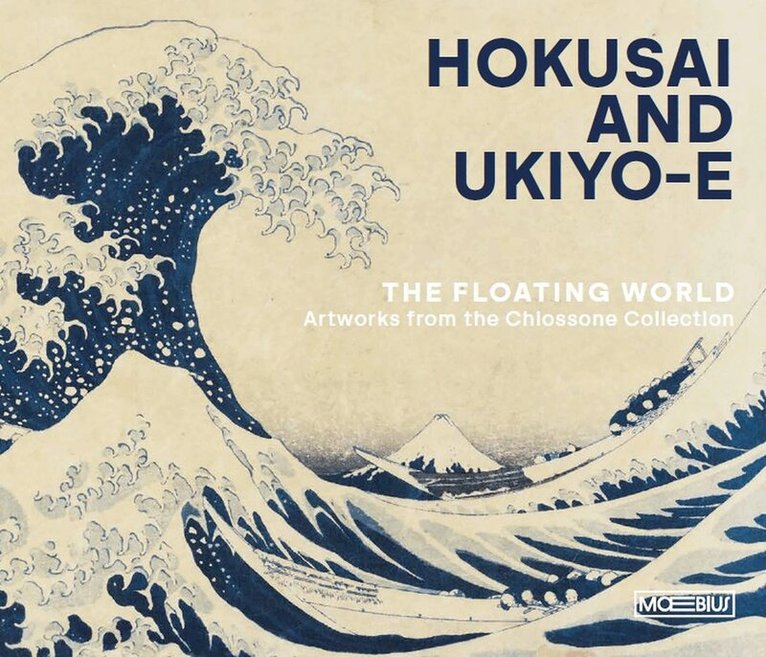
The catalogue for the exhibition at the Cleve Carney Museum in Chicago (2025) presents an exceptional collection of Japanese artworks, offering the public an in-depth understanding of Japanese painting production from the Edo period (1603–1868), particularly of ukiyo-e, the “images of the Floating World.” The volume includes a selection of hanging vertical scroll paintings (kakemono) and hand-painted horizontal scrolls by the great masters of the various schools, starting from the mid-17th century. Also featured are colour woodblock prints with black outlines and hand painted details — a technique that evolved into nishiki-e, the famous multicoloured “brocade pictures” — as well as printed and painted fans, and high-quality handcrafted objects that testify to Japan’s rich artistic and artisanal tradition, such as board games and musical instruments. These works reflect the evolution of taste, fashion, and entertainment culture that developed during the long Tokugawa peace corresponding to the Edo period. The extraordinary works come from the prestigious collections of the E. Chiossone Museum of Oriental Art in Genoa.
The first and only survey of Japanese design as seen through the lens of Japan’s traditional colour spectrum – an exquisitely packaged fresh take on a universally popular topicThe traditional colours of Japan have been in use since the seventh century, originally to indicate rank and social hierarchy but, over time, their significance has broadened to include all manner of designed objects. This landmark volume celebrates a curated selection of 200 colours (iro in Japanese), with each traditional shade illustrated by one or more items – ranging from 16th-century kimonos to contemporary chairs, humble kitchen utensils to precious ceramics – providing a unique route to a deeper appreciation of Japanese design. Expertly bound in a traditional Japanese style, this stunning book is a beautiful design object in its own right and is a must-have for all lovers of design.
This volume tells the story of Japan in an unconventional way, laying out what makes it a unique place in our world. People no longer look to printed guides for addresses or technical information before travelling: there are excellent apps for that. Those who love travelling today, want to discover the culture of a place; the mythical stories that made (and make) it great; the places of worship (both religious and cultural); and any relevant insights that help them feel “in the know” as they envision their itinerary. Each book in the Travel Coolture series is divided into about 10 chapters, each delving into a specific theme that defines a place’s identify – presented through short texts rich in content, jaw-dropping photographs, and enthralling tidbits that enable them to feel the place, before they see it.
The catalogue for the exhibition at the Cleve Carney Museum in Chicago (2025) presents an exceptional collection of Japanese artworks, offering the public an in-depth understanding of Japanese painting production from the Edo period (1603–1868), particularly of ukiyo-e, the “images of the Floating World.” The volume includes a selection of hanging vertical scroll paintings (kakemono) and hand-painted horizontal scrolls by the great masters of the various schools, starting from the mid-17th century. Also featured are colour woodblock prints with black outlines and hand painted details — a technique that evolved into nishiki-e, the famous multicoloured “brocade pictures” — as well as printed and painted fans, and high-quality handcrafted objects that testify to Japan’s rich artistic and artisanal tradition, such as board games and musical instruments. These works reflect the evolution of taste, fashion, and entertainment culture that developed during the long Tokugawa peace corresponding to the Edo period. The extraordinary works come from the prestigious collections of the E. Chiossone Museum of Oriental Art in Genoa.