Rouran Zhang – författare
Visar alla böcker från författaren Rouran Zhang. Handla med fri frakt och snabb leverans.
6 produkter
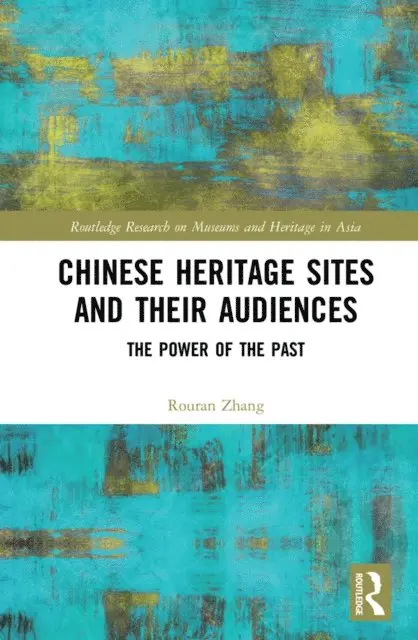
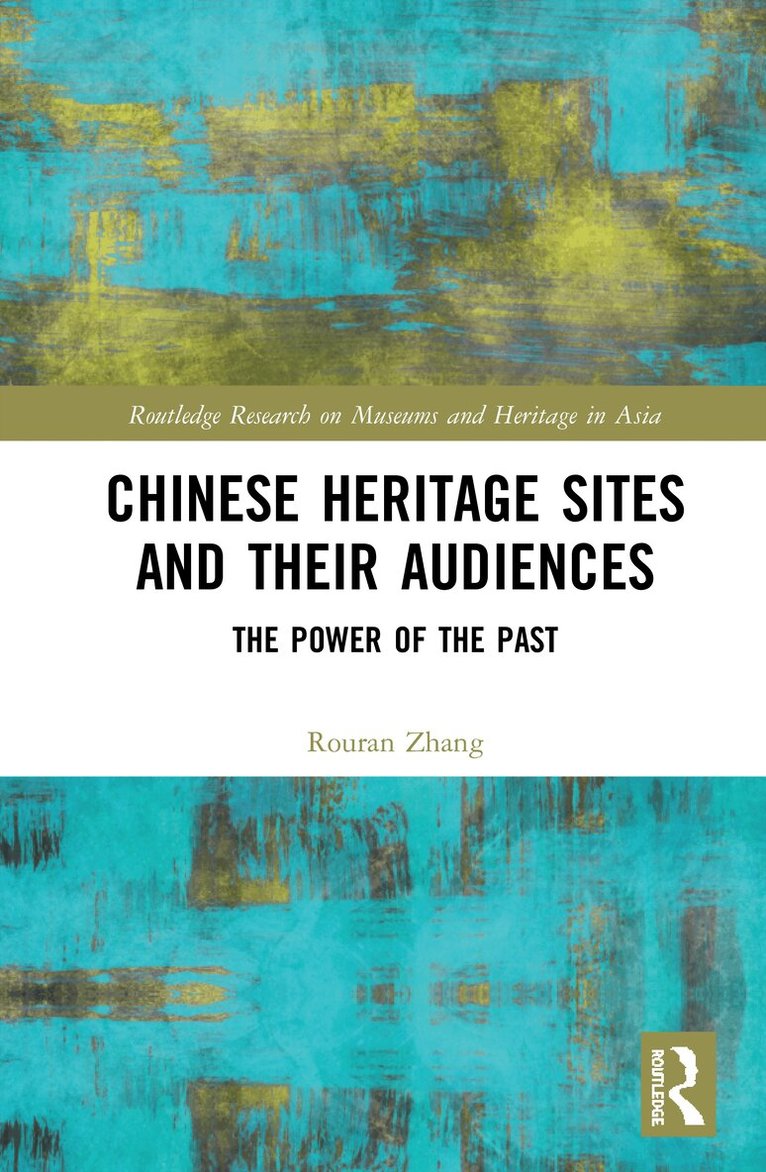
Chinese Heritage Sites and their Audiences
The Power of the Past
Av Rouran Zhang
E-bok, 2020
856 kr
Lägg i varukorg
Chinese Heritage Sites and their Audiences provides a Chinese perspective on tourists’ relationship to heritage. Contributing to ongoing debates within heritage and tourism studies, the book offers insights into how and why visitors engage with such sites. Drawing on interviews with domestic …
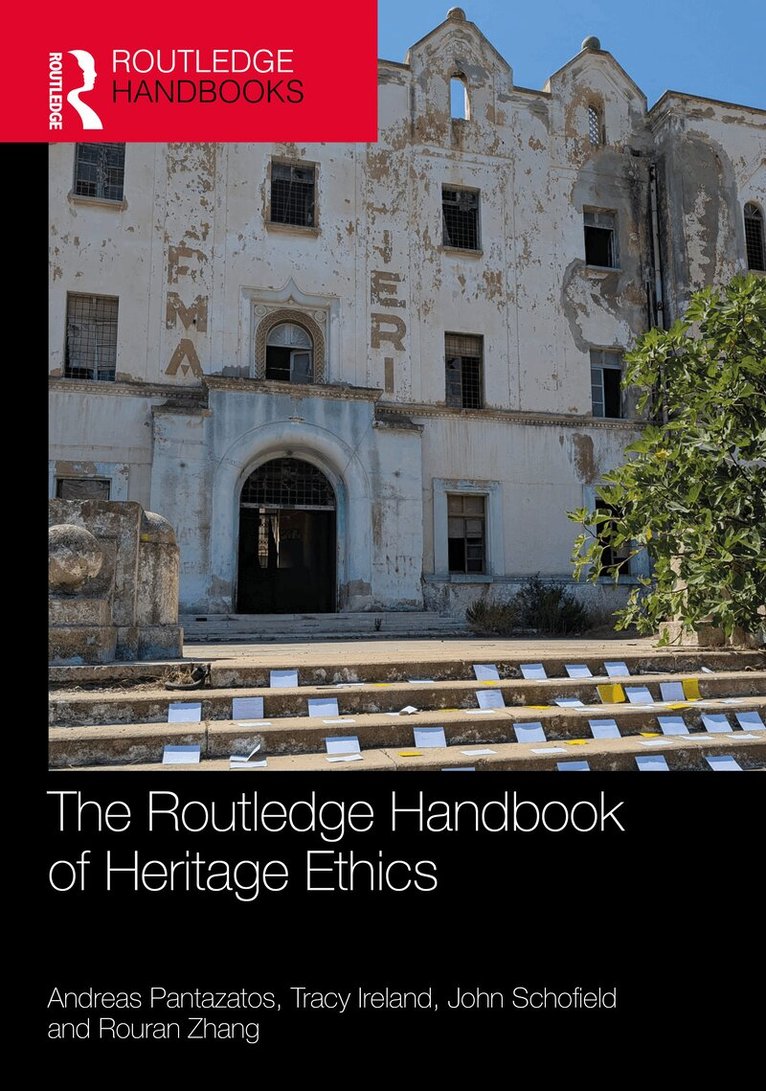
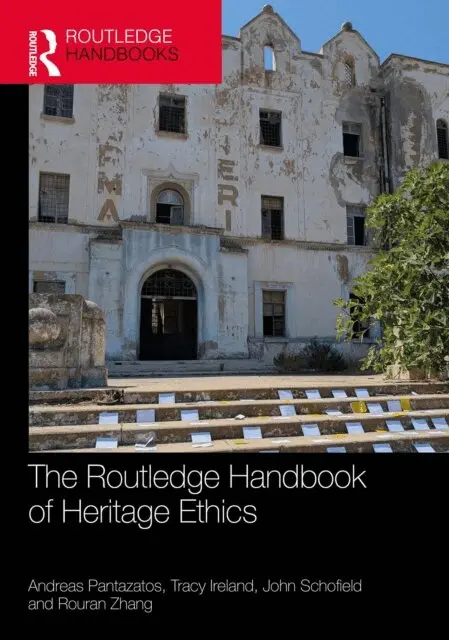
Routledge Handbook of Heritage Ethics
Av Andreas Pantazatos, Tracy Ireland m. fl.
Inbunden, 2026
3799 kr
Lägg i varukorg
The Routledge Handbook of Heritage Ethics offers a comprehensive and rigorous analysis of the concepts, challenges and dilemmas that characterise and shape contemporary heritage ethics in theory and practice. The essays within this volume examine how ethical approaches to heritage have evolved and …
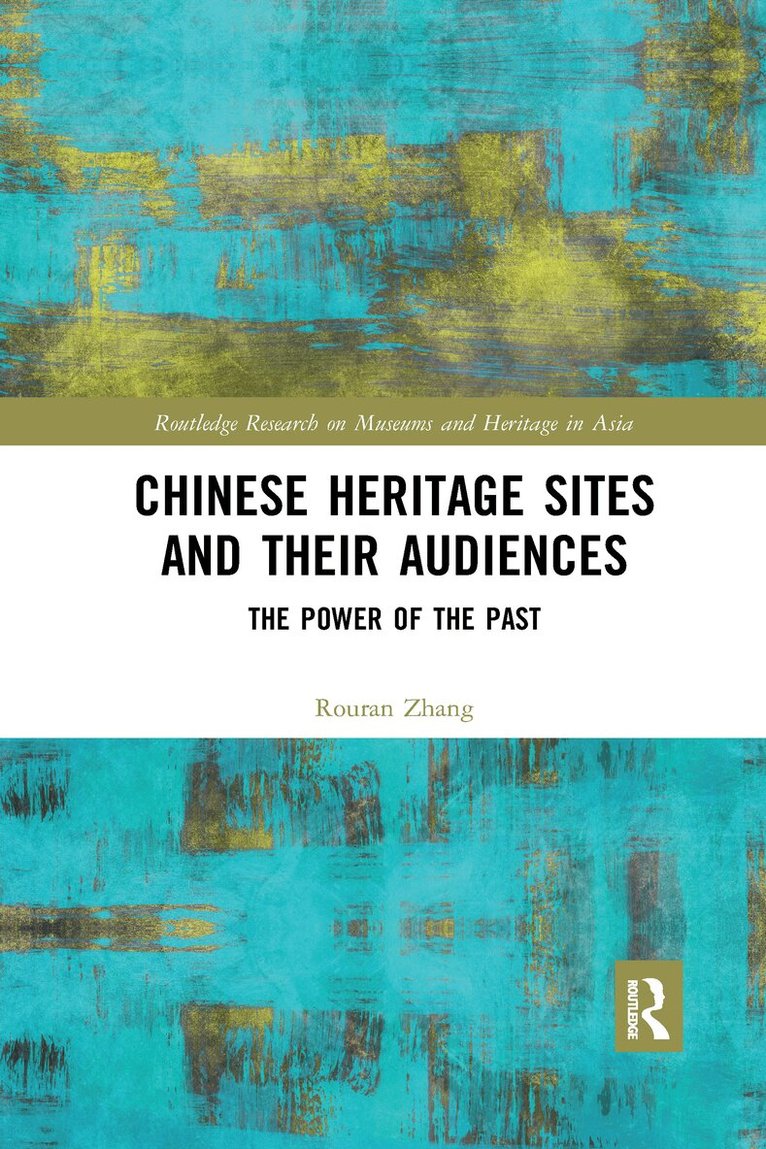
Chinese Heritage Sites and their Audiences
The Power of the Past
Av Rouran Zhang
Häftad, 2021
728 kr
Lägg i varukorg
Chinese Heritage Sites and their Audiences provides a Chinese perspective on tourists’ relationship to heritage. Contributing to ongoing debates within heritage and tourism studies, the book offers insights into how and why visitors engage with such sites.Drawing on interviews with domestic …
Routledge Handbook of Heritage Ethics
Av Rouran Zhang, John Schofield m. fl.
E-bok, 2026
4320 kr
Lägg i varukorg
The Routledge Handbook of Heritage Ethics offers a comprehensive and rigorous analysis of the concepts, challenges and dilemmas that characterise and shape contemporary heritage ethics in theory and practice. The essays within this volume examine how ethical approaches to heritage have evolved and …
Routledge Handbook of Heritage Ethics
Av Rouran Zhang, John Schofield m. fl.
E-bok, 2026
4415 kr
Lägg i varukorg
The Routledge Handbook of Heritage Ethics offers a comprehensive and rigorous analysis of the concepts, challenges and dilemmas that characterise and shape contemporary heritage ethics in theory and practice. The essays within this volume examine how ethical approaches to heritage have evolved and …
Chinese Heritage Sites and their Audiences
The Power of the Past
Av Rouran Zhang
Inbunden, 2020
2831 kr
Lägg i varukorg
Chinese Heritage Sites and their Audiences provides a Chinese perspective on tourists’ relationship to heritage. Contributing to ongoing debates within heritage and tourism studies, the book offers insights into how and why visitors engage with such sites.Drawing on interviews with domestic …