Roy C. Smith – författare
Visar alla böcker från författaren Roy C. Smith. Handla med fri frakt och snabb leverans.
13 produkter
Governing the Modern Corporation
Capital Markets, Corporate Control, and Economic Performance
Inbunden, 2006
1123 kr
Lägg i varukorg
Nearly seventy years after the last great stock market bubble and crash, another bubble emerged and burst, despite a thick layer of regulation designed since the 1930s to prevent such things. This time the bubble was enormous, reflecting nearly twenty years of double-digit stock market growth, and …
Global Banking
Av Roy C. Smith, Ingo Walter m. fl.
Inbunden, 2012
1639 kr
Lägg i varukorg
Few sectors of the global economy have experienced the dynamic and structural change that has occurred over the past several decades in banking and financial services or as much turbulence and damage to the economy and to ordinary people. Regulatory and technological changes have been among the …
Governing the Modern Corporation
Capital Markets, Corporate Control, and Economic Performance
E-bok, 2006
925 kr
Lägg i varukorg
Nearly seventy years after the last great stock market bubble and crash, another bubble emerged and burst, despite a thick layer of regulation designed since the 1930s to prevent such things. This time the bubble was enormous, reflecting nearly twenty years of double-digit stock market growth, and …
Global Banking
Av Gayle DeLong, Ingo Walter m. fl.
E-bok, 2011
1265 kr
Lägg i varukorg
Few sectors of the global economy have experienced the dynamic and structural change that has occurred over the past several decades in banking and financial services or as much turbulence and damage to the economy and to ordinary people. Regulatory and technological changes have been among the …
Governing the Modern Corporation
Capital Markets, Corporate Control, and Economic Performance
E-bok, 2006
925 kr
Lägg i varukorg
Nearly seventy years after the last great stock market bubble and crash, another bubble emerged and burst, despite a thick layer of regulation designed since the 1930s to prevent such things. This time the bubble was enormous, reflecting nearly twenty years of double-digit stock market growth, and …
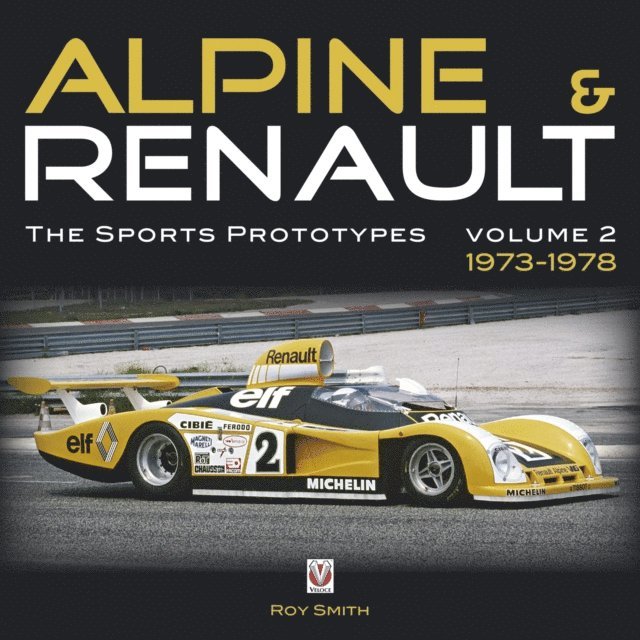
Alpine & Renault
The Sports Prototypes: Volume 2: 1973 to 1978
Av Roy C. Smith
E-bok, 2019
197 kr
Lägg i varukorg
Sports prototype racing is about endurance, for the drivers, for the teams and for the companies involved. In this story we see the effort, the blood, the sweat and the tears, reputations won and lost, life and also death; in the case of Alpine, it had a passion and dedication for racing over a …
Porsche 924 Carrera
Evolution to Excellence
Av Roy C. Smith
E-bok, 2020
154 kr
Lägg i varukorg
This is the story of an incredible and very rare car. The 924 Carrera was widely reported at the time as being one of the greatest of the Porsche ''specials,'' but has been overshadowed in history by other models. Here, for the first time, is the definitive story of the Porsche 924 Carrera. One of …
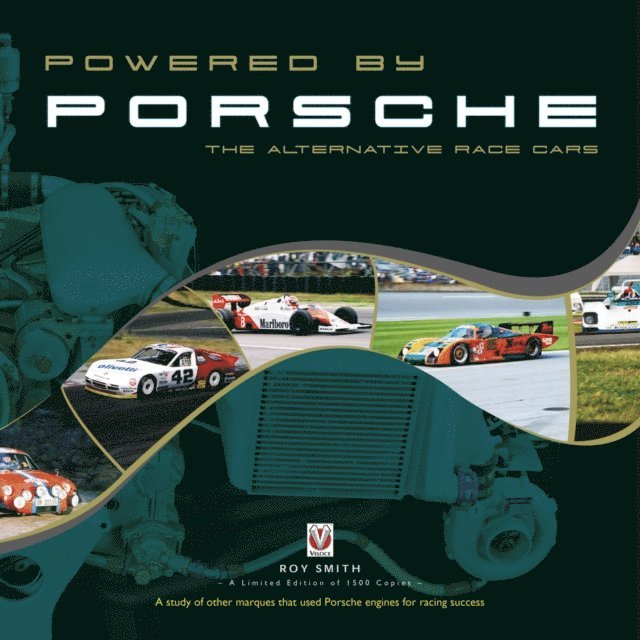
Powered by Porsche
The Alternative Race Cars
Av Roy C. Smith
E-bok, 2021
154 kr
Lägg i varukorg
Powered by Porsche - the Alternative Race Cars is a thorough and fascinating account of the racing cars that were powered by Porsche engines, but where the chassis and development of the car was carried out by others. The Porsche company in Zuffenhausen, Germany, can probably be said to be the most …
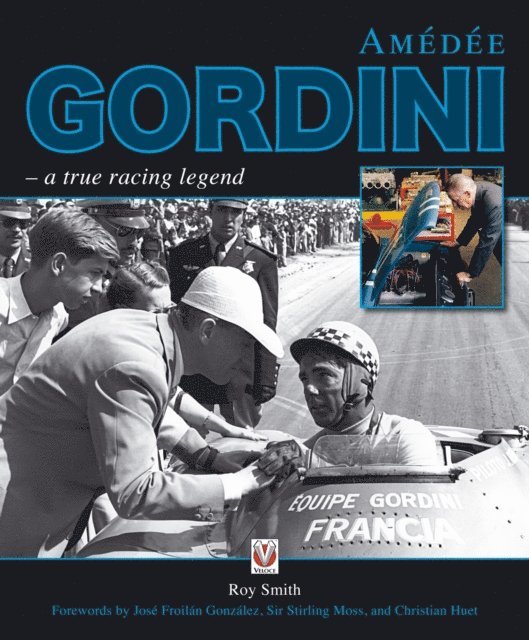
Amedee Gordini
a true racing legend
Av Roy C. Smith
E-bok, 2022
227 kr
Lägg i varukorg
This is a story of excitement, laughs, astonishment and anger - a story of the determination of a man with a dream and a passion for motor racing in the big leagues. It is the first time that the history of the always under-financed Gordini racing team has been documented in English, and the first …
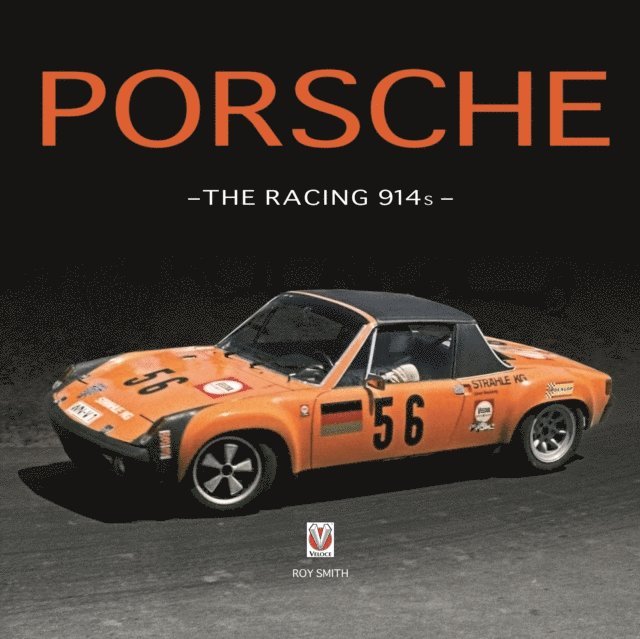
Porsche
The Racing 914s
Av Roy C. Smith
E-bok, 2024
227 kr
Lägg i varukorg
There are still those who see the Porsche 914 model as a ''funny little car,'' compared to the immortal 911. Granted, in its day, professional rally drivers were not keen on the 914: they were nervous driving it at the limit. Yet the records show that 914s were driven to at least 41 class wins, and …
Money Wars
The Rise and Fall of the Great Buyout Boom of the 1980s
Av Roy C. Smith
Häftad, 2000
456 kr
Lägg i varukorg