Rubén Arcos - Böcker
Visar alla böcker från författaren Rubén Arcos. Handla med fri frakt och snabb leverans.
7 produkter
7 produkter
3 288 kr
Skickas inom 10-15 vardagar
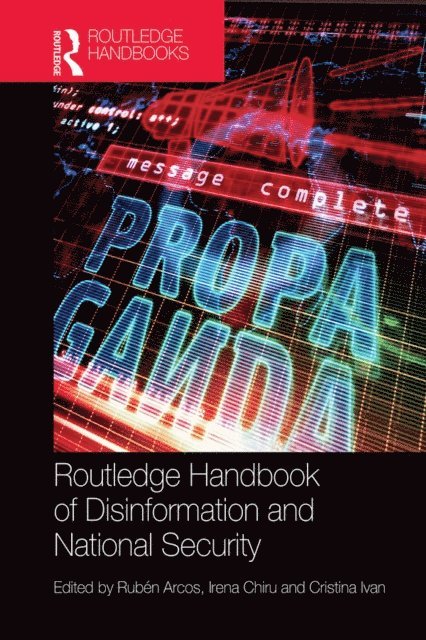
This interdisciplinary Handbook provides an in-depth analysis of the complex security phenomenon of disinformation and offers a toolkit to counter such tactics.Disinformation used to propagate false, inexact or out of context information is today a frequently used tool of political manipulation and information warfare, both online and offline. This Handbook evidences a historical thread of continuing practices and modus operandi in overt state propaganda and covert information operations. Further, it attempts to unveil current methods used by propaganda actors, the inherent vulnerabilities they exploit in the fabric of democratic societies and, last but not least, to highlight current practices in countering disinformation and building resilient audiences. The Handbook is divided into six thematic sections. The first part provides a set of theoretical approaches to hostile influencing, disinformation and covert information operations. The second part looks at disinformation and propaganda in historical perspective offering case study analysis of disinformation, and the third focuses on providing understanding of the contemporary challenges posed by disinformation and hostile influencing. The fourth part examines information and communication practices used for countering disinformation and building resilience. The fifth part analyses specific regional experiences in countering and deterring disinformation, as well as international policy responses from transnational institutions and security practitioners. Finally, the sixth part offers a practical toolkit for practitioners to counter disinformation and hostile influencing. This handbook will be of much interest to students of national security, propaganda studies, media and communications studies, intelligence studies and International Relations in general.
703 kr
Skickas inom 10-15 vardagar
This interdisciplinary Handbook provides an in-depth analysis of the complex security phenomenon of disinformation and offers a toolkit to counter such tactics.Disinformation used to propagate false, inexact or out of context information is today a frequently used tool of political manipulation and information warfare, both online and offline. This Handbook evidences a historical thread of continuing practices and modus operandi in overt state propaganda and covert information operations. Further, it attempts to unveil current methods used by propaganda actors, the inherent vulnerabilities they exploit in the fabric of democratic societies and, last but not least, to highlight current practices in countering disinformation and building resilient audiences. The Handbook is divided into six thematic sections. The first part provides a set of theoretical approaches to hostile influencing, disinformation and covert information operations. The second part looks at disinformation and propaganda in historical perspective offering case study analysis of disinformation, and the third focuses on providing understanding of the contemporary challenges posed by disinformation and hostile influencing. The fourth part examines information and communication practices used for countering disinformation and building resilience. The fifth part analyses specific regional experiences in countering and deterring disinformation, as well as international policy responses from transnational institutions and security practitioners. Finally, the sixth part offers a practical toolkit for practitioners to counter disinformation and hostile influencing. This handbook will be of much interest to students of national security, propaganda studies, media and communications studies, intelligence studies and International Relations in general.
1 476 kr
Skickas inom 10-15 vardagar
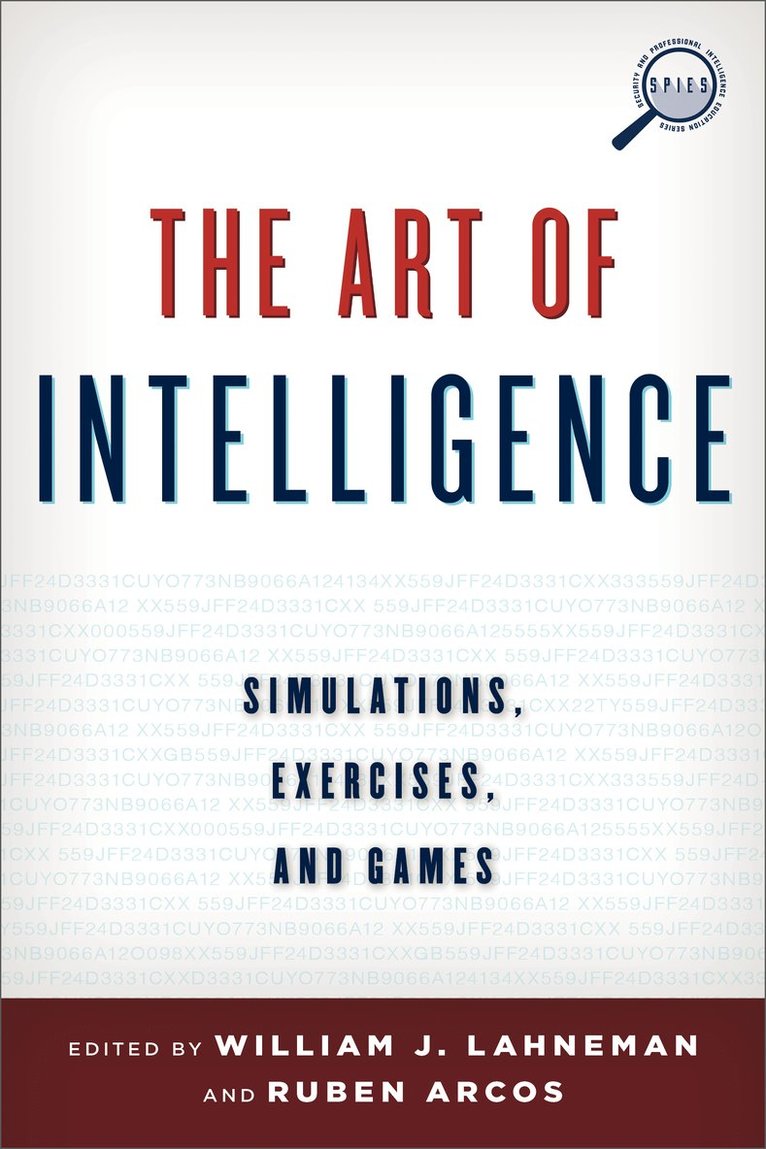
Since the 9/11 attacks, the number of intelligence courses and related curricula have soared. Many instructors look for interactive learning tools because they add immeasurable value to the student’s understanding of the intelligence enterprise. Such tools, however, take time and effort to develop and are not circulated among faculty. This is the first textbook to offer in one volume original simulations, exercises, and games designed by academics and intelligence professionals from several countries. These innovative methods are meant to enhance the learning experience and provide an international perspective to the topics and approaches discussed in class. Intelligence simulations and games are presented in ready-to run formats, from easy instructions to result recordings matrices, to minimize preparation time for both instructors and students. Exercises, such as cyber attack simulation, information sharing, ethical scenarios and more, expose the student to the many subtle aspects of the intelligence enterprise through active role-playing in simulations and game exercises. The cases cover a wide range of key analytical issues and contexts with an international focus for an innovative text that will suit intelligence training courses at all levels.
808 kr
Skickas inom 10-15 vardagar
Since the 9/11 attacks, the number of intelligence courses and related curricula have soared. Many instructors look for interactive learning tools because they add immeasurable value to the student’s understanding of the intelligence enterprise. Such tools, however, take time and effort to develop and are not circulated among faculty. This is the first textbook to offer in one volume original simulations, exercises, and games designed by academics and intelligence professionals from several countries. These innovative methods are meant to enhance the learning experience and provide an international perspective to the topics and approaches discussed in class. Intelligence simulations and games are presented in ready-to run formats, from easy instructions to result recordings matrices, to minimize preparation time for both instructors and students. Exercises, such as cyber attack simulation, information sharing, ethical scenarios and more, expose the student to the many subtle aspects of the intelligence enterprise through active role-playing in simulations and game exercises. The cases cover a wide range of key analytical issues and contexts with an international focus for an innovative text that will suit intelligence training courses at all levels.
669 kr
Skickas inom 7-10 vardagar
The only professional resource of its kind to offer in one volume original simulations, exercises, and games designed by academics and intelligence professionals from several countries. These interactive learning tools add immeasurable value to students’ understanding of the intelligence enterprise, and the various contributors provide an international perspective to the topics and approached. For use in undergraduate and graduate courses in intelligence, intel analysis, business intelligence, and various other national security policy courses offered in universities and government training facilities with the need for training in analytic principles and tradecraft.
1 435 kr
Skickas inom 10-15 vardagar
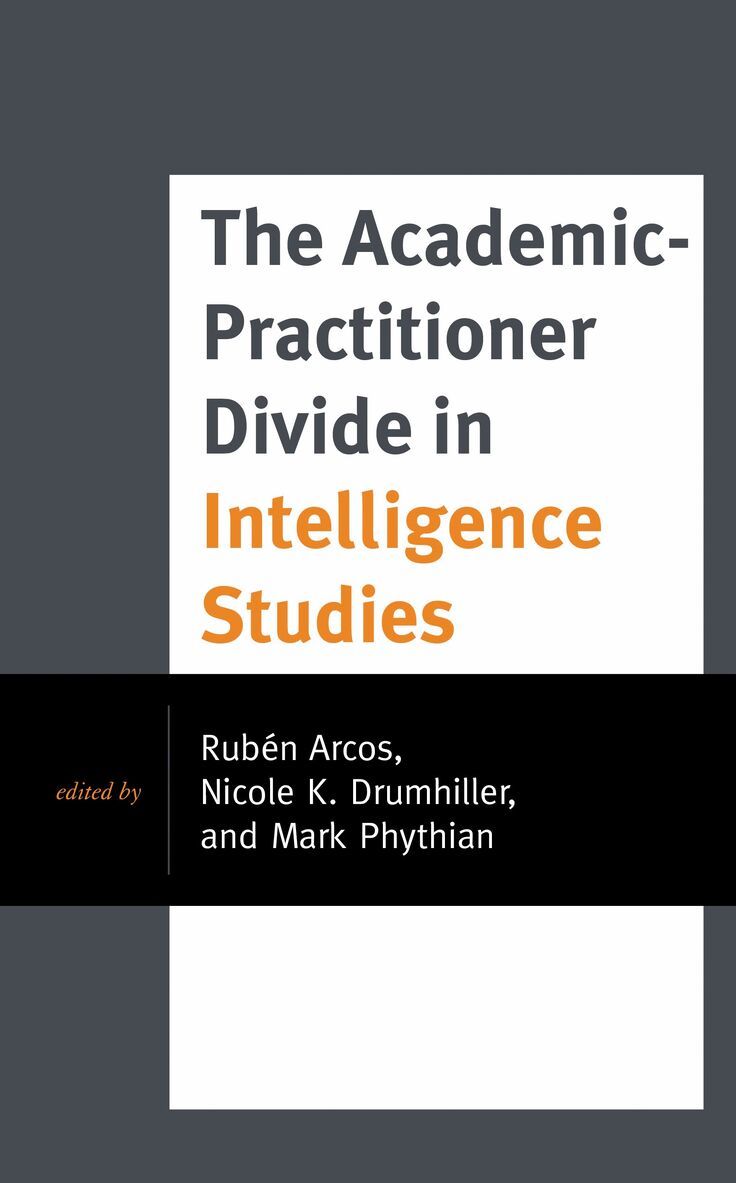
Internationally, the profession of intelligence continues to develop and expand. So too does the academic field of intelligence, both in terms of intelligence as a focus for academic research and in terms of the delivery of university courses in intelligence and related areas. To a significant extent both the profession of intelligence and those delivering intelligence education share a common aim of developing intelligence as a discipline. However, this shared interest must also navigate the existence of an academic-practitioner divide. Such a divide is far from unique to intelligence – it exists in various forms across most professions – but it is distinctive in the field of intelligence because of the centrality of secrecy to the profession of intelligence and the way in which this constitutes a barrier to understanding and openly teaching about aspects of intelligence. How can co-operation in developing the profession and academic study be maximized when faced with this divide? How can and should this divide be navigated? The Academic-Practitioner Divide in Intelligence provides a range of international approaches to, and perspectives on, these crucial questions.
518 kr
Skickas inom 10-15 vardagar
Internationally, the profession of intelligence continues to develop and expand. So too does the academic field of intelligence, both in terms of intelligence as a focus for academic research and in terms of the delivery of university courses in intelligence and related areas. To a significant extent both the profession of intelligence and those delivering intelligence education share a common aim of developing intelligence as a discipline. However, this shared interest must also navigate the existence of an academic-practitioner divide. Such a divide is far from unique to intelligence – it exists in various forms across most professions – but it is distinctive in the field of intelligence because of the centrality of secrecy to the profession of intelligence and the way in which this constitutes a barrier to understanding and openly teaching about aspects of intelligence. How can co-operation in developing the profession and academic study be maximized when faced with this divide? How can and should this divide be navigated? The Academic-Practitioner Divide in Intelligence provides a range of international approaches to, and perspectives on, these crucial questions.