Ruben Borg – författare
Visar alla böcker från författaren Ruben Borg. Handla med fri frakt och snabb leverans.
4 produkter
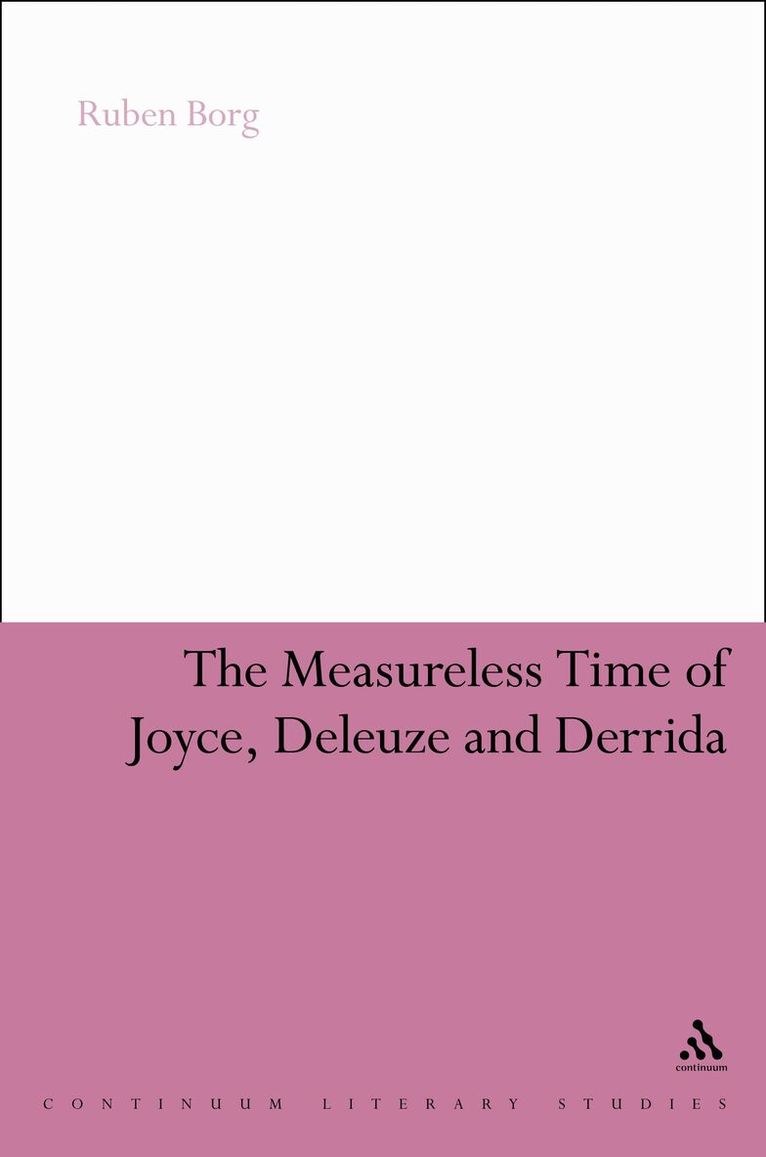
Measureless Time of Joyce, Deleuze and Derrida
Av Ruben Borg
Inbunden, 2007
2445 kr
Lägg i varukorg
By examining the relation between time and processes of figuration in James Joyce's later work, this ground-breaking study identifies his attempt to engage with the philosophical problem of describing time's characteristic movement whilst acknowledging the impossibility of reducing this movement to …
Flann O'Brien: Gallows humour
Av Ruben Borg, Paul Fagan
Inbunden, 2020
965 kr
Lägg i varukorg
The essays collected in this volume draw unprecedented critical attention to the centrality of politics in Flann O'Brien's art. The organising theme of Gallows Humour These innovative analyses explore the place of biopolitics in O'Brien's modernist experimentation and popular writing through …
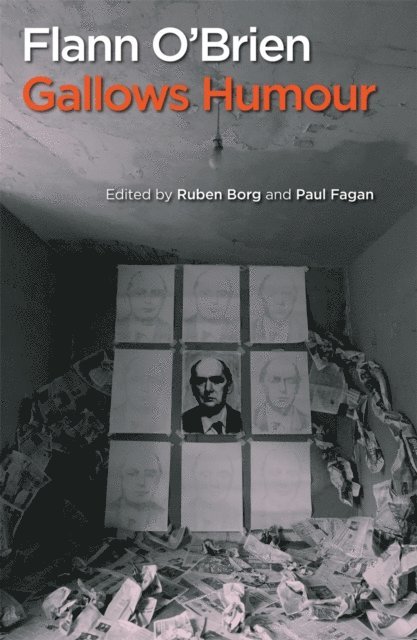
Flann O'Brien
Gallows Humour
Av Paul Fagan, Ruben Borg
E-bok, 2020
443 kr
Lägg i varukorg
The essays collected in this volume draw unprecedented critical attention to the centrality of politics in Flann O’Brien’s art. The organising theme of Gallows humour focuses these inquiries onto key encounters between the body and the law, between death and the comic spirit in the author’s canon. …
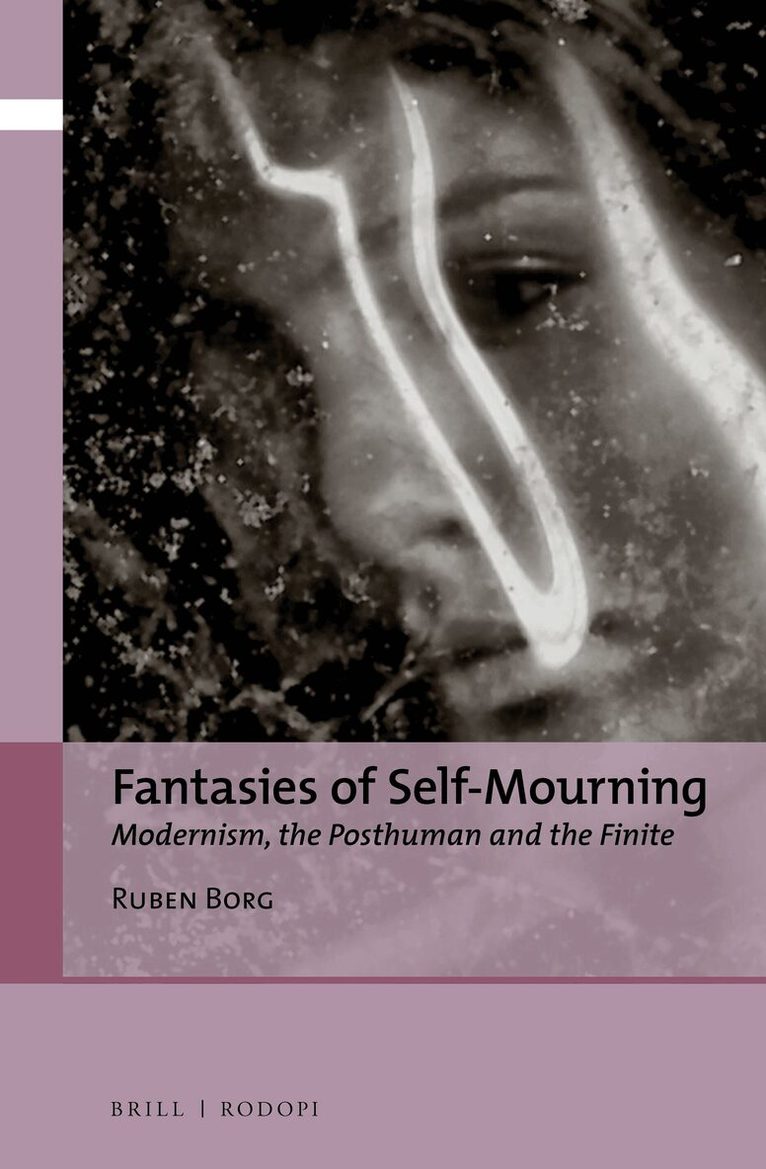
Fantasies of Self-Mourning
Modernism, the Posthuman and the Finite
Av Ruben Borg
Inbunden, 2019
2139 kr
Lägg i varukorg
In Fantasies of Self-Mourning Ruben Borg describes the formal features of a posthuman, cyborgian imaginary at work in modernism. The book’s central claim is that modernism invents the posthuman as a way to think through the contradictions of its historical moment. Borg develops a posthumanist …