Inbunden, Engelska, 2019
2 502 kr
Skickas inom 10-15 vardagar
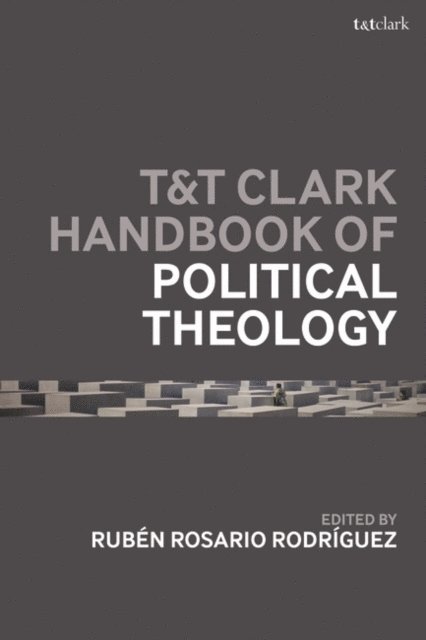
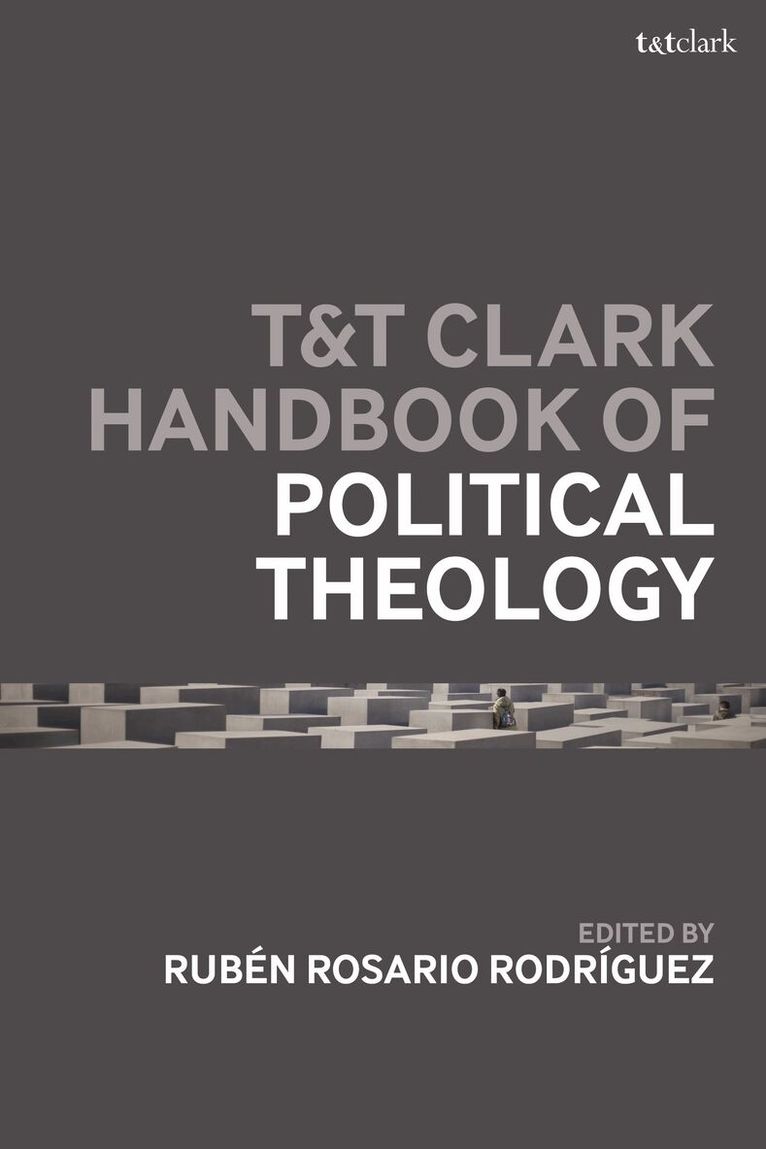
The T&T Clark Handbook of Political Theology is a comprehensive reference resource informed by serious theological scholarship in the three Abrahamic traditions. The engaging and original contributions within this collection represent the epitome of contemporary scholarship in theology, religion, philosophy, history, law, and political science, from leading scholars in their area of specialization. Comprised of five sections that illuminate the rise and relevance of political theology, this handbook begins with the birth of contemporary “political theology,” and is followed by discussions of historical resources and past examples of interaction between theology and politics from all three Abrahamic traditions. The third section surveys the leading figures and movements that have had an impact on the discipline of political theology in the twentieth and twenty-first centuries; and the contributors then build on previously discussed historical resources and methods to engage with contemporary issues and challenges, emphasizing interreligious dialogue, even while addressing concerns of relevance to a particular faith tradition. The volume concludes with three essays that look at the future of political theology from the perspective of each Abrahamic religion. Complete with select bibliographies for each topic, this companion features the most current overview of political theology that will reach a broader, global audience of students and scholars