Ruchir Sharma – författare
Visar alla böcker från författaren Ruchir Sharma. Handla med fri frakt och snabb leverans.
20 produkter
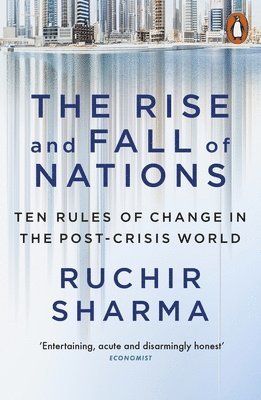
Rise and Fall of Nations
Ten Rules of Change in the Post-Crisis World
Häftad, 2017
171 kr
Lägg i varukorg
THE INTERNATIONAL BESTSELLER'Entertaining, acute and disarmingly honest' Economist'A vital guide to the new economic order' Rana Foroohar, TimeThe crisis of 2008 ended the illusion of a golden era in which many people imagined that prosperity and political calm would continue to spread …
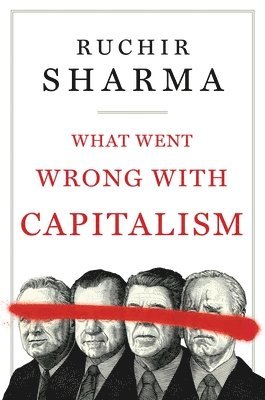
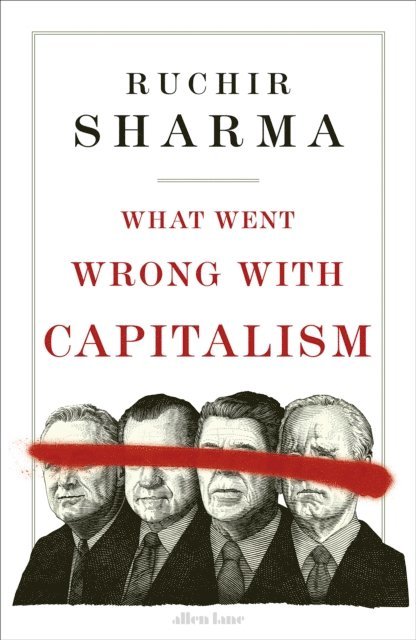
What Went Wrong With Capitalism
Häftad, 2025
163 kr
Lägg i varukorg
*A Financial Times and Wall Street Journal Book of the Year*'My book of the year' Alex Bastani, Novara Media; Tom Keene, Bloomberg'Brilliant ... deeply arresting' Lewis Goodall, The News Agents PodcastA radical examination by a leading financial analyst, commentator and investor of the ills of …
Democracy on the Road
Inbunden, 2019
271 kr
Lägg i varukorg
On the eve of a landmark general election, Ruchir Sharma offers an unrivalled portrait of how India and its democracy work, drawn from his two decades on the road chasing election campaigns across every major state, travelling the equivalent of a lap around the earth. Democracy on the Road takes …
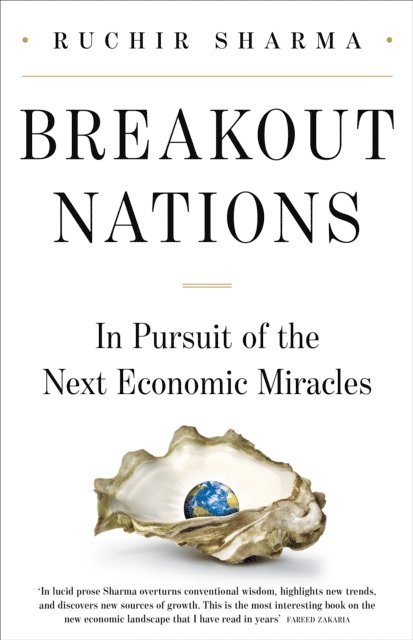
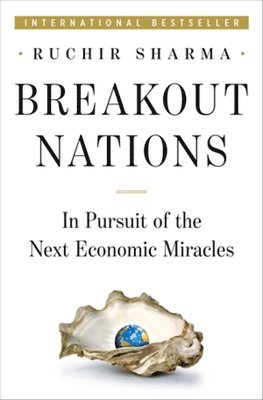
Breakout Nations
In Pursuit of the Next Economic Miracles
E-bok, 2012
108 kr
Lägg i varukorg
'The old rule of forecasting was to make as many forecasts as possible and publicise the ones you got right. The new rule is to forecast so far in the future, no one will know you got it wrong.'Ruchir Sharma does neither. In Breakout Nations he shows why the economic 'mania' of the twenty-first …
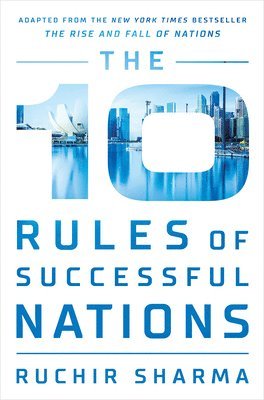
10 Rules of Successful Nations
Häftad, 2020
137 kr
Lägg i varukorg
This short primer distils Ruchir Sharma's decades of global analytic experience into ten rules for identifying nations that are poised to take off or crash.A wake-up call to economists who failed to foresee every recent crisis, including the cataclysm of 2008, 10 Rules is full of insights on signs …
10 Rules of Successful Nations
E-bok, 2020
57 kr
Lägg i varukorg
This short primer distils Ruchir Sharma's decades of global analytic experience into ten rules for identifying nations that are poised to take off or crash.A wake-up call to economists who failed to foresee every recent crisis, including the cataclysm of 2008, 10 Rules is full of insights on signs …
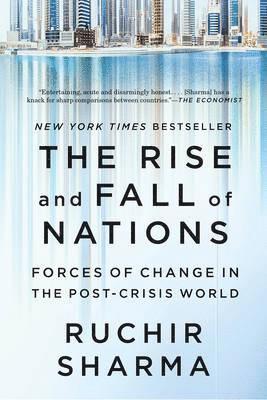
Rise and Fall of Nations
Ten Rules of Change in the Post-Crisis World
E-bok, 2016
108 kr
Lägg i varukorg
The crisis of 2008 ended the illusion of a golden era in which many people imagined that prosperity and political calm would continue to spread indefinitely. In a world now racked by slowing growth and mounting unrest, how can we discern which nations will thrive and which will fail? Shaped by …
Democracy on the Road
E-bok, 2019
170 kr
Lägg i varukorg
On the eve of a landmark general election, Ruchir Sharma offers an unrivalled portrait of how India and its democracy work, drawn from his two decades on the road chasing election campaigns across every major state, travelling the equivalent of a lap around the earth. Democracy on the Road takes …
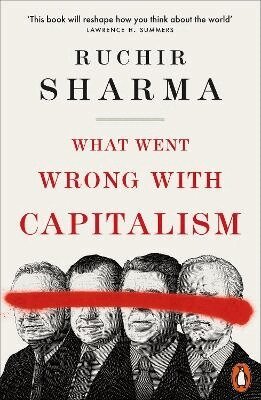
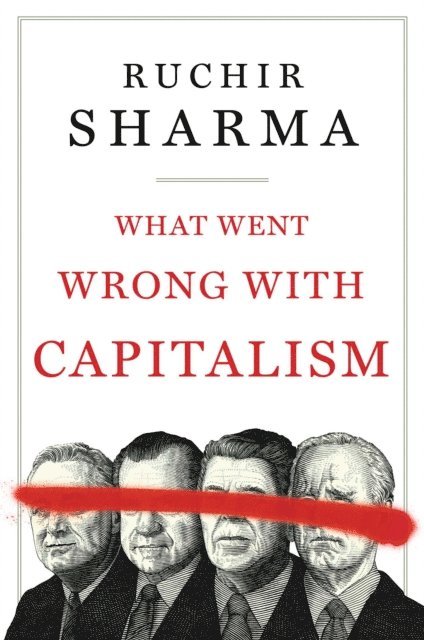
What Went Wrong With Capitalism
Inbunden, 2024
5,0 utav 5 stjärnor. Totalt antal röster: (1)
280 kr
Lägg i varukorg
*A Financial Times and Wall Street Journal Book of the Year*'My book of 2024' Aaron Bastani, Novara Media'Brilliant ... deeply arresting' Lewis Goodall, The News Agents PodcastA radical examination by a leading financial analyst, commentator and investor of the ills of capitalism and how they can …
Breakout Nations
In Pursuit of the Next Economic Miracles
Inbunden, 2012
276 kr
Lägg i varukorg
To identify the economic stars of the future we should abandon the habit of extrapolating from the recent past and lumping wildly diverse countries together. We need to remember that sustained economic success is a rare phenomenon.As an era of easy money and easy growth comes to a close, China in …
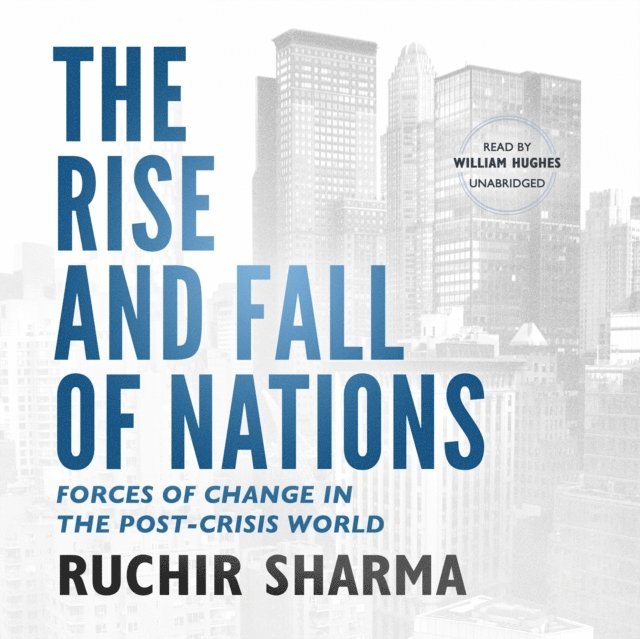
Rise and Fall of Nations
Forces of Change in the Post-Crisis World
Inbunden, 2016
3,0 utav 5 stjärnor. Totalt antal röster: (1)
300 kr
Lägg i varukorg
Shaped by his twenty-five years traveling the world, and enlivened by encounters with villagers from Rio to Beijing, tycoons, and presidents, Ruchir Sharma’s The Rise and Fall of Nations rethinks the "dismal science" of economics as a practical art. Narrowing the thousands of factors that can shape …
Breakout Nations
In Pursuit of the Next Economic Miracles
Häftad, 2013
187 kr
Lägg i varukorg
To identify the economic stars of the future we should abandon the habit of extrapolating from the recent past and lumping wildly diverse countries together. We need to remember that sustained economic success is a rare phenomenon. After years of rapid growth, the most celebrated emerging …
Rise and Fall of Nations
Forces of Change in the Post-Crisis World
Häftad, 2017
113 kr
Lägg i varukorg
Shaped by his twenty-five years traveling the world, and enlivened by encounters with villagers from Rio to Beijing, tycoons, and presidents, Ruchir Sharma’s The Rise and Fall of Nations rethinks the "dismal science" of economics as a practical art. Narrowing the thousands of factors that can shape …
10 Rules of Successful Nations
Inbunden, 2020
252 kr
Lägg i varukorg
A wake-up call to economists who failed to foresee every recent crisis, including the cataclysm of 2008, The 10 Rules of Successful Nations is a slim primer full of pioneering insights on the political, economic, and social habits of successful nations.Distilled from Sharma’s quarter century …
Rise and Fall of Nations
Forces of Change in the Post-crisis World
Ljudbok, 2016
359 kr
Lägg i varukorg
This pioneering work demystifies the drivers behind political, economic, and social change. Shaped by his twenty-five years traveling the world and enlivened by encounters with tycoons, presidents, and villagers from Rio to Beijing, Ruchir Sharma’s The Rise and Fall of Nations rethinks the “dismal …
What Went Wrong with Capitalism
E-bok, 2024
196 kr
Lägg i varukorg
Named a Best Book of 2024 by The Wall Street Journal and Financial Times An “eye-opening” ( The New York Times ), “absolutely fascinating” (Fareed Zakaria, CNN host and commentator) look at a how a century of expanding government has distorted financial markets, stoked massive inequality, and …
What Went Wrong with Capitalism
Ljudbok, 2024
371 kr
Lägg i varukorg
An “eye-opening” ( The New York Times ), “absolutely fascinating” (Fareed Zakaria, CNN host and commentator) look at a how a century of expanding government has distorted financial markets, stoked massive inequality, and soaked America in debt. Capitalism didn’t fail, it was ruined… What went wrong …
What Went Wrong With Capitalism
E-bok, 2024
125 kr
Lägg i varukorg
*A Financial Times and Wall Street Journal Book of the Year*'My book of the year' Alex Bastani, Novara Media; Tom Keene, Bloomberg'Brilliant ... deeply arresting' Lewis Goodall, The News Agents PodcastA radical examination by a leading financial analyst, commentator and investor of the ills of …