Rudolf Moos – författare
Visar alla böcker från författaren Rudolf Moos. Handla med fri frakt och snabb leverans.
11 produkter
11 produkter
Inbunden, Engelska, 1986
1 680 kr
Skickas inom 10-15 vardagar
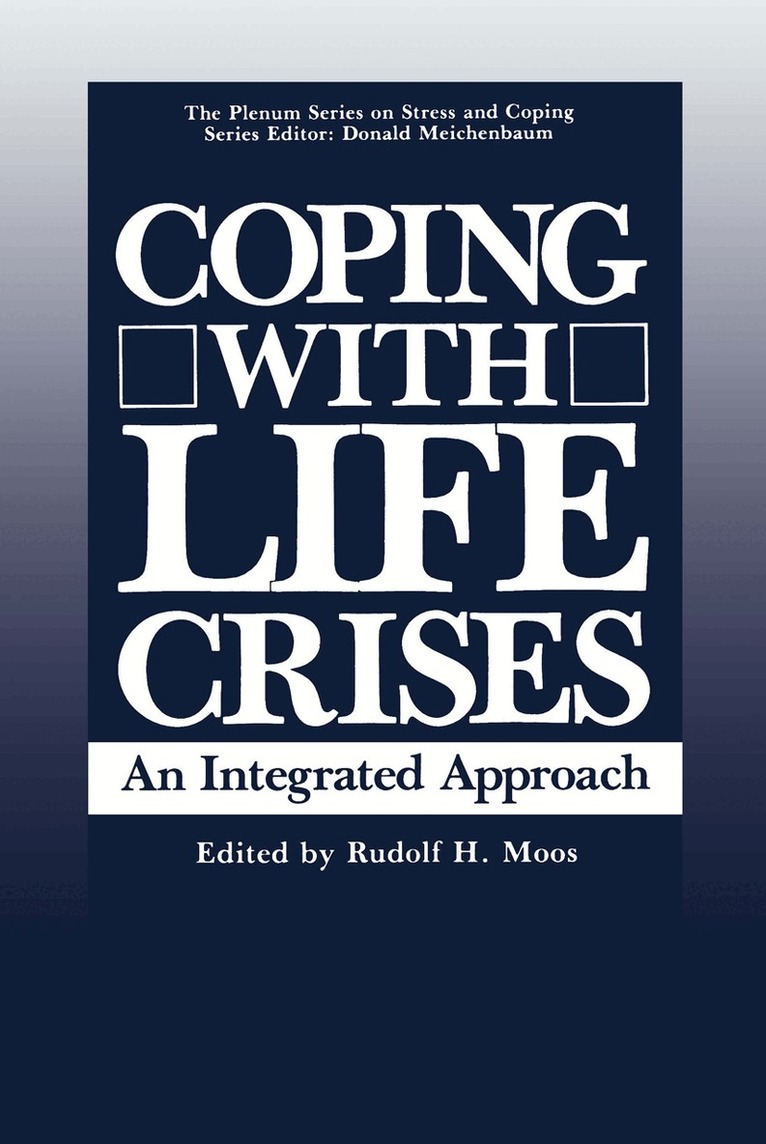
This book examines new developments in the area of human competence and coping behavior. It sets forth a conceptual framework that considers the interplay between environmental contexts and personal resources and their impact on how indi viduals cope with life transitions and crises. The selections cover the tasks confronted in varied life crises and describe the coping strategies employed in managing them. The material identifies the long-term effects of such life events as divorce and bereave ment as well as the way in which these stressors can promote personal growth and maturity. The book contains a broad selec tion of recent literature on coping and adaptation, integrative commentaries that provide the background for each of the areas as well as conceptual linkages among them, and an introductory overview that presents a general perspective on human compe tence and coping. Illustrative case examples are included. The first part of the book is organized chronologically ac cording to developmental life transitions confronted by many people-from the childhood years through adolescence, career choice and parenthood, divorce and remarriage, middle age and retirement, and death and bereavement. The second part covers unusual life crises and other hazards that typically involve ex treme stress such as man-made and natural disasters and terrorism. The book highlights effective coping behavior among healthy individuals rather than psychological breakdown and psychiatric symptoms. The emphasis is on successful adaptation, the ability to cope with life transitions and crises, and the process by which such ix x PREFACf. ".
Häftad, Engelska, 1986
1 680 kr
Skickas inom 10-15 vardagar
This book examines new developments in the area of human competence and coping behavior. It sets forth a conceptual framework that considers the interplay between environmental contexts and personal resources and their impact on how indi viduals cope with life transitions and crises. The selections cover the tasks confronted in varied life crises and describe the coping strategies employed in managing them. The material identifies the long-term effects of such life events as divorce and bereave ment as well as the way in which these stressors can promote personal growth and maturity. The book contains a broad selec tion of recent literature on coping and adaptation, integrative commentaries that provide the background for each of the areas as well as conceptual linkages among them, and an introductory overview that presents a general perspective on human compe tence and coping. Illustrative case examples are included. The first part of the book is organized chronologically ac cording to developmental life transitions confronted by many people-from the childhood years through adolescence, career choice and parenthood, divorce and remarriage, middle age and retirement, and death and bereavement. The second part covers unusual life crises and other hazards that typically involve ex treme stress such as man-made and natural disasters and terrorism. The book highlights effective coping behavior among healthy individuals rather than psychological breakdown and psychiatric symptoms. The emphasis is on successful adaptation, the ability to cope with life transitions and crises, and the process by which such ix x PREFACf. ".
Häftad, Engelska, 2010
243 kr
Skickas inom 5-8 vardagar
Inbunden, Engelska, 2010
388 kr
Skickas inom 5-8 vardagar
Häftad, Engelska, 2010
243 kr
Skickas inom 5-8 vardagar
Inbunden, Engelska, 2010
388 kr
Skickas inom 5-8 vardagar
E-bok
PDF, Engelska, 2012708 kr
Läs direkt efter köp
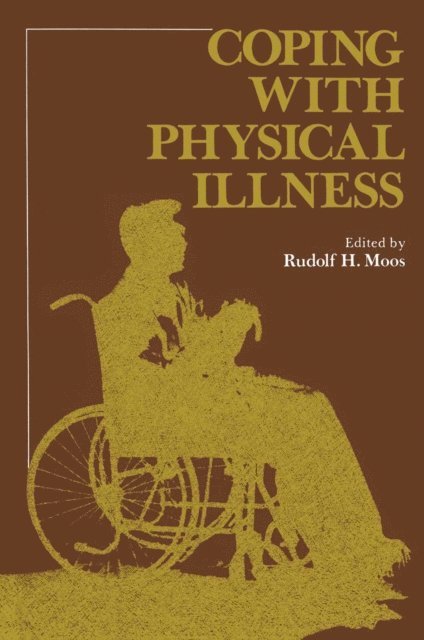
This book discusses how human beings cope with serious physical ill ness and injury. A conceptual model for understanding the process of coping with the crisis of illness is provided, and basic adaptive tasks and types of coping skills are identified. The major portion of the book is organized around various types of physical illness. These physical illnesses, which almost all people face either in themselves or their family members, raise common relevant coping issues. The last few sections cover "the crisis of treatment," emphasizing the importance of unusual hospital environments and radical new medical treatments, of stresses on professional staff, and of issues related to death and the fear of dying. The material highlights the fact that people can successfully cope with life crises such as major ill ness and injury, rather than the fact that severe symptoms and/or breakdowns sometimes occur. The importance of support from professional care-givers, such as physicians, nurses, and social workers, and from family, friends, and other sources of help in the community, is emphasized. Many of the selections include case examples which serve to illustrate the material. Coping with Physical Illness has been broadly conceived to meet the needs of a diverse audience. There is substantial information about how human beings cope with illness and physical disability, but this material has never been collected in one place.
Häftad, Engelska, 2012
565 kr
Skickas inom 10-15 vardagar
This book discusses how human beings cope with serious physical ill ness and injury. A conceptual model for understanding the process of coping with the crisis of illness is provided, and basic adaptive tasks and types of coping skills are identified.
E-bok
PDF, Engelska, 2012708 kr
Läs direkt efter köp
This book provides new ideas about how patients and their fami lies cope with serious health crises. Biomedical knowledge has expanded abruptly in the past decade during which time diag nostic and treatment procedures have become unusually specific and effective. Similarly, important advances have taken place in our understanding of the central role of psychosocial factors in health and illness. Recent trends have sparked the formulation of useful concepts of coping skills and social resources and have empha sized the value of an active assertive role for patients in the pro cess of obtaining health care. The emergence of subspecialties such as behavioral medicine and health psychology has stimulated renewed interest in these areas. Moreover, the growth of holistic medicine and a biopsychosocial orientation highlights the contri bution of a psychosocial perspective in an integrated framework for providing health care. To cover these diverse trends, I offer a unified conceptual approach for understanding the process of coping with the crisis of physical illness and identifying the underlying adaptive tasks and domains of coping skills involved in this process. The first half of the book covers coping with selected health crises, such as birth defects and perinatal death, childhood and adult cancer, and chronic physical disabilities.
Häftad, Engelska, 2012
565 kr
Skickas inom 10-15 vardagar
This book provides new ideas about how patients and their fami lies cope with serious health crises. Recent trends have sparked the formulation of useful concepts of coping skills and social resources and have empha sized the value of an active assertive role for patients in the pro cess of obtaining health care.
E-bok
PDF, Engelska, 20132 036 kr
Läs direkt efter köp
This book examines new developments in the area of human competence and coping behavior. It sets forth a conceptual framework that considers the interplay between environmental contexts and personal resources and their impact on how indi viduals cope with life transitions and crises. The selections cover the tasks confronted in varied life crises and describe the coping strategies employed in managing them. The material identifies the long-term effects of such life events as divorce and bereave ment as well as the way in which these stressors can promote personal growth and maturity. The book contains a broad selec tion of recent literature on coping and adaptation, integrative commentaries that provide the background for each of the areas as well as conceptual linkages among them, and an introductory overview that presents a general perspective on human compe tence and coping. Illustrative case examples are included. The first part of the book is organized chronologically ac cording to developmental life transitions confronted by many people-from the childhood years through adolescence, career choice and parenthood, divorce and remarriage, middle age and retirement, and death and bereavement. The second part covers unusual life crises and other hazards that typically involve ex treme stress such as man-made and natural disasters and terrorism. The book highlights effective coping behavior among healthy individuals rather than psychological breakdown and psychiatric symptoms. The emphasis is on successful adaptation, the ability to cope with life transitions and crises, and the process by which such ix x PREFACf. ".