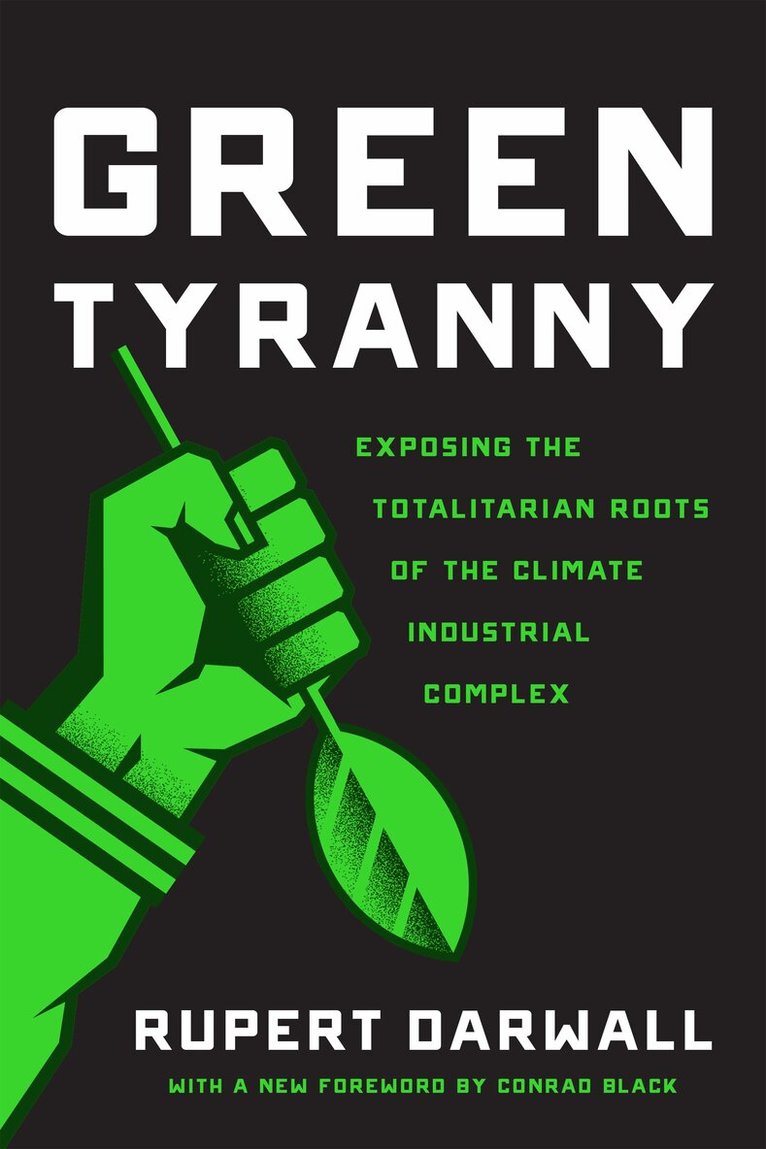
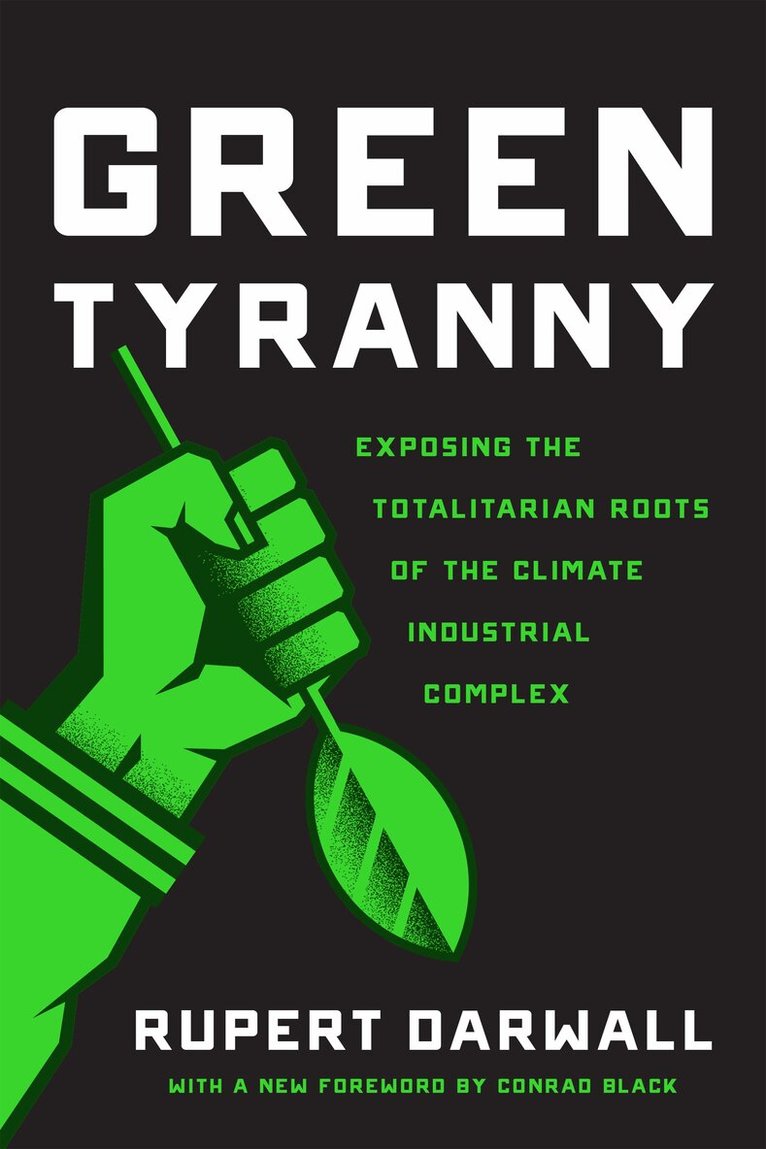
Climate change was political long before Al Gore first started talking about it. In the 1970s, the Swedish Social Democrats used global warming to get political support for building a string of nuclear power stations. It was the second phase of their war on coal, which began with the acid rain scare and the first big UN environment conference in Stockholm in 1969. Acid rain swept all before it. America held out for as long as Ronald Reagan was in the White House, but capitulated under his successor. Like global warming, acid rain had the vocal support of the scientific establishment, but the consensus science collapsed just as Congress was passing acid rain cap-and-trade legislation. Rather than tell legislators and the nation the truth, the EPA attacked a lead scientist and suppressed the federal report showing that the scientific case for action on curbing power station emissions was baseless. Ostensibly neutral in the Cold War, Sweden had a secret military alliance with Washington. A hero of the international Left, Sweden’s Olof Palme used environmentalism to maintain a precarious balance between East and West. Thus Stockholm was the conduit for the KGB-inspired nuclear winter scare. The bait was taken by Carl Sagan and leading scientists, who tried to undermine Ronald Reagan’s nuclear strategy and acted as propaganda tools to end the Cold War on Moscow’s terms. Nuclear energy was to have been the solution to global warming. It didn’t turn out that way, most of all thanks to Germany. Instead America and the world are following Germany’s lead in embracing wind and solar. German obsession with renewable energy originates deep within its culture. Few know today that the Nazis were the first political party to champion wind power, Hitler calling wind the energy of the future. Post-1945 West Germany appeared normal, but anti-nuclear protests in the 1970s led to the fusion of extreme Left and Right and the birth of the Greens in 1980. Their rise changed Germany, then Europe and now the world. Radical environmentalism became mainstream. It demands more than the rejection of the abundant hydrocarbon energy that fuels American greatness. It requires the suppression of dissent.
Rupert Darwall’s Green Tyranny traces the alarming origins of the green agenda, revealing how environmental scares have been deployed by our global rivals as a political instrument to contest American power around the world. Drawing on extensive historical and policy analysis, this timely and provocative book offers a lucid history of environmental alarmism and failed policies, explaining how “scientific consensus” is manufactured and abused by politicians with duplicitous motives and totalitarian tendencies.
In The Age of Error and the West’s Undoing, Rupert Darwall examines the fundamental incompatibility between Western elites’ obsession with achieving net zero emissions to avoid allegedly catastrophic climate change, and the West’s capacity to safely navigate a world riven by geopolitical tensions, the increasing use of hard power, and the rise of China as a great power to rival the United States.The trauma of the 2008 financial crisis led Western democracies to morph into technocracies, and climate policy became therapy for elites. Elected politicians lost legitimacy and sought to regain political authority by elevating experts to co-govern alongside them: central bankers, who failed to revive stagnant economies with ultra-low interest rates; public health experts, who gave politicians cover to impose draconian lockdowns during the COVID pandemic; and climate scientists, who pushed economically disastrous and socially divisive net zero energy policies while China and the Global South powered ahead. Dependence on experts as purveyors of government-approved truth led to widespread censorship during the pandemic, the covering up of the origins of the COVID virus, and muzzling dissent on climate change.In The Age of Error and the West’s Undoing, Darwall takes the reader from 2006—the threshold of the age of error—to Russia’s invasion of Ukraine in 2022 and the brutal return of geopolitics. He concludes by examining the West’s path forward: Will the age of error be followed by an age of renewed realism? Or will it beget dissolution and disintegration to earn the epitaph: “The West’s undoing was its own doing”?