Rupesh Chikhale – författare
Visar alla böcker från författaren Rupesh Chikhale. Handla med fri frakt och snabb leverans.
4 produkter
4 produkter
Häftad, Engelska, 2025
2 034 kr
Skickas inom 10-15 vardagar
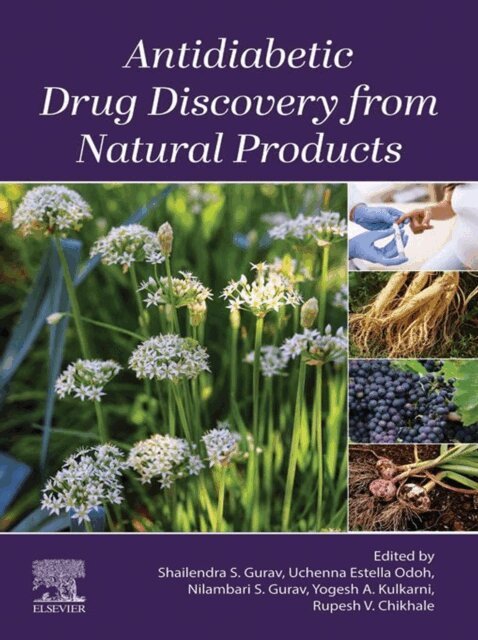
Antidiabetic Drug Discovery from Natural Products provides up-to-date and in-depth information, practical understanding, and guidance in a comprehensive, systematic and easy-to-understand manner to scientists, researchers, and graduate students on important and emerging biochemical topics related to current antidiabetic drug discovery research. This book analyzes and studies natural active substances and their medicinal chemistry in preventing and treating diabetes and its complications. It covers a wide range of critical issues to assist chemists in the discovery and development of safer, more affordable treatments, from identifying promising leads from medicinal plants to the extraction and synthesis of bioactive compounds.Following an introduction to bioactive chemical compounds from plants with antidiabetic effects, the book describes the discovery and extraction of antidiabetic drugs and antioxidants from natural sources. It also examines antidiabetic plants before delving deeper into the chemistry behind major medicinal substances and their derivatives like Mangiferin and Resveratrol, discussing both current and prospective uses.Covers the history and current trends in antidiabetic natural product researchFocuses on each class of natural products and their therapeutic effects on diabetesAnalyzes the specific roles of different plant metabolites in the treatment of diabetes
E-bok
Engelska, 20252 500 kr
Läs direkt efter köp
Antidiabetic Drug Discovery from Natural Products provides up-to-date and in-depth information, practical understanding, and guidance in a comprehensive, systematic and easy-to-understand manner to scientists, researchers, and graduate students on important and emerging biochemical topics related to current antidiabetic drug discovery research. This book analyzes and studies natural active substances and their medicinal chemistry in preventing and treating diabetes and its complications. It covers a wide range of critical issues to assist chemists in the discovery and development of safer, more affordable treatments, from identifying promising leads from medicinal plants to the extraction and synthesis of bioactive compounds.Following an introduction to bioactive chemical compounds from plants with antidiabetic effects, the book describes the discovery and extraction of antidiabetic drugs and antioxidants from natural sources. It also examines antidiabetic plants before delving deeper into the chemistry behind major medicinal substances and their derivatives like Mangiferin and Resveratrol, discussing both current and prospective uses.- Covers the history and current trends in antidiabetic natural product research- Focuses on each class of natural products and their therapeutic effects on diabetes- Analyzes the specific roles of different plant metabolites in the treatment of diabetes
Inbunden, Engelska, 2025
1 998 kr
Skickas inom 10-15 vardagar
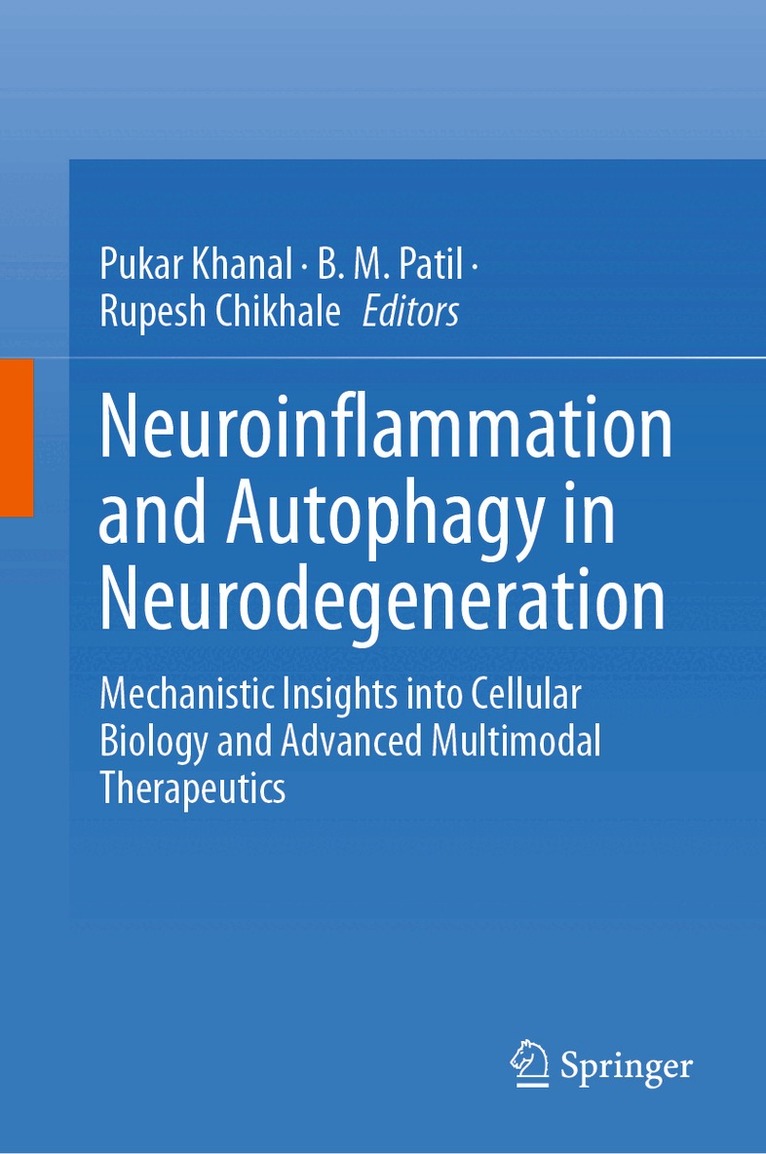
This book explores the complex interplay between neuroinflammation and autophagy, offering a comprehensive understanding of how these processes drive the development and progression of neurodegenerative diseases. It establishes how chronic inflammation not only disrupts autophagy but also creates feedback loops that exacerbate cellular dysfunction and accelerate neurodegeneration.The book’s core focus is on presenting biological processes at the cellular level, such as neuronal function, glial activation, and protein aggregation in multiple metabolic brain diseases. It discusses key pathways such as mTOR, AMPK, and inflammasomes that directly affect neuronal function. It contains dedicated chapters on Alzheimer’s, Parkinson’s, ALS, Huntington’s, and Multiple Sclerosis, offering disease-specific insights and tailored discussions for each condition. The book complements these mechanistic insights with therapeutic strategies, lifestyle interventions, and emerging trends in biomarkers and personalized medicine. It highlights emerging treatments, repurposed anti-inflammatory drugs, and the neuroprotective property of diet and microbiome. Thus, this book establishes a multidisciplinary perspective combining insights from neuroscience, molecular biology, immunology, and pathology to provide a well-rounded understanding of neurodegenerative mechanisms and therapies. The emphasis on dual-pathway modulation and the holistic perspective in the book makes it an essential resource for researchers, clinicians, and healthcare professionals in neurology and neurobiology who seek a comprehensive understanding of neurodegenerative disease mechanisms. Graduate and advanced undergraduate students in neuroscience will also benefit from the detailed exploration of cellular pathways and therapeutic strategies.
E-bok
Engelska, 20252 599 kr
Läs direkt efter köp
This book explores the complex interplay between neuroinflammation and autophagy, offering a comprehensive understanding of how these processes drive the development and progression of neurodegenerative diseases. It establishes how chronic inflammation not only disrupts autophagy but also creates feedback loops that exacerbate cellular dysfunction and accelerate neurodegeneration.The book’s core focus is on presenting biological processes at the cellular level, such as neuronal function, glial activation, and protein aggregation in multiple metabolic brain diseases. It discusses key pathways such as mTOR, AMPK, and inflammasomes that directly affect neuronal function. It contains dedicated chapters on Alzheimer’s, Parkinson’s, ALS, Huntington’s, and Multiple Sclerosis, offering disease-specific insights and tailored discussions for each condition. The book complements these mechanistic insights with therapeutic strategies, lifestyle interventions, and emerging trends in biomarkers and personalized medicine. It highlights emerging treatments, repurposed anti-inflammatory drugs, and the neuroprotective property of diet and microbiome. Thus, this book establishes a multidisciplinary perspective combining insights from neuroscience, molecular biology, immunology, and pathology to provide a well-rounded understanding of neurodegenerative mechanisms and therapies. The emphasis on dual-pathway modulation and the holistic perspective in the book makes it an essential resource for researchers, clinicians, and healthcare professionals in neurology and neurobiology who seek a comprehensive understanding of neurodegenerative disease mechanisms. Graduate and advanced undergraduate students in neuroscience will also benefit from the detailed exploration of cellular pathways and therapeutic strategies.