Russell Hartenberger – författare
Visar alla böcker från författaren Russell Hartenberger. Handla med fri frakt och snabb leverans.
10 produkter
10 produkter
Häftad, Engelska, 2020
381 kr
Skickas inom 7-10 vardagar
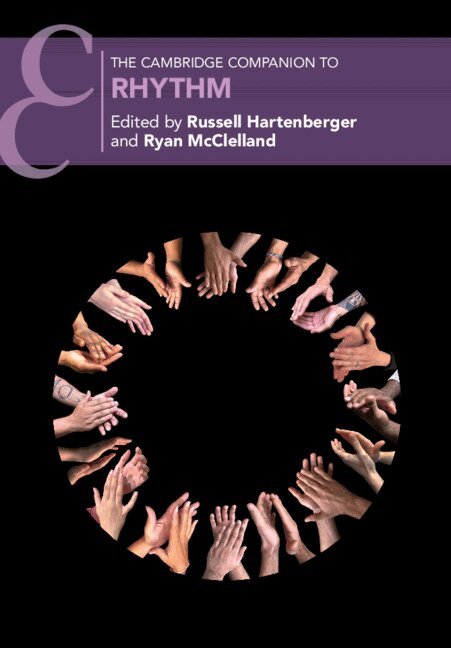
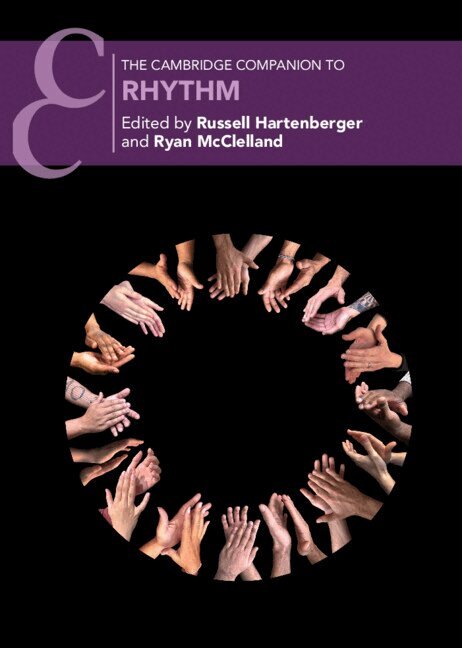
One of the defining aspects of music is that it exists in time. From clapping to dancing, toe-tapping to head-nodding, the responses of musicians and listeners alike capture the immediacy and significance of the musical beat. This Companion explores the richness of musical time through a variety of perspectives, surveying influential writings on the topic, incorporating the perspectives of listeners, analysts, composers, and performers, and considering the subject across a range of genres and cultures. It includes chapters on music perception, visualizing rhythmic notation, composers' writings on rhythm, rhythm in jazz, rock, and hip-hop. Taking a global approach, chapters also explore rhythmic styles in the music of India, Africa, Bali, Latin America and the Caribbean, and Indigenous music of North and South America. Readers will gain an understanding of musicians' approaches to performing complex rhythms of contemporary music, and revealing insights into the likely future of rhythm in music.
Inbunden, Engelska, 2016
1 140 kr
Skickas inom 7-10 vardagar
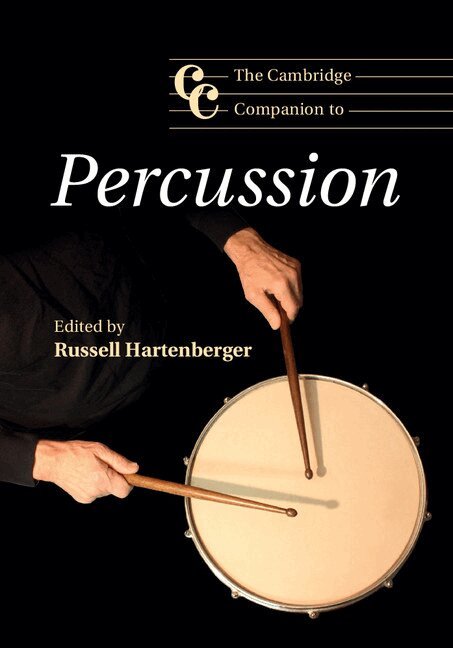
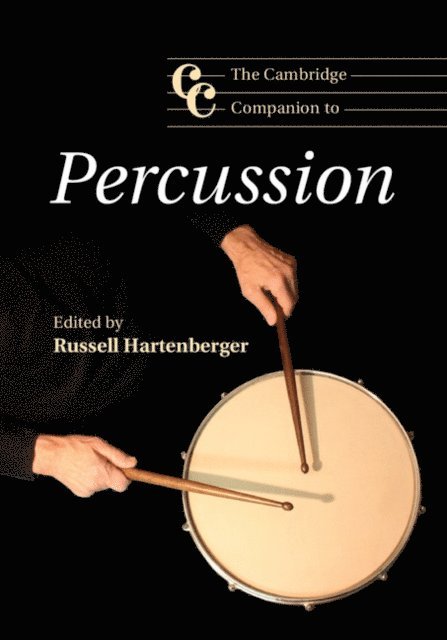
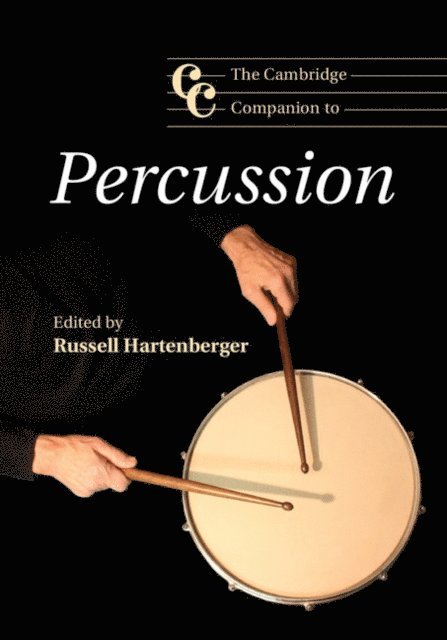
Percussion music is both the oldest and most recent of musical genres and exists in diverse forms throughout the world. This Companion explores percussion and rhythm from the perspectives of performers, composers, conductors, instrument builders, scholars, and cognitive scientists. Topics covered include percussion in symphony orchestras from the nineteenth century to today and the development of percussion instruments in chapters on the marimba revolution, the percussion industry, drum machines, and the effect of acoustics. Chapters also investigate drum set playing and the influences of world music on Western percussion, and outline the roles of percussionists as composers, conductors, soloists, chamber musicians, and theatrical performers. Developments in scientific research are explored in chapters on the perception of sound and the evolution of musical rhythm. This book will be a valuable resource for students, percussionists, and all those who want a deeper understanding of percussion music and rhythm.
Inbunden, Engelska, 2016
1 277 kr
Skickas inom 7-10 vardagar
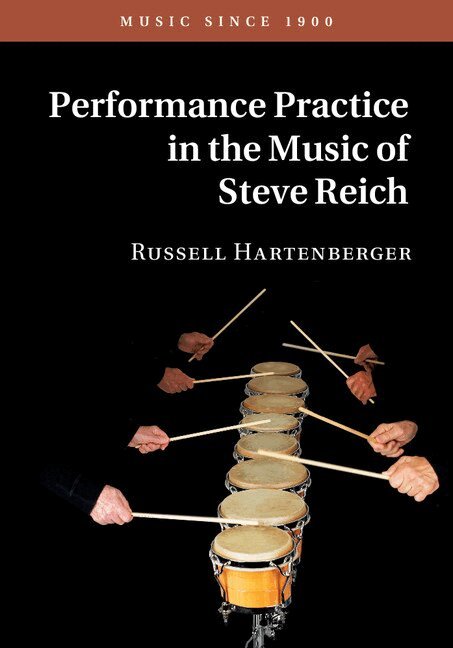
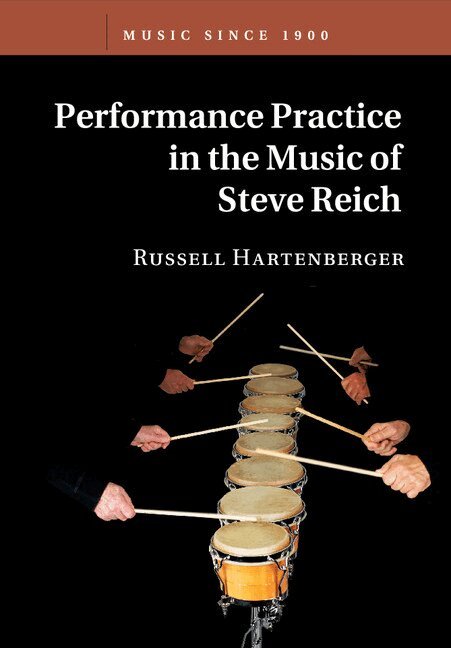
Performance Practice in the Music of Steve Reich provides a performer's perspective on Steve Reich's compositions from his iconic minimalist work, Drumming, to his masterpiece, Music for 18 Musicians. It addresses performance issues encountered by the musicians in Reich's original ensemble and the techniques they developed to bring his compositions to life. Drawing comparisons with West African drumming and other non-Western music, the book highlights ideas that are helpful in the understanding and performance of rhythm in all pulse-based music. Through conversations and interviews with the author, Reich discusses his percussion background and his thoughts about rhythm in relation to the music of Ghana, Bali, India, and jazz. He explains how he used rhythm in his early compositions, the time feel he wants in his music, the kind of performer who seems to be drawn to his music, and the way perceptual and metrical ambiguity create interest in repetitive music.
Häftad, Engelska, 2016
327 kr
Skickas inom 7-10 vardagar
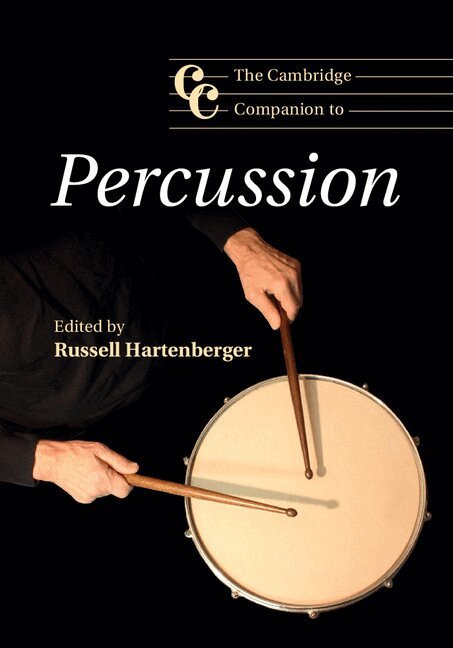
Percussion music is both the oldest and most recent of musical genres and exists in diverse forms throughout the world. This Companion explores percussion and rhythm from the perspectives of performers, composers, conductors, instrument builders, scholars, and cognitive scientists. Topics covered include percussion in symphony orchestras from the nineteenth century to today and the development of percussion instruments in chapters on the marimba revolution, the percussion industry, drum machines, and the effect of acoustics. Chapters also investigate drum set playing and the influences of world music on Western percussion, and outline the roles of percussionists as composers, conductors, soloists, chamber musicians, and theatrical performers. Developments in scientific research are explored in chapters on the perception of sound and the evolution of musical rhythm. This book will be a valuable resource for students, percussionists, and all those who want a deeper understanding of percussion music and rhythm.
Inbunden, Engelska, 2020
1 237 kr
Skickas inom 7-10 vardagar
One of the defining aspects of music is that it exists in time. From clapping to dancing, toe-tapping to head-nodding, the responses of musicians and listeners alike capture the immediacy and significance of the musical beat. This Companion explores the richness of musical time through a variety of perspectives, surveying influential writings on the topic, incorporating the perspectives of listeners, analysts, composers, and performers, and considering the subject across a range of genres and cultures. It includes chapters on music perception, visualizing rhythmic notation, composers' writings on rhythm, rhythm in jazz, rock, and hip-hop. Taking a global approach, chapters also explore rhythmic styles in the music of India, Africa, Bali, Latin America and the Caribbean, and Indigenous music of North and South America. Readers will gain an understanding of musicians' approaches to performing complex rhythms of contemporary music, and revealing insights into the likely future of rhythm in music.
E-bok
PDF, Engelska, 2020460 kr
Läs direkt efter köp
One of the defining aspects of music is that it exists in time. From clapping to dancing, toe-tapping to head-nodding, the responses of musicians and listeners alike capture the immediacy and significance of the musical beat. This Companion explores the richness of musical time through a variety of perspectives, surveying influential writings on the topic, incorporating the perspectives of listeners, analysts, composers, and performers, and considering the subject across a range of genres and cultures. It includes chapters on music perception, visualizing rhythmic notation, composers'' writings on rhythm, rhythm in jazz, rock, and hip-hop. Taking a global approach, chapters also explore rhythmic styles in the music of India, Africa, Bali, Latin America and the Caribbean, and Indigenous music of North and South America. Readers will gain an understanding of musicians'' approaches to performing complex rhythms of contemporary music, and revealing insights into the likely future of rhythm in music.
E-bok
Engelska, 2020456 kr
Läs direkt efter köp
One of the defining aspects of music is that it exists in time. From clapping to dancing, toe-tapping to head-nodding, the responses of musicians and listeners alike capture the immediacy and significance of the musical beat. This Companion explores the richness of musical time through a variety of perspectives, surveying influential writings on the topic, incorporating the perspectives of listeners, analysts, composers, and performers, and considering the subject across a range of genres and cultures. It includes chapters on music perception, visualizing rhythmic notation, composers'' writings on rhythm, rhythm in jazz, rock, and hip-hop. Taking a global approach, chapters also explore rhythmic styles in the music of India, Africa, Bali, Latin America and the Caribbean, and Indigenous music of North and South America. Readers will gain an understanding of musicians'' approaches to performing complex rhythms of contemporary music, and revealing insights into the likely future of rhythm in music.
E-bok
Engelska, 2016394 kr
Läs direkt efter köp
Percussion music is both the oldest and most recent of musical genres and exists in diverse forms throughout the world. This Companion explores percussion and rhythm from the perspectives of performers, composers, conductors, instrument builders, scholars, and cognitive scientists. Topics covered include percussion in symphony orchestras from the nineteenth century to today and the development of percussion instruments in chapters on the marimba revolution, the percussion industry, drum machines, and the effect of acoustics. Chapters also investigate drum set playing and the influences of world music on Western percussion, and outline the roles of percussionists as composers, conductors, soloists, chamber musicians, and theatrical performers. Developments in scientific research are explored in chapters on the perception of sound and the evolution of musical rhythm. This book will be a valuable resource for students, percussionists, and all those who want a deeper understanding of percussion music and rhythm.
E-bok
PDF, Engelska, 2016394 kr
Läs direkt efter köp
Percussion music is both the oldest and most recent of musical genres and exists in diverse forms throughout the world. This Companion explores percussion and rhythm from the perspectives of performers, composers, conductors, instrument builders, scholars, and cognitive scientists. Topics covered include percussion in symphony orchestras from the nineteenth century to today and the development of percussion instruments in chapters on the marimba revolution, the percussion industry, drum machines, and the effect of acoustics. Chapters also investigate drum set playing and the influences of world music on Western percussion, and outline the roles of percussionists as composers, conductors, soloists, chamber musicians, and theatrical performers. Developments in scientific research are explored in chapters on the perception of sound and the evolution of musical rhythm. This book will be a valuable resource for students, percussionists, and all those who want a deeper understanding of percussion music and rhythm.
Häftad, Engelska, 2018
462 kr
Skickas inom 7-10 vardagar
Performance Practice in the Music of Steve Reich provides a performer's perspective on Steve Reich's compositions from his iconic minimalist work, Drumming, to his masterpiece, Music for 18 Musicians. It addresses performance issues encountered by the musicians in Reich's original ensemble and the techniques they developed to bring his compositions to life. Drawing comparisons with West African drumming and other non-Western music, the book highlights ideas that are helpful in the understanding and performance of rhythm in all pulse-based music. Through conversations and interviews with the author, Reich discusses his percussion background and his thoughts about rhythm in relation to the music of Ghana, Bali, India, and jazz. He explains how he used rhythm in his early compositions, the time feel he wants in his music, the kind of performer who seems to be drawn to his music, and the way perceptual and metrical ambiguity create interest in repetitive music.