Russell Winslow - Böcker
Visar alla böcker från författaren Russell Winslow. Handla med fri frakt och snabb leverans.
3 produkter
3 produkter
1 964 kr
Skickas inom 10-15 vardagar
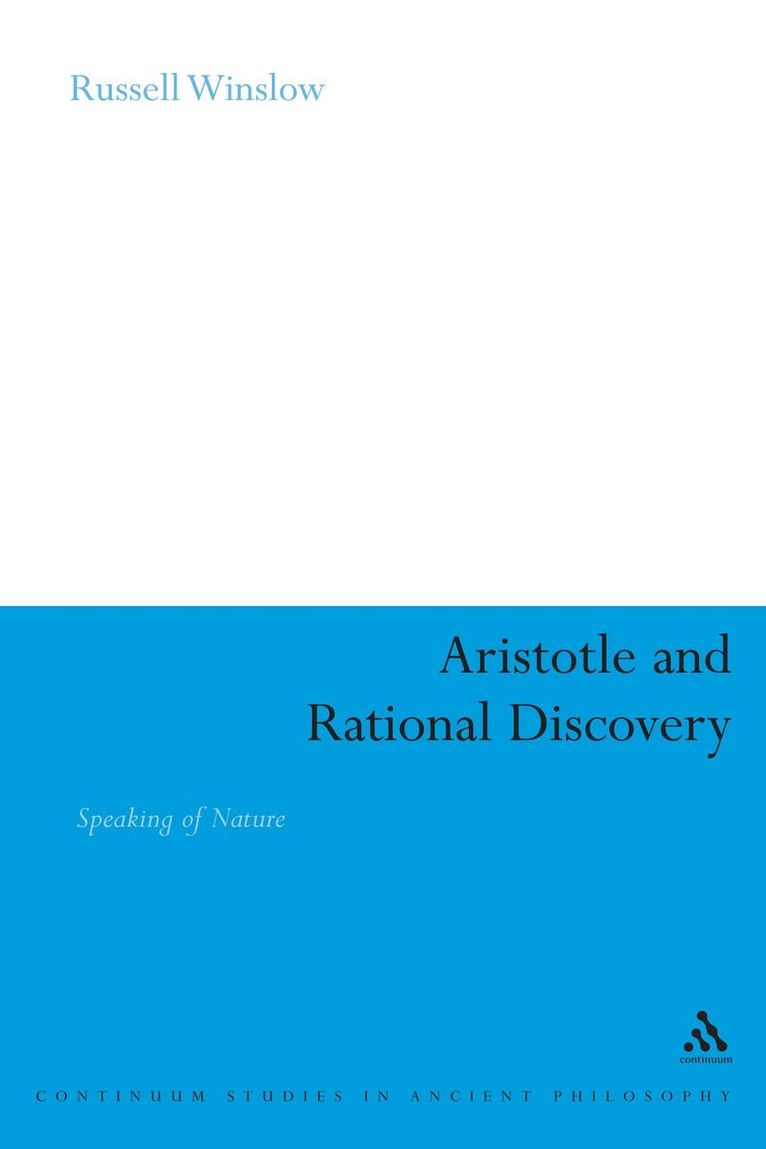
In this lively and original book, Russell Winslow pursues a new interpretation of logos in Aristotle. Rather than a reading of rationality that cleaves human beings from nature, this new interpretation suggests that, for Aristotle, consistent and dependable rational arguments reveal a deep dependency upon nature. To this end, the author shows that a rational account of a being is in fact subject to the very same principle that governs the physical motion and generation of a being under inquiry. Among the many consequences of this argument is a rejection of both of the prevailing oppositional claims that Aristotle's methodological procedure of discovery is one resting on either empirical or conceptual grounds: discovery reveals a more complex structure than can be grasped by either of these modern modes. Further, Winslow argues that this interpretation of rational discovery also contributes to the ethical debates surrounding Aristotle's work, insofar as an ethical claim is achieved through reason, but is not thereby conceived as objective.Again, the demand for agreement in ethical/political decision will be disclosed as superseding in its complexity both those accounts of ethical decision as subjective (for example, "emotivist" accounts) and those as objective ("realist" accounts).
541 kr
Skickas inom 10-15 vardagar
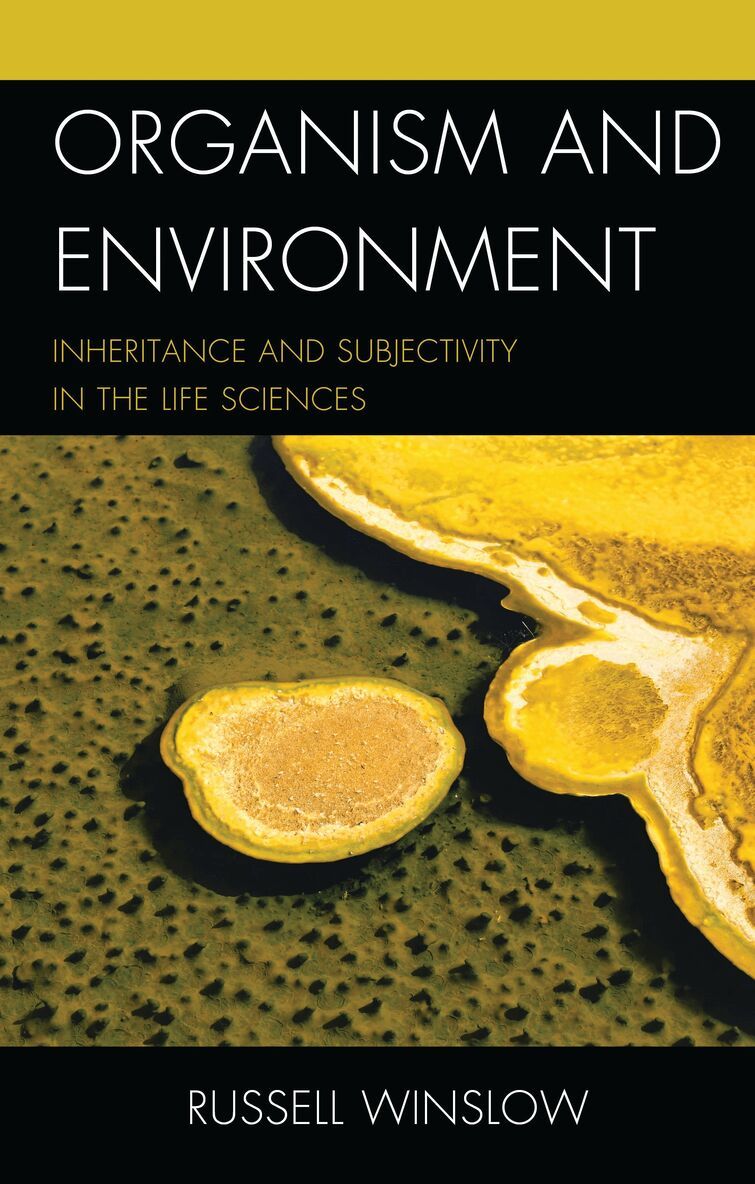
Organism and Environment performs an examination into the way the contemporary life sciences are heralding a revolution of the most basic philosophical concepts of the Western world. Analyzing recent research in microbiology and evolution theory, the present book argues that these discourses are adding their voices to a growing chorus which is announcing a disruption, if not an end, to the understanding of the order of the world articulated in humanism. What does it mean to be a living substance? Are there such things as living individuals? How are living beings free? The discourses of microbiology, the medical sciences and evolution theory are revealing a living organism that escapes the limited frame that Enlightenment humanism has traditionally used to answer these (and other) ontological questions. Appealing to the theoretical lenses provided by Michel Foucault, Hans Georg Gadamer and Gilles Deleuze, Organism and Environment offers an interpretation of the way the contemporary life sciences are giving articulation to a posthuman ontological order.
1 209 kr
Skickas inom 10-15 vardagar
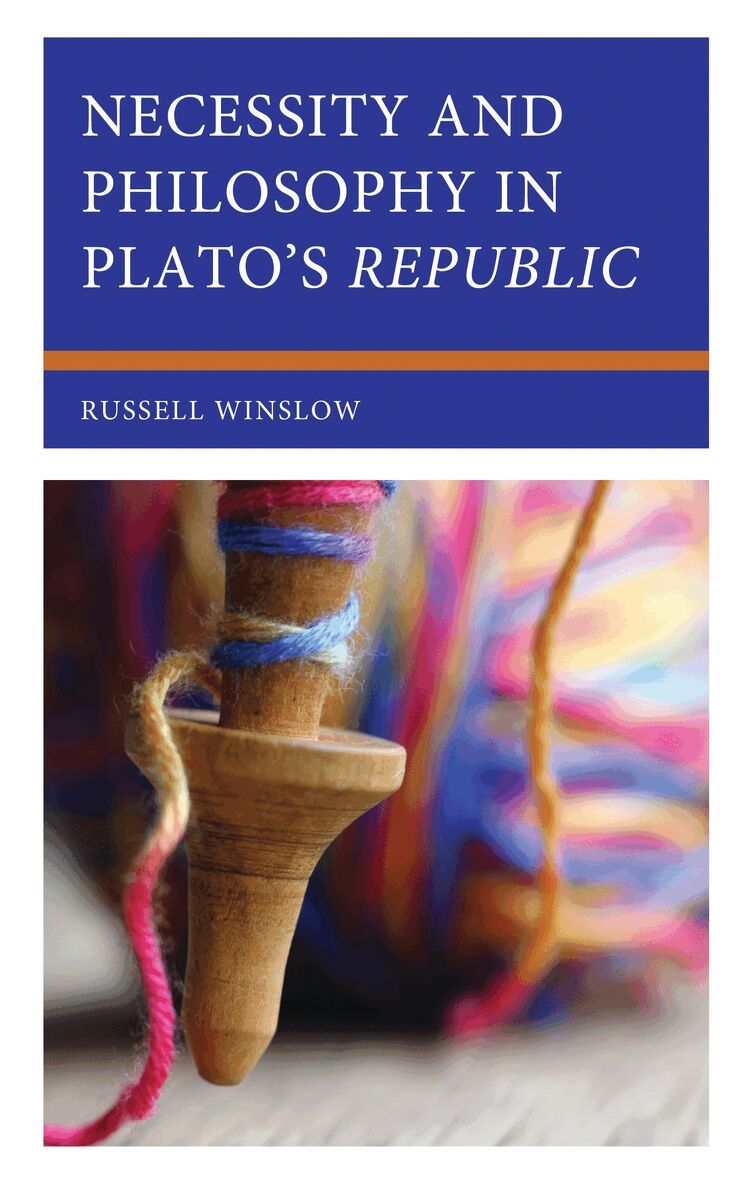
Necessity and Philosophy in Plato’s Republic offers an interpretation of the concept of necessity in what is perhaps Plato’s most read dialogue. The word “necessity” (anagke) appears hundreds of times in the text in many grammatical forms, about as often as the frequently studied term “good.” Yet, there exists little commentary on the ontological status of necessity. Russell Winslow argues that when the reader analyzes the Republic through the lens of necessity, a novel interpretation emerges. On the one hand, the concept of necessity articulated in the Republic is original, insofar as it includes phenomena not commonly attributed to necessity. Namely, necessity governs not only those motions that do not vary and cannot be otherwise, but also those that wander randomly by erotic desire and by chance. Necessity in the Republic, thus, occasions a rethinking of what this crucial concept might mean for us. On the other hand, interpreting the Republic through the lens of necessity allows a reading of Plato to develop that emphasizes the structures of finitude in human life and the limits of reason. This book argues, therefore, that philosophy remains subtended and limited by necessity in unavoidable ways.