Rutger Claassen – författare
Visar alla böcker från författaren Rutger Claassen. Handla med fri frakt och snabb leverans.
6 produkter
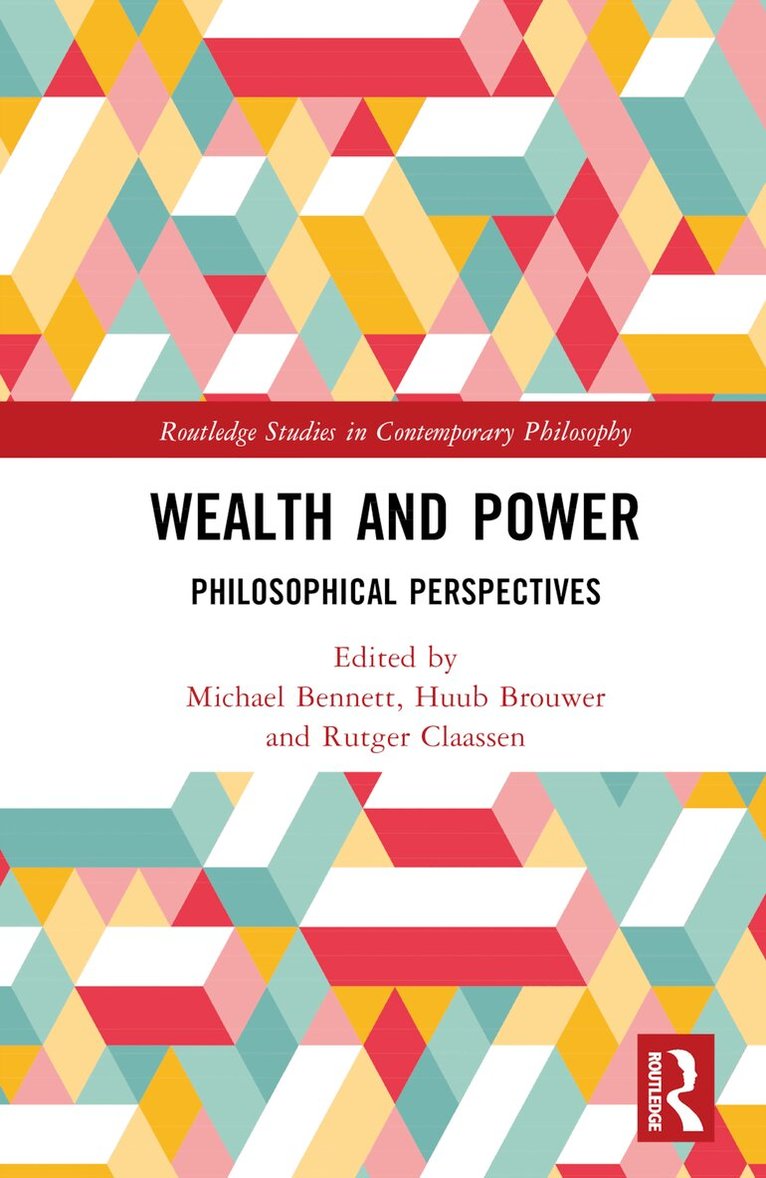
Wealth and Power
Philosophical Perspectives
Av Michael Bennett, Huub Brouwer m. fl.
Inbunden, 2022
2141 kr
Lägg i varukorg
Is political equality viable when a capitalist economy unequally distributes private property? This book examines the nexus between wealth and politics and asks how institutions and citizens should respond to it.Theories of democracy and property have often ignored the ways in which the rich …
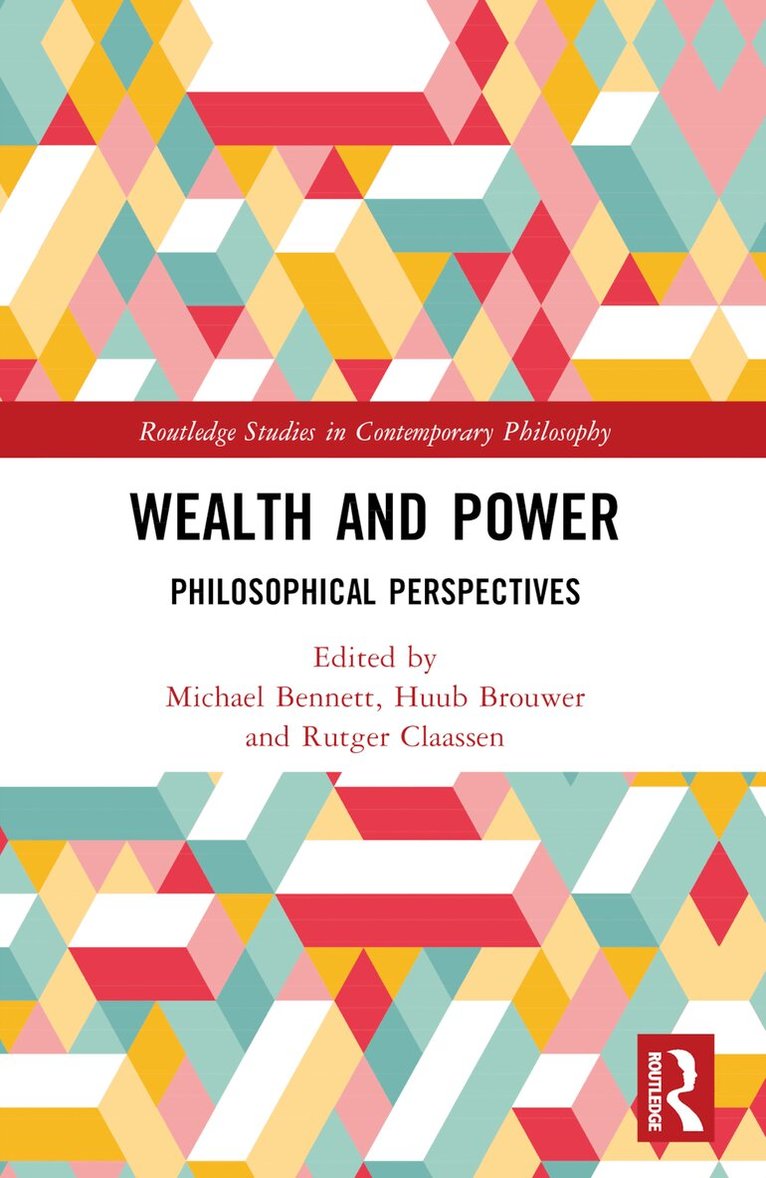
Wealth and Power
Philosophical Perspectives
Av Michael Bennett, Huub Brouwer m. fl.
Häftad, 2024
635 kr
Lägg i varukorg
Is political equality viable when a capitalist economy unequally distributes private property? This book examines the nexus between wealth and politics and asks how institutions and citizens should respond to it.Theories of democracy and property have often ignored the ways in which the rich …
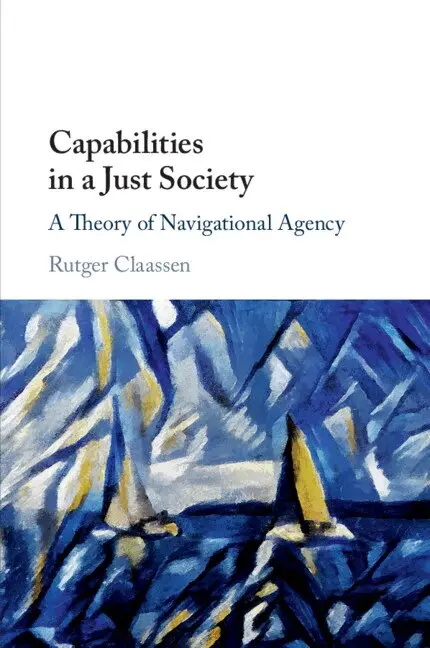
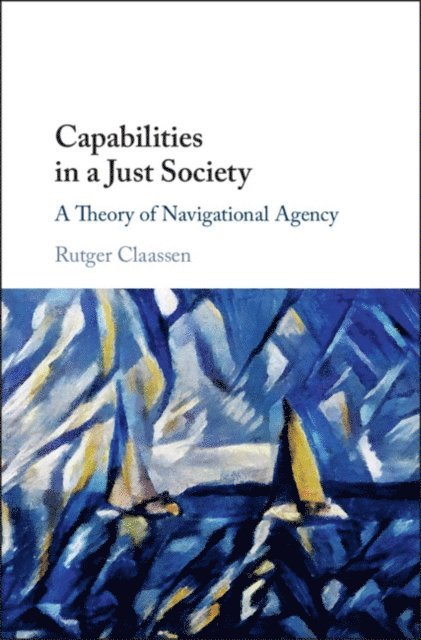
Capabilities in a Just Society
A Theory of Navigational Agency
Häftad, 2021
553 kr
Lägg i varukorg
What sort of entitlements should citizens have in a just society? In this book, Rutger Claassen sets out a theory of what he terms 'navigational agency', whereby citizens should be able to navigate freely between social practices. This shows how individuals can be at the same time free and …
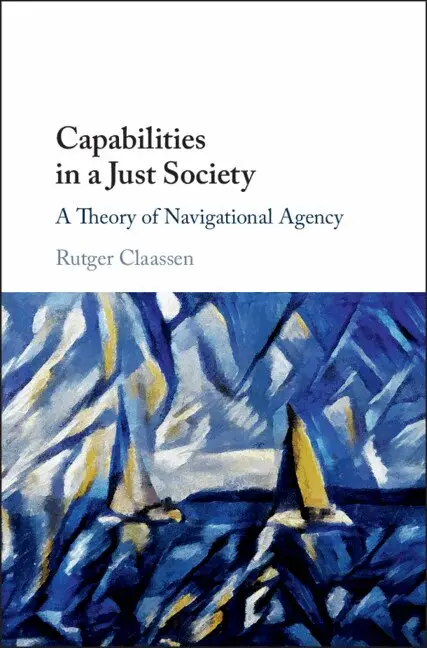
Capabilities in a Just Society
A Theory of Navigational Agency
Inbunden, 2018
1520 kr
Lägg i varukorg
What sort of entitlements should citizens have in a just society? In this book, Rutger Claassen sets out a theory of what he terms 'navigational agency', whereby citizens should be able to navigate freely between social practices. This shows how individuals can be at the same time free and …
Capabilities in a Just Society
A Theory of Navigational Agency
E-bok, 2018
538 kr
Lägg i varukorg
What sort of entitlements should citizens have in a just society? In this book, Rutger Claassen sets out a theory of what he terms ''navigational agency'', whereby citizens should be able to navigate freely between social practices. This shows how individuals can be at the same time free and …
Capabilities in a Just Society
A Theory of Navigational Agency
E-bok, 2018
538 kr
Lägg i varukorg
What sort of entitlements should citizens have in a just society? In this book, Rutger Claassen sets out a theory of what he terms ''navigational agency'', whereby citizens should be able to navigate freely between social practices. This shows how individuals can be at the same time free and …