Ruth Ennis – författare
Visar alla böcker från författaren . Handla med fri frakt och snabb leverans.
2 produkter
2 produkter
Häftad, Engelska, 2026
118 kr
Skickas
When proud mermaid Muireann flees her climate-ravaged ocean in search of hope on land, she confronts human cruelty and body-shaming as she struggles to find her true home and voice. Caught between a dying ocean and a divided world, she must grapple between the sea that made her and the surface that might break her – in this stunning verse novel that reimagines The Little Mermaid.Muireann is a mermaid – fierce, curious and proud of the body that keeps her warm beneath the waves. But life in the ocean is becoming impossible. The merfolk are at war with the human ramifications of climate change: food is scarce, and her twin sister has been killed in a mass-fishing net. With her mother lost in grief and her world falling apart, Muireann longs to escape to the surface to find some answers. But the human world isn’t the haven she hoped for. It’s colder, crueller – and here, her large body is seen not as strength, but as something to be ashamed of.In this beautiful novel-in-verse, Muireann must find her voice and fight for where she belongs – whether that be beneath the waves, or above them.
Inbunden, Engelska, 2025
836 kr
Skickas inom 3-6 vardagar
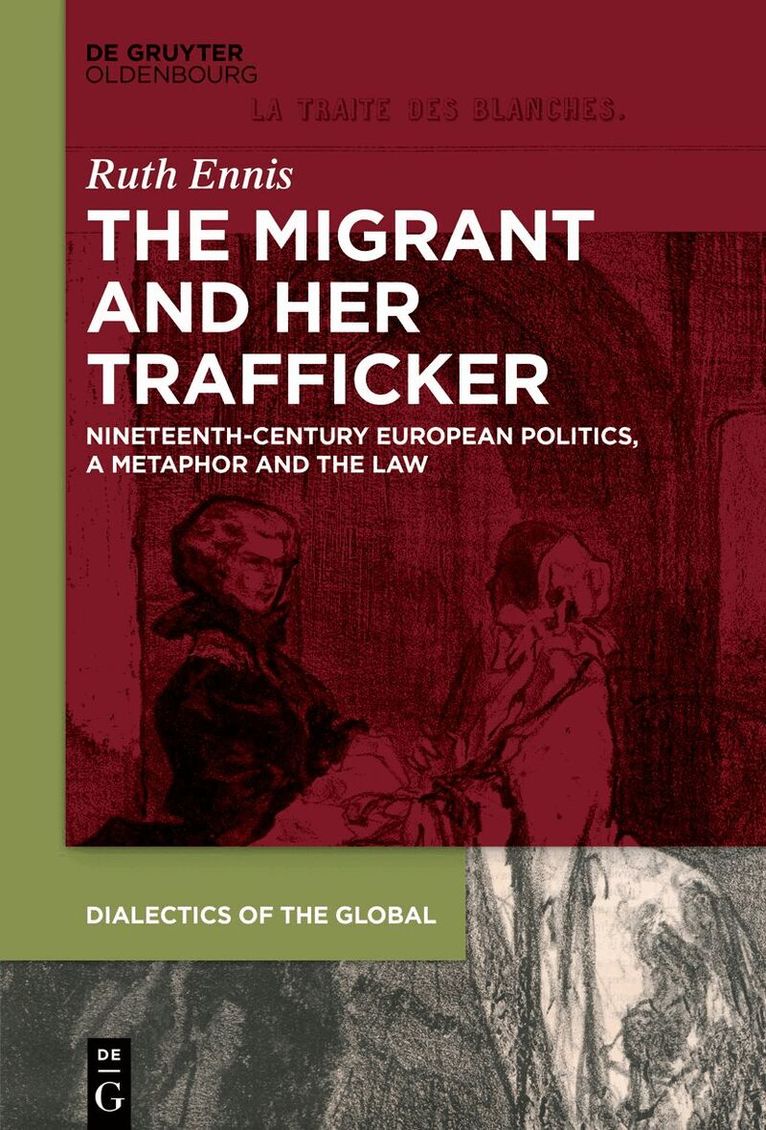
By the end of the nineteenth century, terms like "white slavery", "la traite des blanches" and "Mädchenhandel" had become linguistic equivalents to describe the (coerced) transnational migration of women and their subsequent sale of sex. This book explores the historical roots of this Eurocentric conceptualization, which since its development has fed into contemporary twenty-first-century understandings of "human trafficking, especially in women and children". In unpacking these origins, the books explores how populist narratives became entangled with state and organisational practices of categorising subalterns on the move. Contributing to the historiography, "white slavery" is shown to have been not only a component of a shifting legal dogma on mobility control and international police cooperation but also a political concern of women’s rights and moral reformist movements. Contrary to the sensationalized claims of the times, "white slavery" was not a phenomenon reflecting such exaggerations but rather was part of the historical development of state mechanisms to define the voluntary and coerced migration based on race and gender-based desirability.